
Vortex Diamondback HD 10×42 Review: The Do-Everything Binos That Just Work
A dependable mid-tier binocular for hunters and outdoor users who need one pair they can keep close, use often, and trust across mixed conditions.
 Matt Anderson
These are not the best binoculars you can buy. They are the ones you will actually use.
The Vortex Diamondback HD 10x42 have been in rotation for about three and a half years, with roughly 40 field days across Maine, New Hampshire, Montana, Idaho, and Massachusetts. They have been used for duck hunting, deer hunting, elk hunting, scouting, beach spotting, and everyday truck use. Better glass exists, but these have delivered enough clarity, low-light confidence, and day-to-day utility that there has not been a real reason to replace them.
What works. What doesn’t.
A clear look at where this gear earns its place and where the tradeoffs begin.
Pros
- Solid clarity for real field use Strong upgrade over cheap no-name binoculars Useful across woods, water, open country, scouting, and everyday use Comfortable in hand and not overly heavy Trusted after roughly three and a half years in rotation Good enough that premium upgrade pressure has not felt urgent
Tradeoffs
- Not as clear as premium binocularsNot as strong in low light as higher-end glassCan create more eye strain than premium options during long glassing sessionsMinor fogging has occurred in wet and snowy conditionsNot ideal for users who spend long days behind glass
The field story
The conditions, decisions, and repeated use behind the conclusion.
A 10x42 Binocular Built for a Little Bit of Everything
The Vortex Diamondback HD 10x42 sit in the middle ground between cheap no-name binoculars and premium glass. They offer enough magnification for open-country glassing while still being manageable in tighter environments like the Northeast woods. They entered the kit as a major step up from lower-quality binoculars and have stayed because they keep covering a wide range of real use without needing much thought.
They Keep Showing Up Because They Keep Working
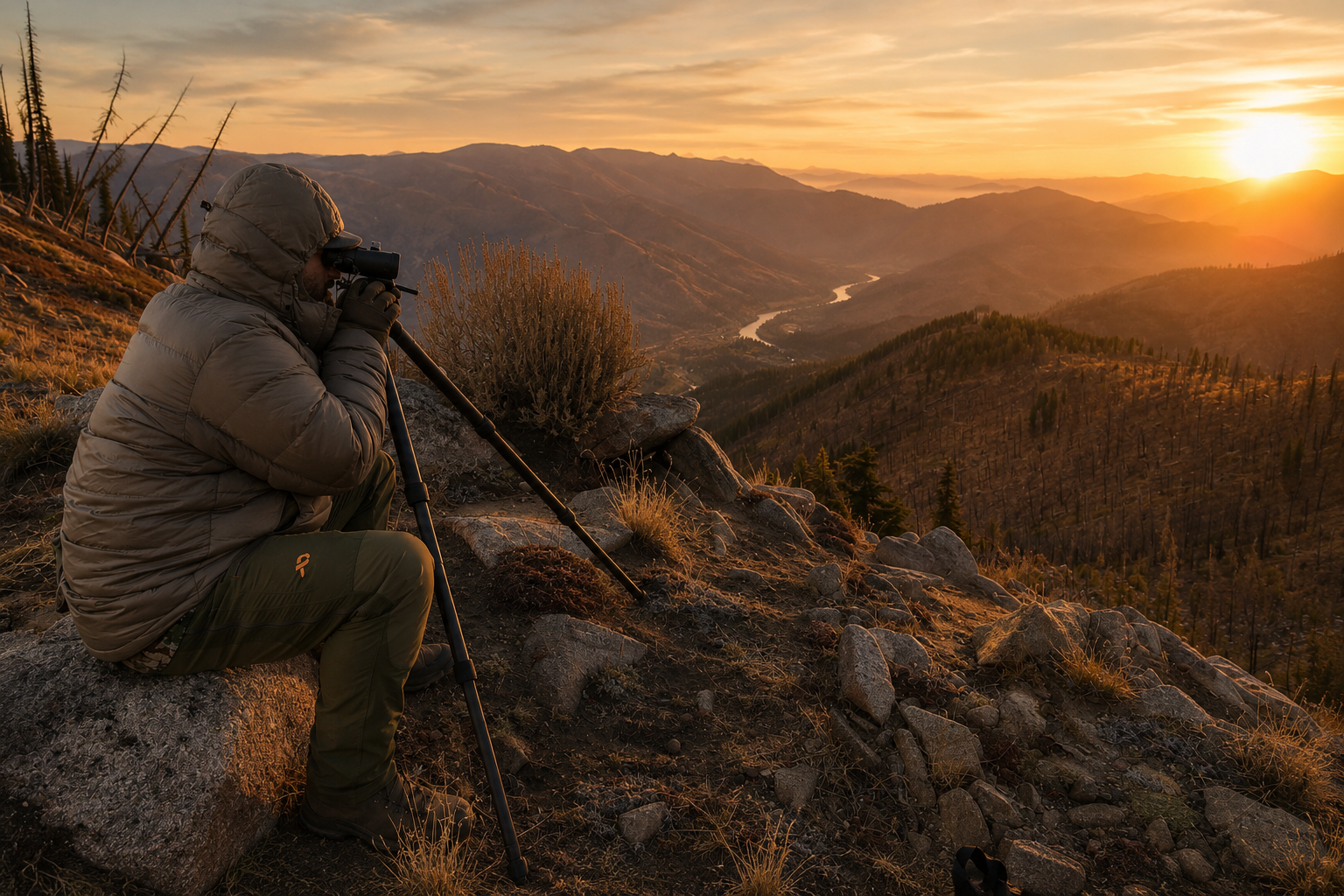
These are the binoculars that get grabbed when the day could turn into almost anything. They live in the truck, go to the beach, and come on every hunt because they are rarely out of place. After low-light duck hunts, western glassing, scouting days, and everyday use, they have earned trust by being consistent enough that replacing them has never felt necessary.
The alternatives and the tradeoff
The closest alternatives are the Nikon Monarch M5 10x42, Leupold BX-2 Alpine HD 10x42, and stepping up within Vortex to the Razor HD line.
I’d choose the Diamondback HD if I wanted one versatile pair of binoculars that could live in the truck, go on every hunt, and deliver solid performance without requiring a premium-glass budget. The Nikon and Leupold are both strong alternatives in a similar class and may come down to personal preference in ergonomics and image character.
If I were spending full days behind binoculars in big western country, I would look harder at something like the Razor HD or premium European glass. The gain in clarity, low-light performance, and reduced eye strain becomes more meaningful the longer you glass. For mixed use, the Diamondback still hits a very practical sweet spot.
Performance metrics
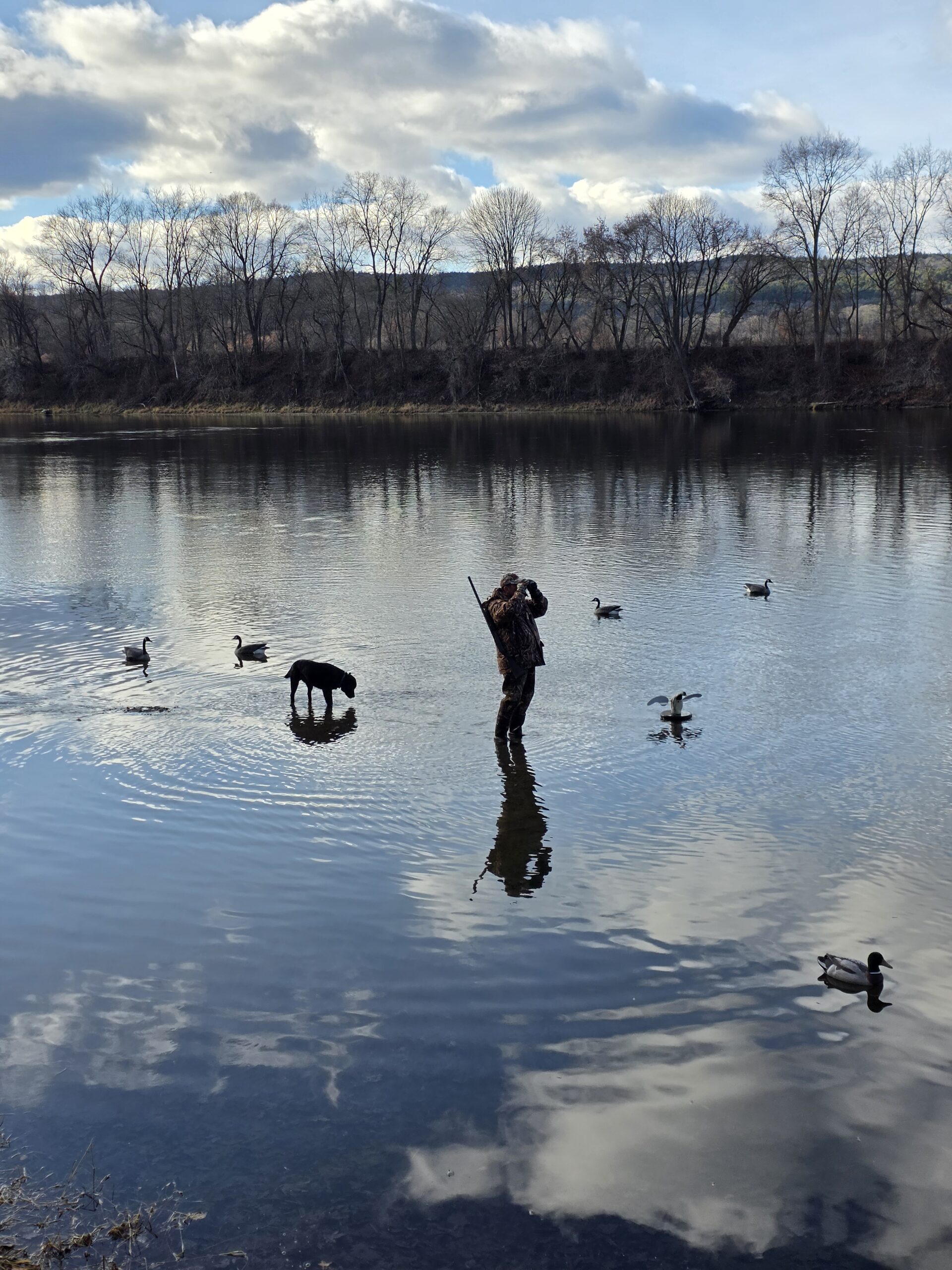
Proved useful during a fading-light duck hunt on the Connecticut River, where they picked up birds at distance when other binoculars in the group did not.
Used across Maine, New Hampshire, Montana, Idaho, and Massachusetts in woods, open country, waterfowl settings, scouting, and everyday observation.
Easy enough to keep in the truck, bring to the beach, and take on every hunt without needing to think twice.
Comfortable in hand, not overly heavy, and simple enough that the user is not constantly adjusting or fighting them.
Compared to premium glass, the difference is noticeable, but the author has not felt a real field-driven reason to upgrade.
Minor fogging has happened in wet and snowy conditions, but not consistently enough to identify a clear product failure from the narrative.
Key takeaways
Good Glass Changes What You Catch
The first real proof came in fading light on a duck hunt, when these were the only binoculars in the group picking up birds at distance.
One Pair Can Cover a Lot of Ground
These have worked across tight Northeast woods, western open country, scouting days, duck hunts, and casual truck use without feeling out of place.
Premium Is Better, But Not Always Necessary
Higher-end binoculars show a real difference in clarity and low-light performance, but that gap has not been limiting in actual use.
Trust Comes From Repeat Use
After roughly three and a half years in rotation, there has not been a strong reason to replace them.
The Best Gear Sometimes Disappears
These binoculars are easy to grab, easy to keep around, and simple enough that they spend more time being used than thought about.
Not the Best Glass, But the Pair That Keeps Going
The Vortex Diamondback HD 10x42 have stayed in the kit because they keep doing the job. They have been through low-light duck hunts, western glassing, Northeast woods, scouting trips, and everyday use without ever becoming the problem. Better glass exists, but for this level of use, these have been enough to trust.
FAQ
Are the Vortex Diamondback HD 10x42 good for hunting?
Yes, based on this experience, they have worked for deer, turkey, duck, and elk hunting across both Northeast woods and western open country.
Are they good in low light?
They have performed well enough in low light to earn trust, especially during a duck hunt where they picked up birds at distance as light was fading. The narrative also notes that higher-end glass can still perform better in low light.
Are they good enough for western glassing?
They have been used for western glassing in Montana and Idaho without feeling like a limiting factor. Someone spending long days glassing big country may still want premium optics.
How do they compare to cheap binoculars?
The jump from cheap no-name binoculars to these was described as massive. That is likely where most users will notice the biggest improvement.
How do they compare to Vortex Razors or Swarovski binoculars?
Higher-end binoculars like Vortex Razors and Swarovski show better clarity, better low-light performance, and less eye strain over long glassing sessions. The difference is real, but it has not justified an upgrade for this level of use.
Have they fogged up?
There have been minor fogging issues in wet and snowy conditions, but they were not consistent and did not clearly point to a failure of the binoculars.
KEEP EXPLORING