
First Lite Gear Review: A Field-Tested System Built Over Time
I didn't set out to build a kit around First Lite. It happened over time, piece by piece, across different seasons, conditions, and hunts.
 Matt Anderson
The best gear is not the piece you notice most—it is the piece that makes everything else work better.
 First Lite Corrugate Foundry Pant
 First Lite Kiln Hoodie
 First Lite 308 Pant
 First Lite Wick
 First Lite Origin Hoodie
 First Lite Suppressor Jacket
I didn’t set out to build a kit around First Lite. Like most people, I started with random pieces that got me through seasons—some Kryptek, some Cabela’s, whatever worked well enough at the time. Then one trip to Montana exposed every weak link at once.
Montana Exposed Every Weak Link
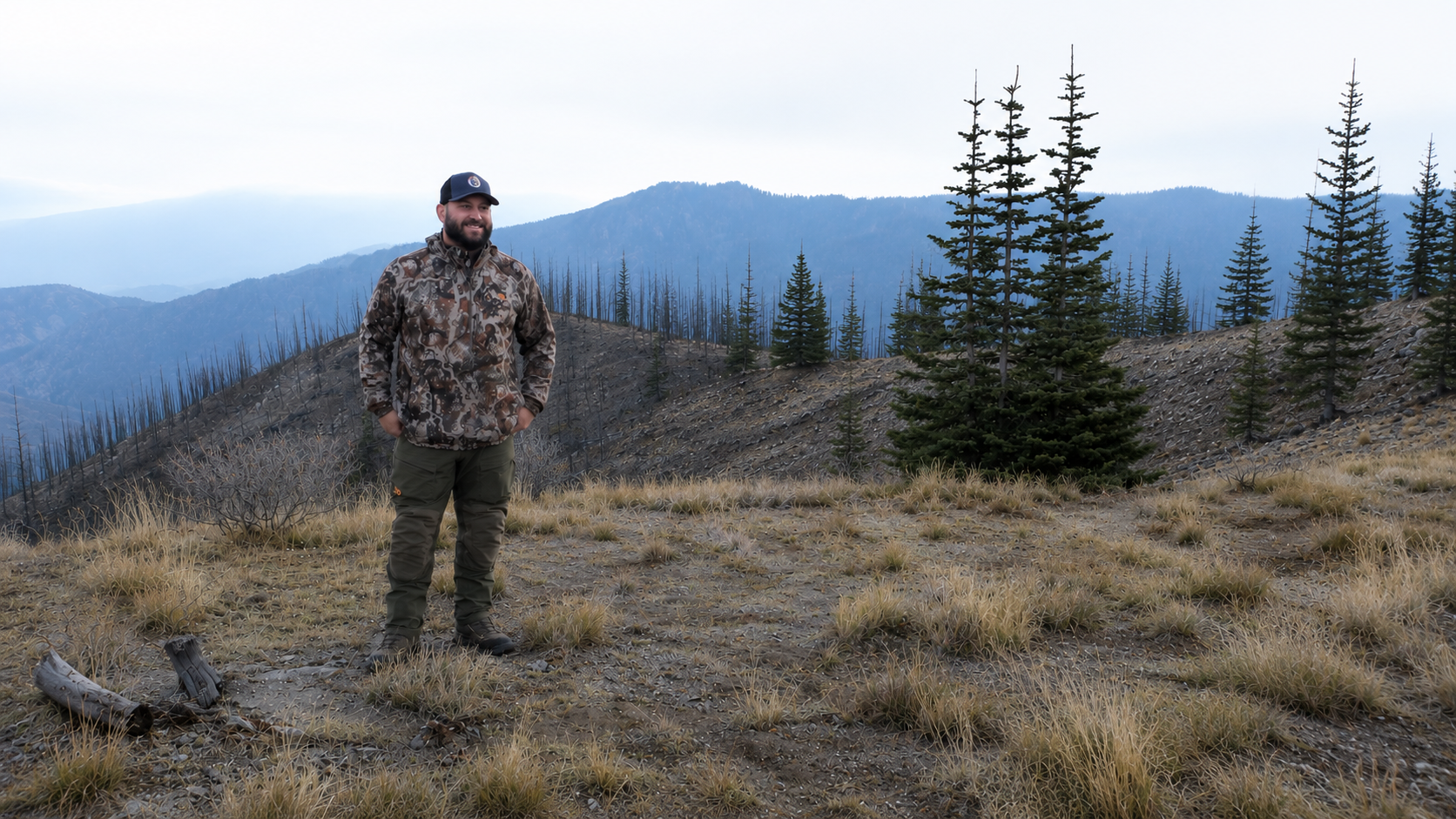
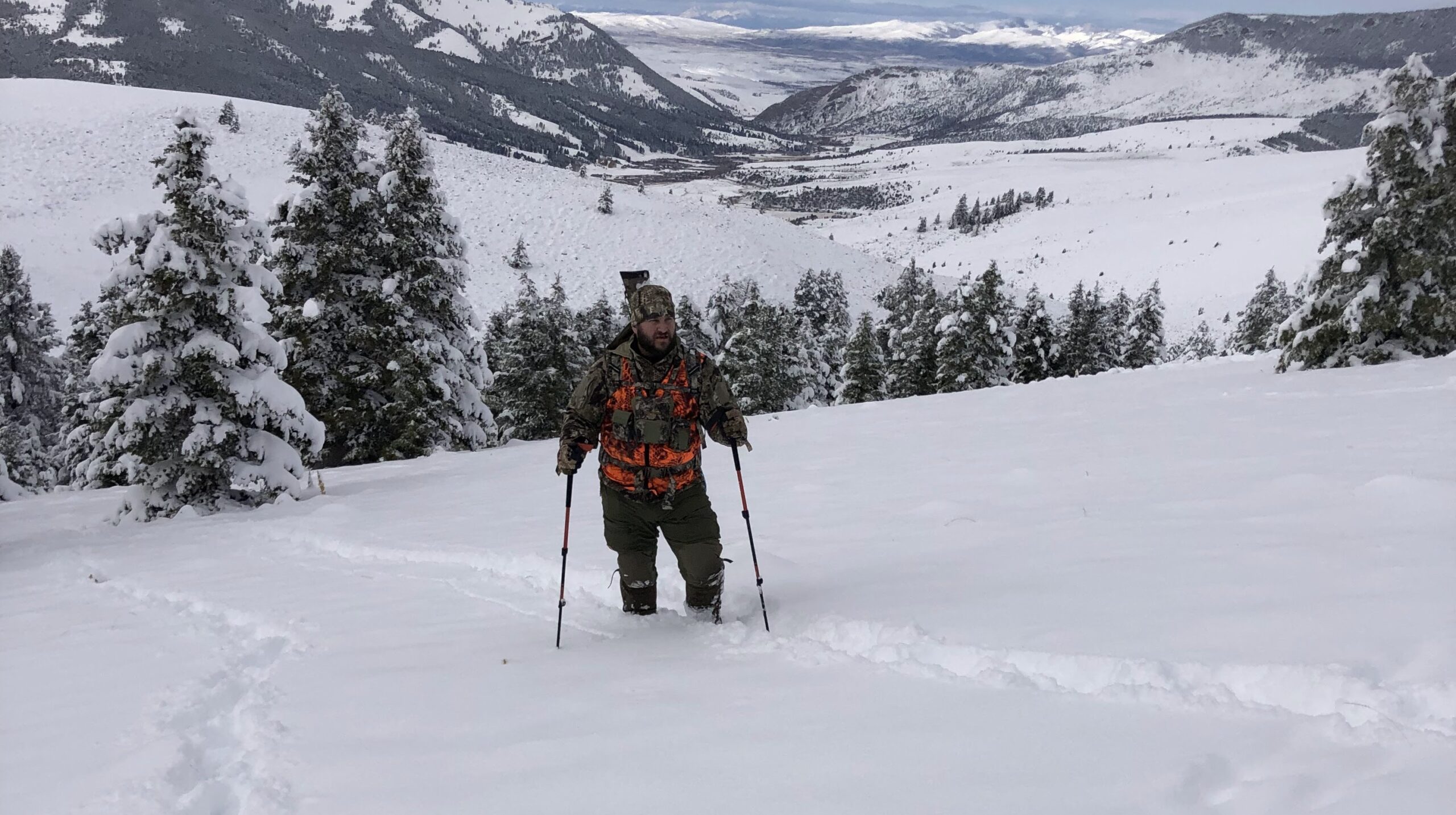
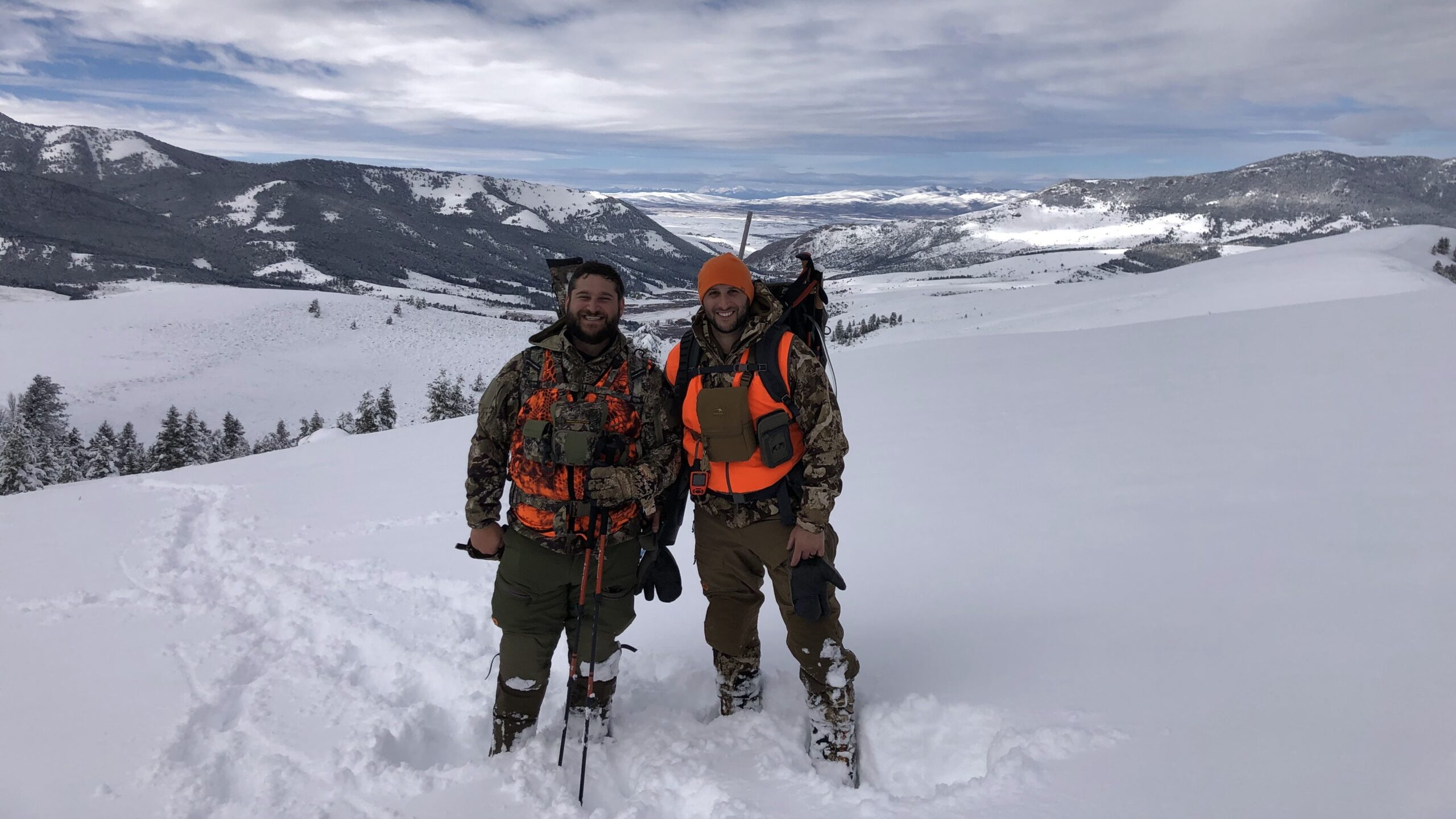
Montana skipped the gradual introduction. We landed in 60-degree weather and a few days later it was 10 degrees with fresh snow on the ground. The first piece I brought specifically for that trip was the Corrugate Foundry Pant, and it immediately proved itself. Other things—like a pair of gaiters I bought for the trip—failed fast. More importantly, it exposed that I had pieces of gear, but not a system.
The Base Layers Changed Everything
The biggest surprise had nothing to do with outerwear. It was merino. The Kiln base layers completely changed how I thought about temperature swings, and later the Wick base layers filled that same role during warmer weather and higher-output days. For the first time I stopped thinking about what I was wearing entirely. That sounds small until comfort disappears from your mental checklist.
That was when it stopped feeling like a collection of gear and started feeling like a system.
Gear Started Working Together Instead of Separately
Before that trip I kept buying individual pieces I liked. Some of them were good. None of them really connected. Once the Kiln pieces got dialed, layers like the Origin Hoody started making more sense because they had an actual foundation underneath them. Suddenly gear stopped feeling independent and started functioning together.
Pants Took Longer To Figure Out
Pants took more trial and error. The Corrugate Foundry Pant became my default when weather, terrain, and brush were variables. The 308 Pant became the comfort choice—the one I wore for travel, everyday use, and situations where I wasn't asking much from it. For early season, both the Obsidian Pant and Trace Pant found a role, even if the Trace eventually felt more specialized than essential.
Building a Kit Happened Piece by Piece
Nothing got replaced overnight. The Navigator Hoody is the newest addition and already feels like it could challenge the Origin for everyday use, while pieces like the Whitecloud Down Jacket stay packed for very specific situations. The Catalyst Jacket—and now potentially the Suppressor Jacket as its replacement—became cold-weather staples because they solved a problem I actually had. The kit built itself naturally because the pieces that worked kept earning another season.
Final Thoughts
I do not wear First Lite because I think it is the only option. Plenty of hunters still kill deer every year in blue jeans and flannel. I wear it because over time pieces like the Corrugates, Kiln, and Origin earned trust—and trust matters a lot when conditions start changing.
Gear becomes valuable the moment you stop thinking about it.
KEEP EXPLORING