
First Lite Kiln Hoody Review: A Base Layer That Actually Holds Up
A long-term merino hunting layer for mobile hunters who need to stay warm after sweating, stopping, and dealing with changing weather.
 Mike Ibrahim
The real test for a base layer is not how it feels when you first put it on. It is what happens after you push hard, soak it with sweat, and then stop in the cold.
The First Lite Kiln Hoody has been in the author’s kit for seven years and roughly fifty hunting days across Maine, Idaho, and Montana. Its strongest performance showed up during wet, high-output hunts where the author stopped moving and the layer stayed warm instead of turning cold. It is expensive and snug, with some cosmetic brush wear over time, but it has earned trust as a next-to-skin layer for mobile cold-weather hunting.
What works. What doesn’t.
A clear look at where this gear earns its place and where the tradeoffs begin.
Pros
- Stayed warm after being soaked with sweat
- Dried on-body after hard movement and a cold stop
- Strong odor control across multi-day use
- Worked across major temperature swings
- Thumb holes helped sleeves stay put while layering
- Close hood added warmth under a beanie
- No holes after seven years of use
Tradeoffs
- Expensive for a base layer
- Snug fit may not work for everyone
- Visible forearm abrasion from brush over time
- Cosmetic wear may matter to some users
The field story
The conditions, decisions, and repeated use behind the conclusion.
A Merino Base Layer Built for Moving Hunts
The First Lite Kiln Hoody is a merino base layer used as a true next-to-skin piece for active hunting in cold to variable conditions. This review is based on a size Large worn by a 5'10", 205 lb hunter with a 43-inch chest. The fit is athletic and snug, with thumb holes and a close-fitting hood that help it work cleanly under other layers.
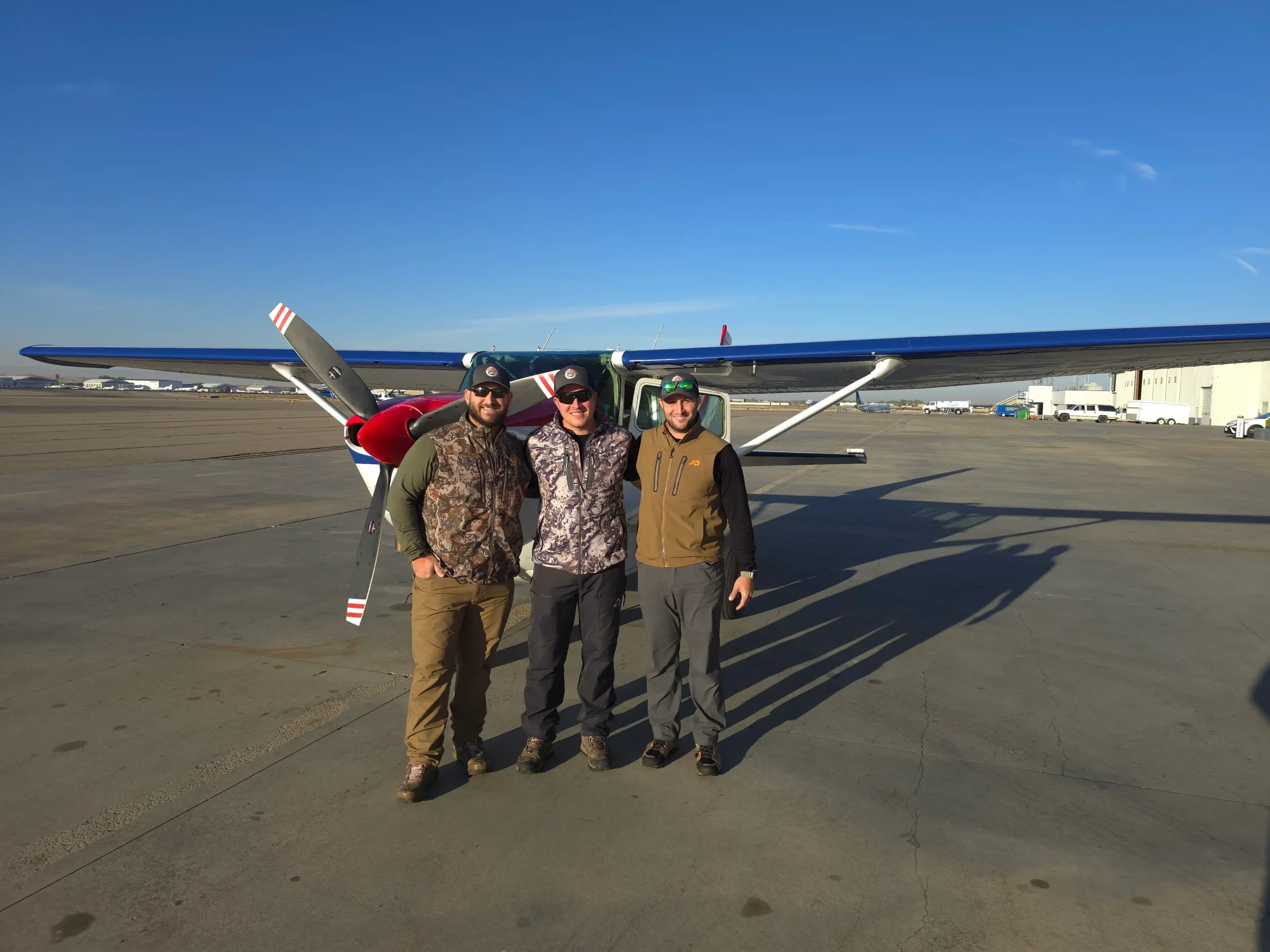
It Stays Because It Works When Sweat Turns Into Risk
The Kiln Hoody stays in the kit because it keeps the author warm when he is wet and moving. That is the moment that matters most in November hunting: climb hard, sweat through your layers, stop to glass or eat, and wait for the cold to catch up. With this layer, that failure point never became a problem. It held warmth while moisture worked out, dried on-body, controlled odor on longer hunts, and kept the rest of the system simple when conditions changed.
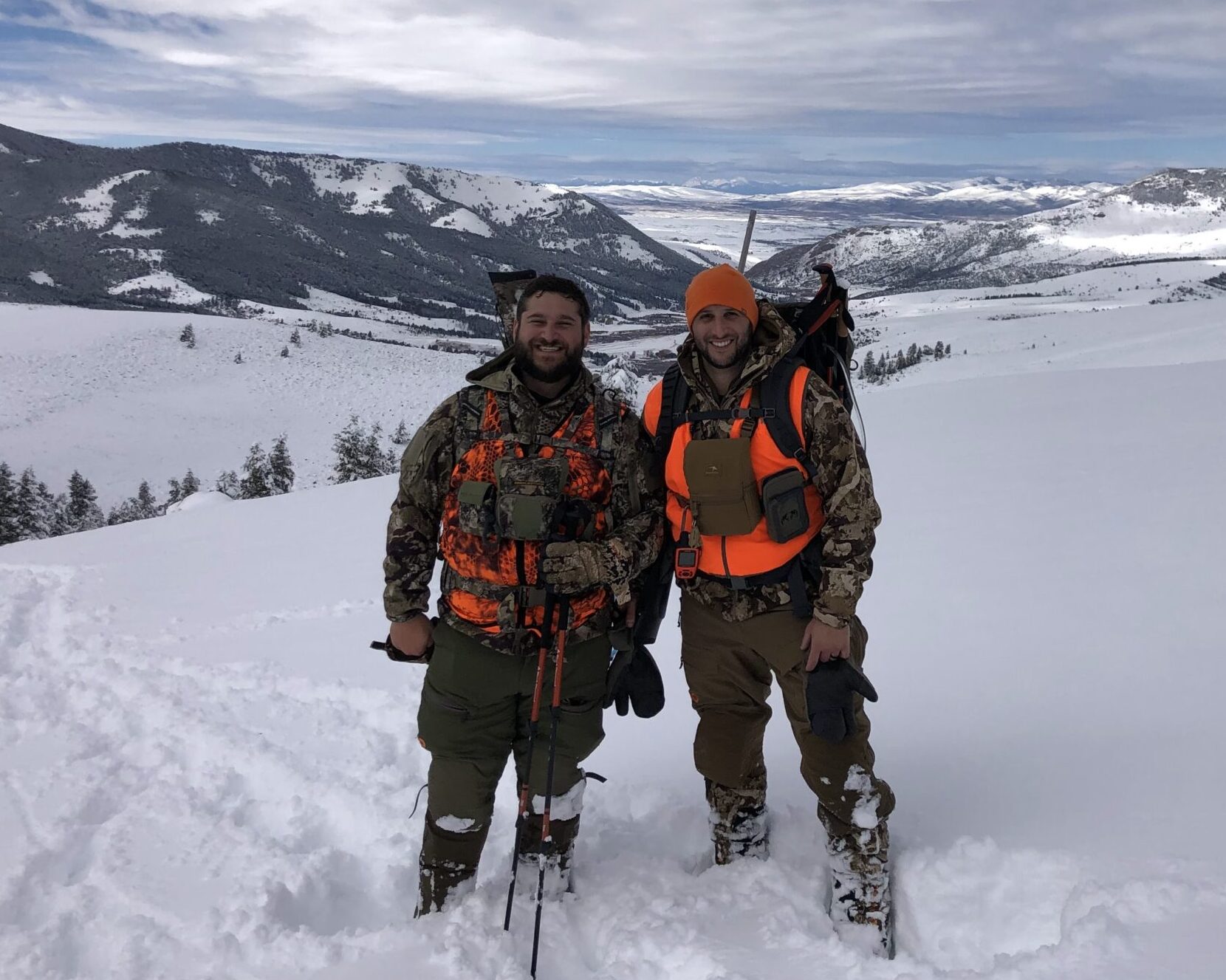
The alternatives and the tradeoff
The closest alternatives are merino or merino-blend hunting layers from Kuiu and Smartwool. Both make capable options, but over years of use, the Kiln has held up better for me in the areas that matter most: durability, shape retention, and long-term fit.
Compared with Smartwool, the Kiln has taken more abuse without developing holes. Compared with Kuiu layers I’ve used, it has done a better job of holding its shape instead of stretching out over time.
I would choose the Kiln when I want one base layer to handle hard movement, sweat, long stops, and multiple days without becoming a liability. If price is the bigger priority, Smartwool or a lighter Kuiu option may make more sense, especially for someone who does not need the same balance of warmth, odor control, and durability.
Performance metrics
The Kiln Hoody stayed warm after the author soaked it with sweat during hard movement, then stopped to eat and glass in the cold.
After a wet Maine climb, the layer dried out on-body within about an hour while worn under a puffy vest.
The hoody stayed on through days ranging from hard movement around 20°F to conditions that started near freezing and climbed into the mid 60s.
It was worn for six straight days in Idaho through rain and snow with only airing out when possible, and odor did not become a problem.
After seven years and roughly fifty hunting days, the hoody had no holes, though forearm abrasion from brush was visible.
Key takeaways
Warmth After Sweat Is the Real Test
The Kiln stood out when the author stopped after hard climbs. It stayed warm while moisture worked out instead of turning cold against the body.
Built for Variable Days
It handled days that started near freezing and climbed into the 60s without forcing a full system change. Insulation came on and off, but the base layer stayed on.
Odor Control Matters on Long Hunts
On a six-day Idaho hunt through rain and snow, the hoody only needed airing out when possible. That consistency matters when clean layers are not an option.
Snug Fit Helps the System Work
The athletic fit, thumb holes, and close hood helped it layer cleanly under insulation and a beanie without bunching or becoming a distraction.
Brush Wear Shows Over Time
After seven years, there were no holes, but there was visible forearm abrasion from thick cover. It was cosmetic, not a field failure.
The Layer That Proved Itself After the Climb
The Kiln Hoody earned its place because it handled the hardest part of cold-weather movement: getting soaked, stopping, and not falling apart when the cold catches up. After seven years and around fifty hunting days, it has proven itself as the next-to-skin layer the author trusts when the day involves sweat, weather, and long pauses.
FAQ
Is the First Lite Kiln Hoody a first-impression review?
No. This review is based on seven years of use and around fifty hunting days across Maine, Idaho, and Montana.
What conditions was the Kiln Hoody used in?
It was used in Maine November tracking, multi-day Idaho wilderness hunting with rain and snow, and Montana elk hunting with large temperature swings.
Does the Kiln Hoody stay warm when wet?
Based on the author’s experience, yes. After hard climbs that soaked the layer with sweat, it stayed warm during stops while moisture worked out.
How does it handle odor on multi-day hunts?
Odor control was a standout. On one Idaho hunt, it was worn for six straight days through rain and snow with only airing out when possible.
How does the fit run?
The fit is athletic and snug. That helped with layering, but it may not suit someone who prefers a looser base layer.
How durable has it been?
After seven years there were no holes, but there was visible cosmetic abrasion on the forearms from pushing through thick brush.
How does it compare to Smartwool base layers?
The author found the Kiln more durable over time than Smartwool base layers, which did not hold up the same way in this use.
KEEP EXPLORING