
Eberlestock Recon Bino Harness
A modular bino harness for hunters who need critical gear immediately accessible and want less friction during long days in the field.
 Matt Anderson
For me, it stopped being a bino harness and became one of the central pieces of my hunting system.
The Eberlestock Recon started as an upgrade from a basic Vortex bino harness, but it became much more than binocular storage. With added pouches, ballistic cards, spare rounds, and a chest-mounted 10mm Glock, the author turned it into a command center for western hunting and predator-country preparedness. The biggest tradeoff was weight, but the confidence and access it created made the Recon one of the central pieces of his hunting system.
What works. What doesn’t.
A clear look at where this gear earns its place and where the tradeoffs begin.
Pros
- Chest-facing magnetic closure felt secure and refined
- Modular design allowed the author to build a complete access system
- Rangefinder, ballistic cards, spare rounds, and pistol stayed immediately available
- Reduced the need to dig into a pack during long hunts
- Silent magnetic closure mattered in real field use
- Build quality felt outstanding to the author
- Helped the author feel more prepared and hunt with less friction
Tradeoffs
- Can become heavy as accessories and tools are added
- More system than needed for someone who only carries binoculars
- Modularity can encourage adding more gear than a basic harness requires
- Overall weight depends heavily on how the user builds it out
The field story
The conditions, decisions, and repeated use behind the conclusion.
From Basic Harness to Field System
The author bought the Eberlestock Recon after using the basic Vortex harness that came with his binoculars. The Vortex worked, but it left room for improvement. The first thing that stood out on the Recon was the magnetic closure, which closed toward the chest and felt more secure than an external loop system.
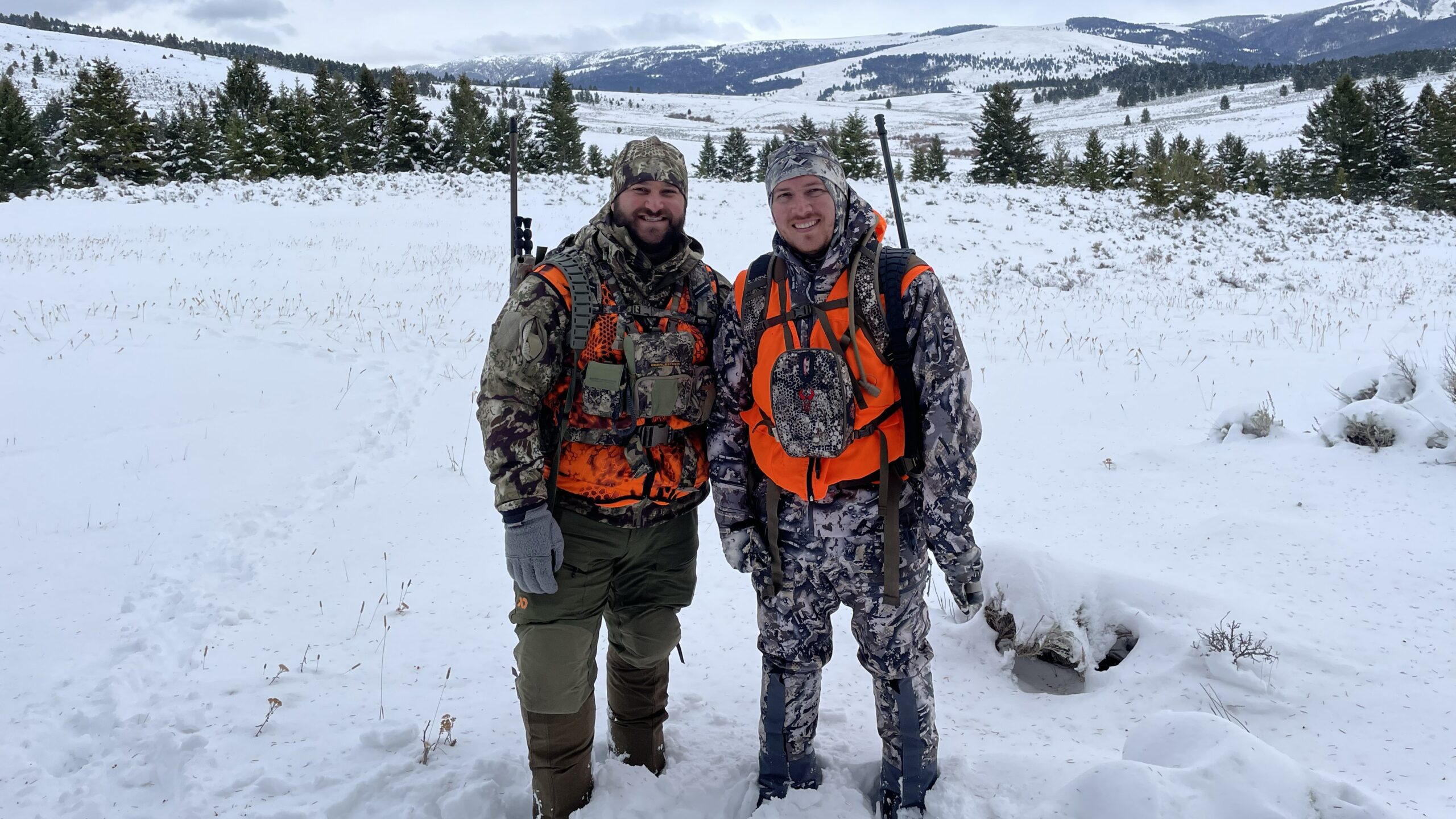
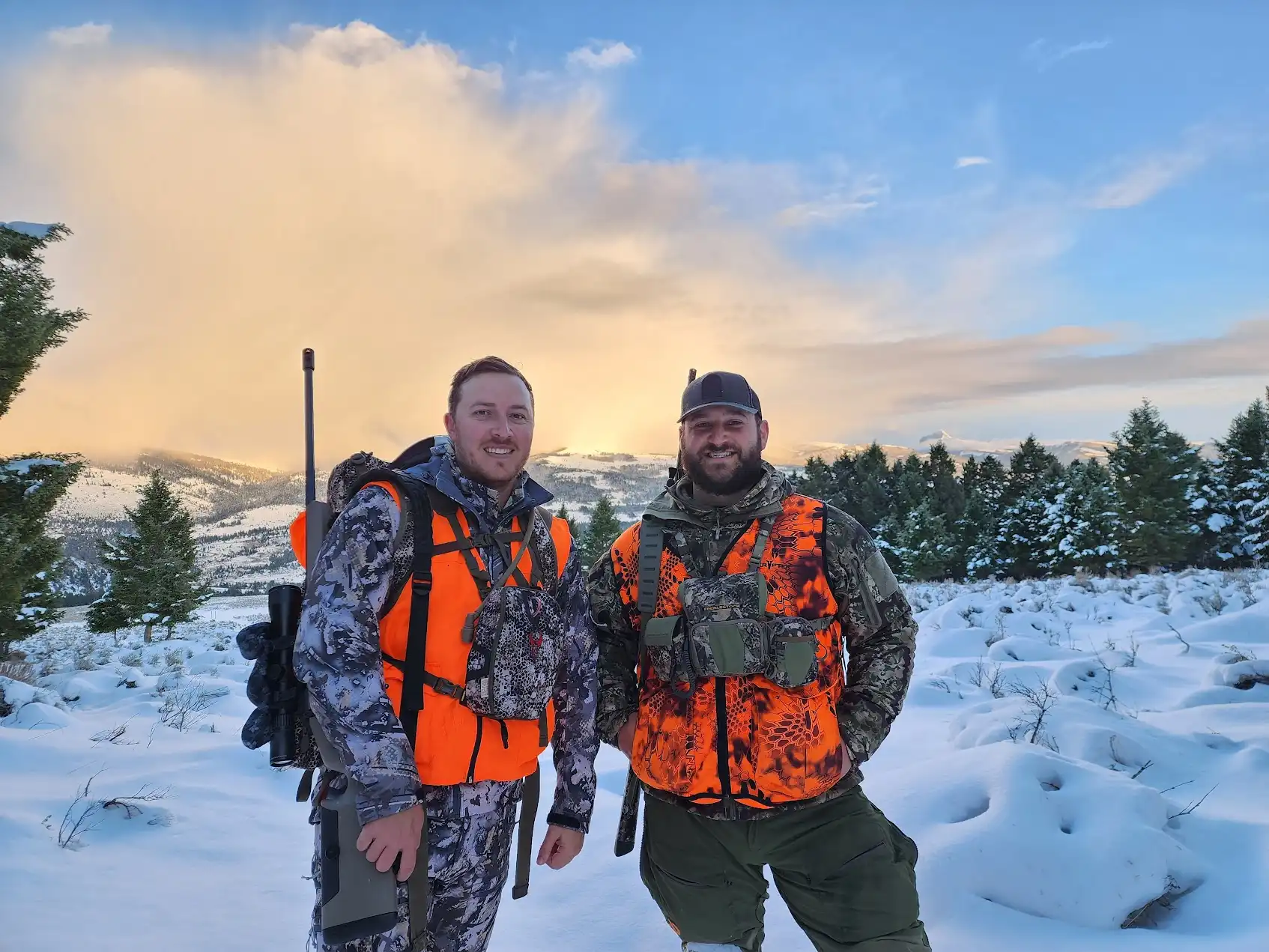
What separated it was the modularity. The author added a rangefinder pouch on the right side, a catch-all pouch on the left, and a holster attachment underneath the bino compartment. That changed the Recon from a place to carry binoculars into a place to keep the tools he needed most often within reach.
Because It Removes the Moments That Slow a Hunt Down
The Recon stays in the kit because it reduces the small delays that add up in the field. The author did not have to dig for a rangefinder, search for ballistic cards, reach into a pocket for spare rounds, or remove his pack to access the gear he used most often. Everything lived in one place.
That changed the way he hunted. In Montana, between the Recon and a hydration bladder, he could go hours and miles without opening his pack. He glassed more, ranged more, checked his dope more, and stayed more focused on hunting than on managing gear. For this author, that is the real value of the Recon: not just what it carries, but how much friction it removes.
The alternatives and the tradeoff
The closest alternatives are the Marsupial Gear Enclosed Bino Pack, FHF Gear Pro-M Bino Harness, and Kuiu Pro Bino Harness.
I’d choose the Recon if modularity and immediate access to multiple pieces of critical gear are the priority. Its strength is how easily it turns into a full chest-mounted system instead of staying a simple binocular carrier.
The Marsupial is a strong alternative if you want excellent bino protection and a cleaner, more streamlined setup. FHF makes sense if you want modularity with a slightly more minimalist feel, while the Kuiu is a good fit for hunters who want a lighter, simpler harness.
If all you need to carry is binoculars, the Recon is probably more system than you need. If you want your chest rig to organize rangefinding, ballistics, spare ammo, and defensive gear in one place, that is where it stands out.
Performance metrics
The Recon kept binoculars, rangefinder, ballistics cards, spare rounds, and a sidearm accessible without digging into pockets or removing a pack.
The magnetic closure on both the bino compartment and rangefinder pouch was completely silent in the author's field use.
The author added a rangefinder pouch, catch-all pouch, holster attachment, ballistic cards, spare rounds, and a pistol, turning the harness into a larger hunting system.
The author described the build quality as outstanding, consistent with his experience using other Eberlestock products.
Between the Recon and a hydration bladder, the author could go hours and miles in Montana without needing to get into his pack.
The main downside was weight, but the author attributed that to the accessories and gear he added rather than a flaw in the harness itself.
Key takeaways
Access Changes Behavior
The Recon made the author glass more, range more, and check dope more often because the tools were always available.
Preparedness Belongs Within Reach
In Montana and Idaho predator country, the 10mm Glock was carried as a preparedness tool, not an accessory.
Dope Cards Need to Be Fast
Keeping laminated ballistic cards in the catch-all pouch gave the author quick access to holds and adjustments without digging through a pack.
Silent Details Matter
The magnetic closure on the bino compartment and rangefinder pouch was completely silent, which mattered more in the field than it would on a spec sheet.
Modular Systems Come With Weight
The Recon made it easy to add capability, but every added pouch, round, and tool turned a simple harness into a heavier system.
It Became the Gear I Stopped Digging Around For
The Recon earned its place because it changed the author's rhythm in the field. With the right tools on his chest instead of buried in a pack, he glassed more, ranged more, checked his dope more, and spent less time managing gear. That kind of confidence does not come from carrying more stuff. It comes from having the right things where they need to be.
FAQ
What did the Eberlestock Recon replace?
It replaced the basic Vortex harness that came with the author's binoculars.
Why did the Recon stand out at first?
The chest-facing magnetic closure felt more secure and refined than the external loop system the author had used before.
What did the author carry on the Recon?
The setup included binoculars, a rangefinder pouch, a catch-all pouch with laminated ballistic cards and three extra rounds, plus a holster attachment carrying a 10mm Glock.
Why did the author carry a 10mm Glock on the harness?
The pistol was carried as a preparedness tool while hunting in Montana and Idaho, where grizzly bears, wolves, and mountain lions were part of the risk context.
Did the Recon change how the author hunted?
Yes. The author glassed more, ranged more, checked dope more, felt more prepared, and spent less time managing gear.
Was the Recon quiet in the field?
Yes. The author said the magnetic closure on both the bino compartment and rangefinder pouch was completely silent.
What was the biggest downside?
Weight was the biggest downside, but the author felt the weight came from the accessories and gear he added rather than the harness itself.
Who does not need the Recon?
Hunters who only want to carry binoculars probably do not need something this modular.
KEEP EXPLORING