
Field Tested – Crispi Guide GTX Boot Review
A waterproof mountain boot for western hunters and hikers who need long-mile comfort, weather protection, and support in cold to variable terrain.
 Matt Anderson
If I were heading back to Montana tomorrow, these would be the first boots I’d grab.
The Crispi Guide GTX entered the author’s kit for a western hunt and proved itself during a Montana trip that turned into deep snow, sleet, wind, and long daily mileage. The boots kept his feet dry, warm, and free of hot spots while becoming the most comfortable footwear he owns. Later use in Idaho showed they are not the right boot for every scenario, especially hot weather or extremely steep technical terrain, but they remain his first choice for the conditions they were built to handle.
What works. What doesn’t.
A clear look at where this gear earns its place and where the tradeoffs begin.
Pros
- Kept feet dry through snow, sleet, and wet ground
- Stayed comfortable over long mountain days
- Zero hot spots during the Montana hunt
- Supportive once lacing was dialed
- Held up well after multiple seasons and trips
- Strong fit for cold, wet, variable western conditions
Tradeoffs
- Can run warm in conditions near 70°F
- Not ideal for extremely steep, technical terrain requiring maximum stiffness
- Lacing can loosen if not tied correctly
- Not a one-boot solution for every hunt
The field story
The conditions, decisions, and repeated use behind the conclusion.
Bought for a Hunt That Could Expose Weak Boots
The Crispi Guide GTX came into the kit for a western hunt that was expected to demand long miles, rough terrain, and unpredictable weather. Before Montana, the author had only worn them around home near Boston and on a few local hikes, which was not enough to truly pressure-test a mountain boot. That changed fast once mild weather turned into sleet, snow, wind, cold, and deep snow underfoot.
They Keep Earning Confidence
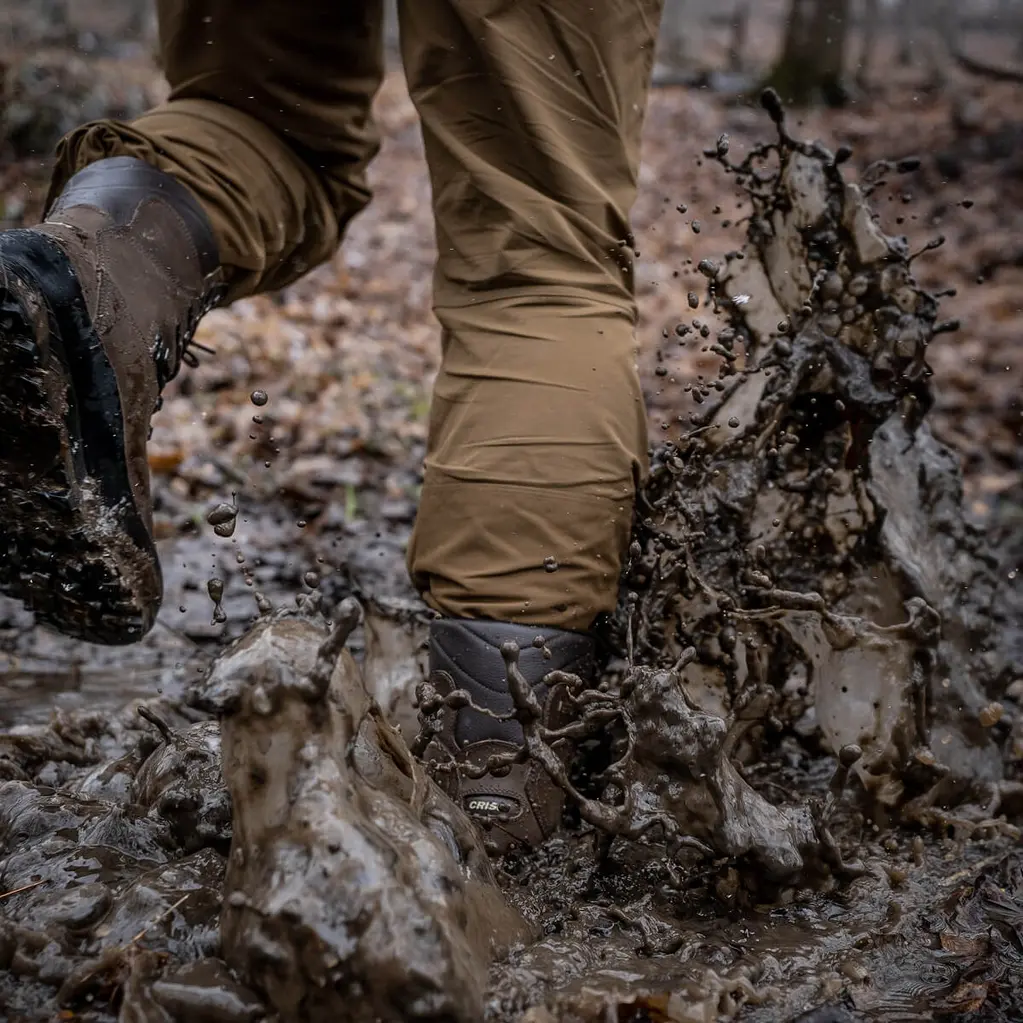
These boots stay in the rotation because they have already answered the important questions. They kept the author dry in bad weather, comfortable over long mileage, and supported through multiple seasons and states. They are not perfect for every hunt, but when the day calls for cold weather, wet ground, and real mountain miles, they have earned trust.
The alternatives and the tradeoff
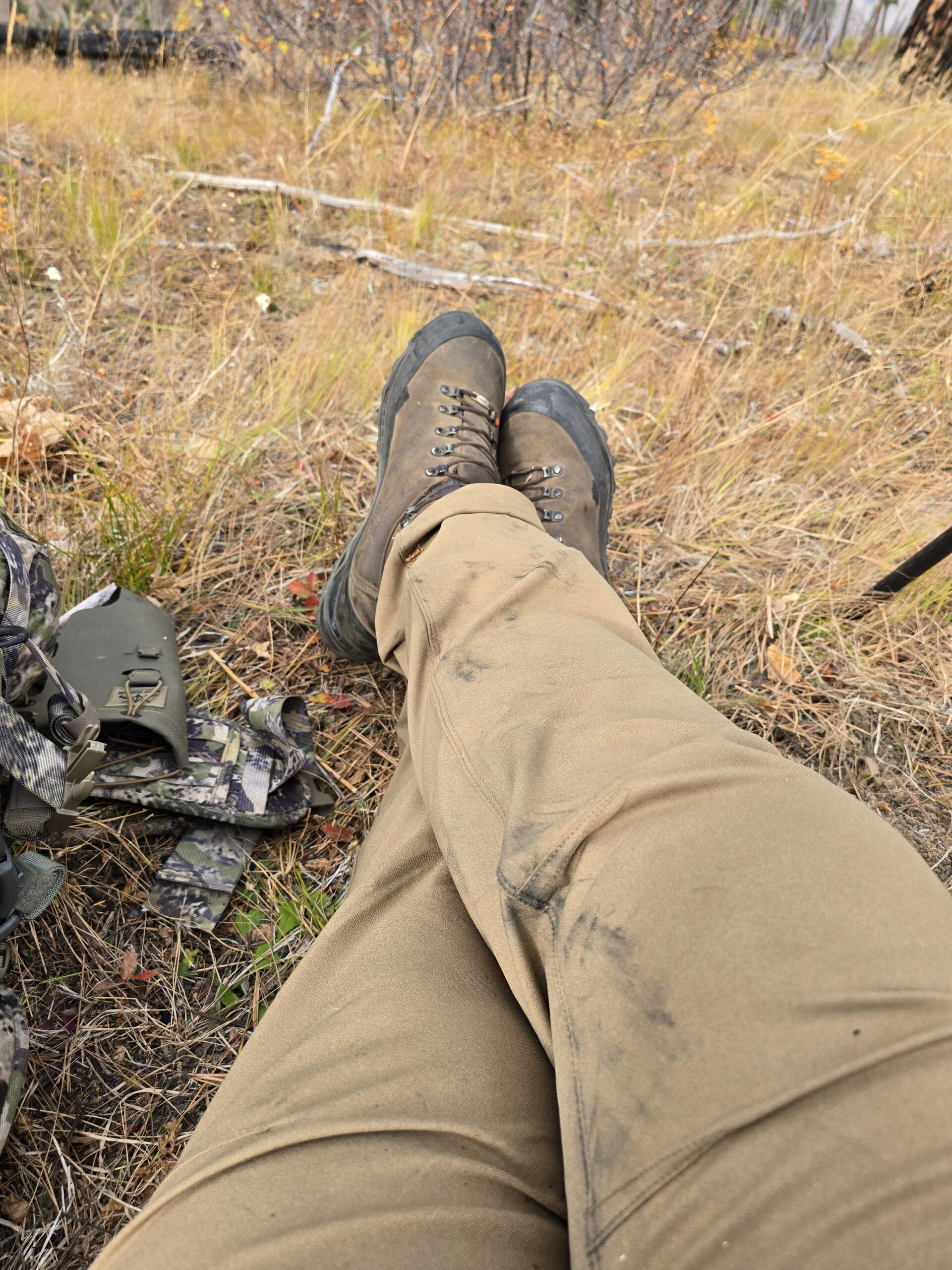
The closest alternatives to the Crispi Guide GTX are boots like the Schnee’s Beartooth 0g and Kenetrek Mountain Extreme Non-Insulated. Both are built for the same kind of western hunting where ankle support, waterproofing, durability, and stability under load matter more than shaving ounces. Schnee’s Beartooth uses a supportive Flex-2 chassis and uninsulated leather construction, while Kenetrek’s Mountain Extreme is intentionally stiff and built around rough, demanding terrain.
I’d choose the Guide GTX when comfort over long mileage and all-around mountain versatility are the priority. If I knew the hunt involved exceptionally steep, technical terrain, I’d lean toward something stiffer like the Kenetrek, or even step into a true hybrid mountaineering boot such as the Scarpa Zodiac Tech GTX. That boot is specifically designed to bridge hiking and mountaineering and is semi-automatic crampon compatible, which is a different level of specialization.
Performance metrics
In Montana, the boots kept the author’s feet dry through sleet, snow, wet ground, and sustained exposure over multiple days.
The author wore them for 6–9 miles per day in steep snowy terrain without hot spots, and described them as the most comfortable boots he owns.
After multiple seasons and trips, the stitching, leather, and structure remained solid, and the boots still felt supportive and confidence-inspiring.
If not tied correctly, the boots could loosen over time, especially after about an hour of hiking. Once the author adjusted his lacing, the issue largely disappeared.
The boots performed well in Montana-style snow, cold, and long mileage, but Idaho’s steeper, more technical terrain made it clear that a stiffer mountaineering boot may be better in certain country.
Key takeaways
Comfort Became the Standout
The biggest surprise was not just that the boots handled the terrain. It was that they became the most comfortable footwear the author owned, even after long days in the mountains.
Waterproofing Earned Trust Fast
Through snow, sleet, wet ground, and sustained exposure in Montana, the boots kept the author’s feet dry when moisture would have ended the day for lesser footwear.
Terrain Still Decides the Tool
Idaho showed the limit. In extremely steep, technical country, a stiffer mountaineering boot may be the better match.
Lacing Matters More Than Expected
When the boots were not tied correctly, they could loosen after an hour or so and lose some ankle stability. Once the lacing was dialed, that issue mostly disappeared.
The Boot That Earned the Montana Test
The Crispi Guide GTX earned trust the hard way: in snow, sleet, cold, steep country, and long days where bad boots would have made themselves known fast. It is not the answer for every hunt, but when the conditions match what it was built for, it is the boot the author would reach for first.
FAQ
Are the Crispi Guide GTX boots waterproof?
In the author’s field use, yes. During a Montana hunt with sleet, snow, wet ground, and sustained exposure, his feet stayed dry the entire time.
Are they comfortable for long days in the mountains?
Yes. The author wore them for 6–9 miles per day in steep snowy terrain and reported dry feet, warm feet, and zero hot spots.
Do they work well in snow?
Yes, based on the Montana hunt. Paired with gaiters, they handled deep snow and bad weather without moisture becoming an issue.
Are they good for hot-weather hunts?
Not ideally. In Idaho, with temperatures climbing close to 70°F, the author noticed his feet running warm.
Are they stiff enough for extremely steep terrain?
Not always. In very steep, aggressive Idaho terrain, outfitters noted that many guides prefer true mountaineering boots, and the author recognized that a stiffer boot may be better there.
What was the main issue with the boots?
Lacing. If they were not tied correctly, they could loosen during hiking and reduce ankle stability. Once the author dialed in the lacing, the issue mostly went away.
Who should consider these boots?
Western hunters, backpackers, and mountain hikers who need waterproof support, long-mile comfort, and confidence in cold to variable weather.
KEEP EXPLORING