Most base layers feel great until you actually need them.
You climb, you sweat through it, then you stop. That is when things fall apart. The cold hits fast, and whatever was supposed to keep you warm suddenly is not doing its job.
That is the situation this piece is built for.
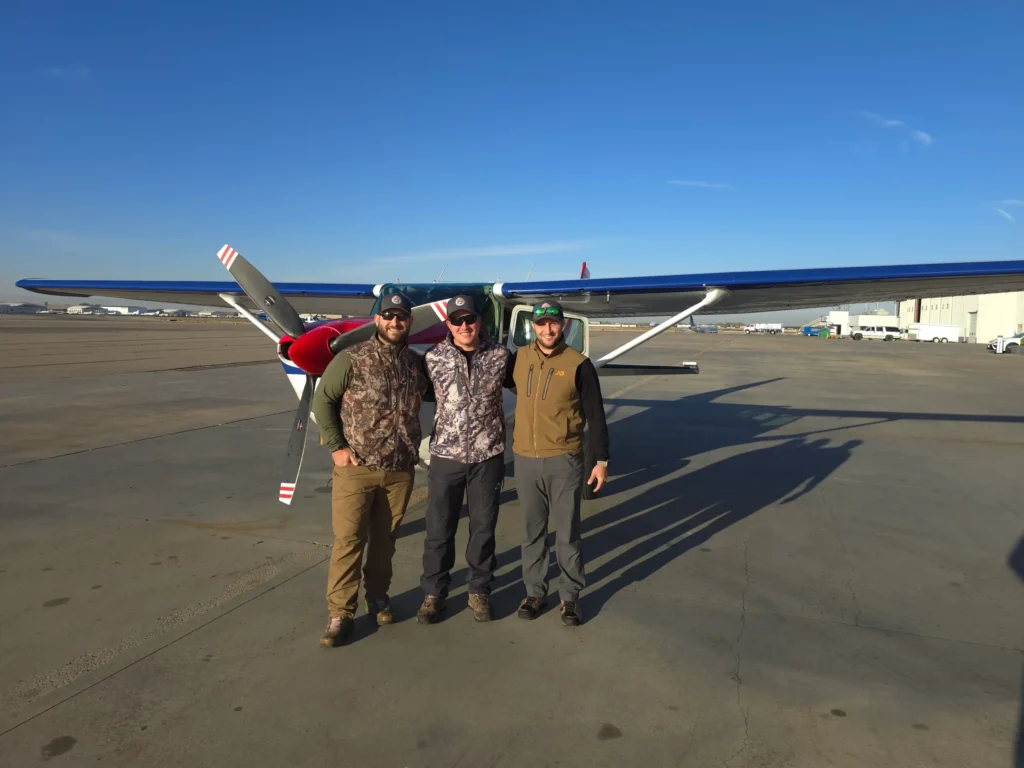
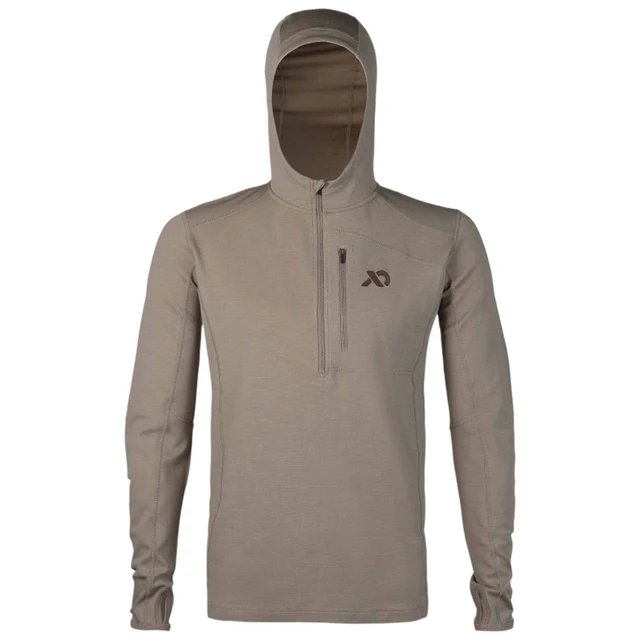
The First Lite Kiln Hoody has been in rotation for seven years and around fifty hunting days across Maine, Idaho, and Montana. This is not a first impression. It is what held up over time.
The Basics
This is a merino base layer designed for active hunting in cold to variable conditions.
This review is based on a size Large worn by a 5’10”, 205 lb hunter with a 43-inch chest. The fit is athletic and snug. It includes thumb holes and a close-fitting hood.
Price paid was about $130.
Why It Stays in the Kit
This hoody earns its place for one reason. It keeps you warm when you are wet and moving.
November hunts are rarely clean, dry cold. You climb hard, you sweat, then you stop to glass or eat and the temperature catches up with you. That transition is where most base layers fail.
This one does not.
It holds warmth on your body while moisture is working its way out instead of trapping it and turning cold.
This is not just about comfort. It is about staying functional when conditions turn.
That same pattern shows up outside of hunting too. People head out underprepared, sweat through their layers, then get caught when they stop moving. It is the same cycle behind a lot of the rescues in the White Mountains.
If you have read This Doesn’t Need to Keep Happening, this is part of that same conversation. Your system matters, and your base layer is where it starts.
Where It Has Been Used
This is not a weekend test piece. It has been used in real conditions over multiple seasons.
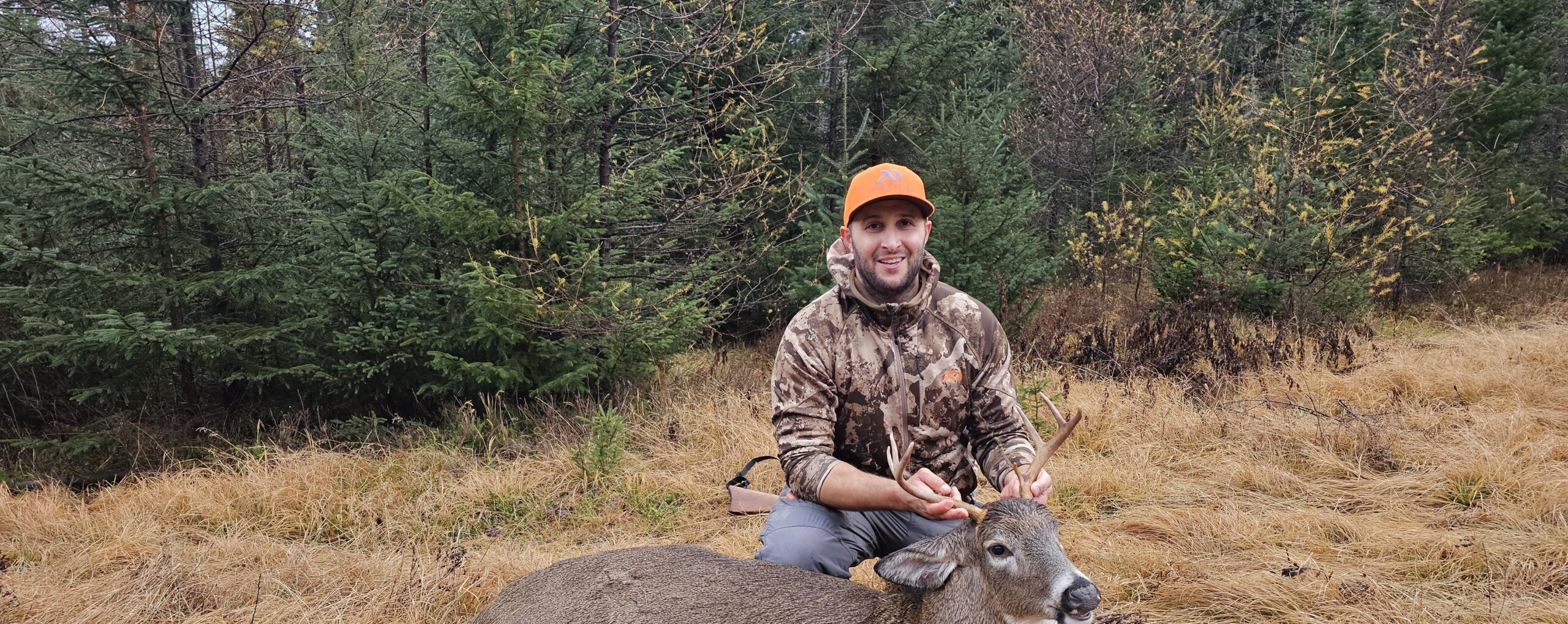
Maine big woods tracking in November, including long climbs and all-day movement.
Multi-day hunting in the Frank Church Wilderness in Idaho with rain and snow mixed in.
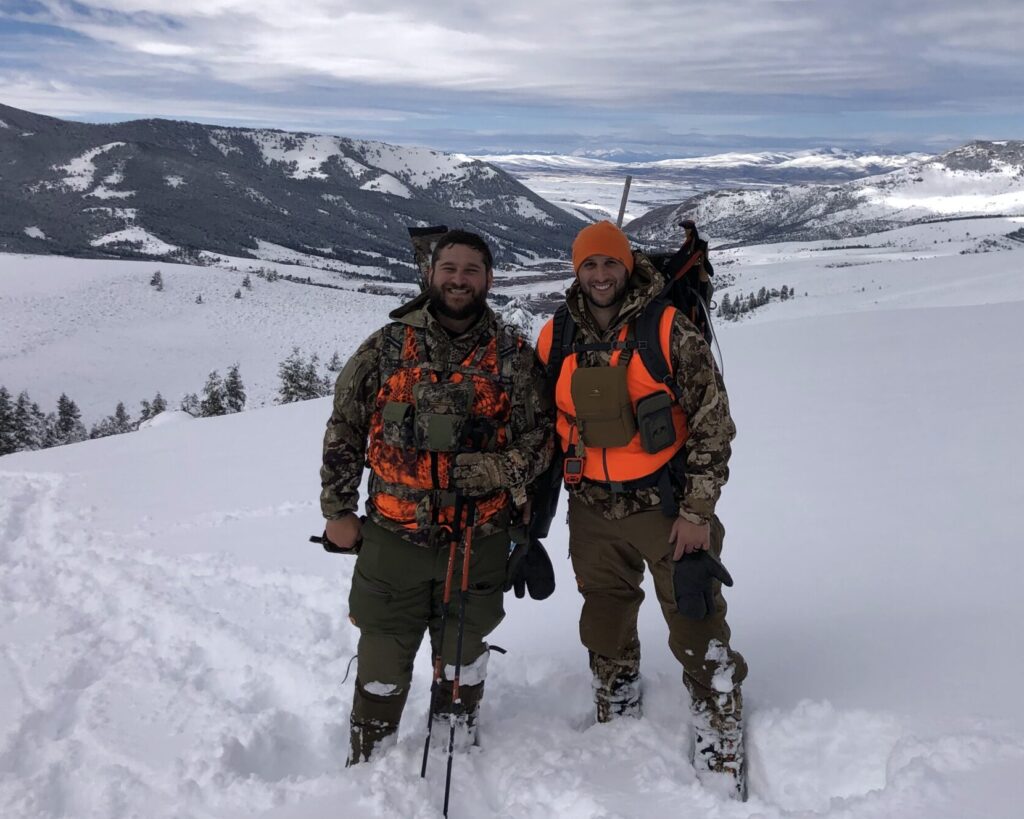
Montana elk hunting with big temperature swings.
Conditions ranged from around 20°F during hard movement to days that started near freezing and climbed into the 60s. It was worn as a true next-to-skin layer with insulation added and removed as needed.
What It Does Well
The best way to understand this piece is through real use.
On one Maine hunt, there was a long climb tracking whitetails that lasted about two hours. By the time it was over, everything was soaked. Shirt, back, sleeves. No avoiding it.
After stopping to eat and glass, a puffy vest went on over the Kiln Hoody. That is usually where things go wrong. Sweat cools off and you start to feel it.
That never happened here.
It stayed warm, and within about an hour the base layer had dried out on-body.
That pattern has repeated itself across multiple hunts. It handles the transition from movement to stillness without forcing you to change layers or fight the cold.
It also deals well with big temperature swings. On a day that started around 30°F and climbed into the mid 60s, the system stayed simple. The Kiln stayed on all day. Insulation came off and went into the pack as needed, but the base layer never became a problem.
Odor control is another standout. It is simple to say but hard to overstate. It does not stink.
On one Idaho hunt it was worn for six straight days through rain and snow. The only management was airing it out when possible. That kind of consistency matters on longer trips where you are not cycling through clean gear.
The smaller features are worth mentioning too. The thumb holes keep sleeves in place when layering and add a bit of coverage in colder conditions. The hood works well under a beanie and adds warmth without needing another layer.
Where It Falls Short
The biggest downside is the price. Around $150 for a base layer is not nothing, especially if you are building out a full system.
There is also some wear from brush over time. After seven years there are no holes, but there is visible abrasion on the forearms from pushing through thick cover. It is cosmetic, not a failure, but it is there.
The fit is on the snug side. That works well for layering and performance, but if you prefer a looser base layer, this may not be your preference.
Comparisons and Alternatives
Compared to Smartwool base layers, durability has been better over time. This piece has taken years of use without developing holes.
Compared to Kuiu base layers, it has held its shape better. It has not stretched out or lost its fit after repeated use.
Both are solid options, but neither has held up the same way over multiple seasons of real hunting use.
Who It’s For and Who It Isn’t
It’s for you if:
- You are an on-the-move hunter in fall or early winter
- You want one base layer you can trust across hard movement, sweat, and long stops
- You value odor control on multi-day hunts
- You hunt in variable conditions where rain or snow can show up
Skip it if:
- Price is your main limiter
- You prefer a looser, more relaxed fit
- You spend most of your time in heavy brush and care about cosmetic wear
Final Verdict
After seven years and around fifty hunting days, this piece has earned its place.
The real test for a base layer is not how it feels when you first put it on. It is what happens after you push hard, soak it with sweat, and then stop in the cold.
This one handled that better than anything else in the kit.
If you are a mobile fall hunter looking for a single next-to-skin layer you can rely on through a full day of movement and stops, this has already proven it can do the job.