
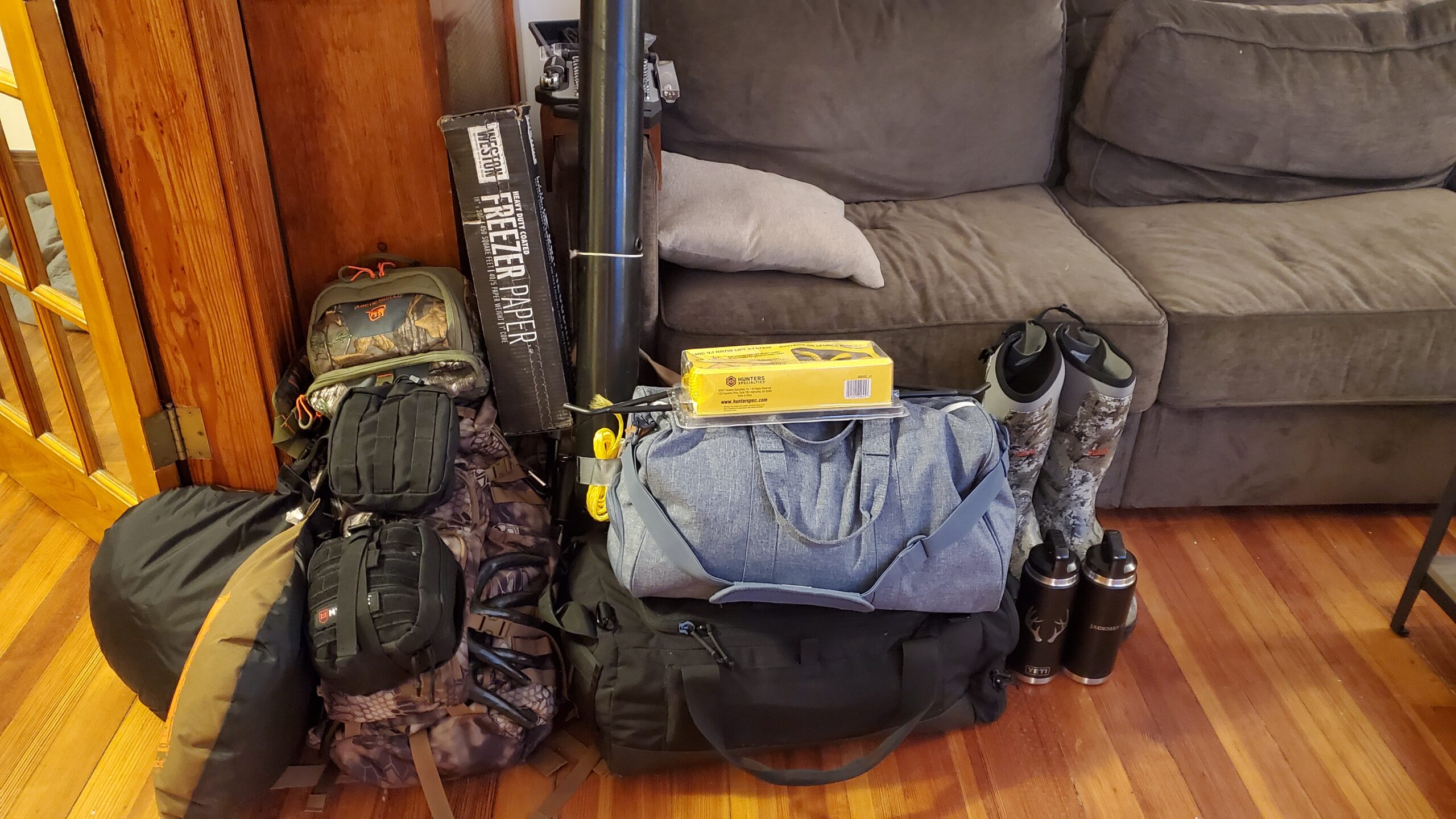
Most people don’t buy bad gear. They end up with the wrong gear for the way they actually use it.
On paper, everything checks out. The specs look good, the reviews are solid, and it’s probably something they’ve seen recommended more than once. It feels like a safe decision.
Then at some point, usually when it matters a little more, it doesn’t perform the way they expected. Not because it’s broken, but because it was never really the right choice to begin with.
It’s the headlamp that dies halfway through a hike because you never checked it. The med kit you realize you don’t really know how to use. The gear that made sense when you bought it but doesn’t quite hold up once you’re actually relying on it.
Most of these mistakes come from that gap between how something is designed to be used and how it actually gets used.
1. Buying for Price Instead of Value
Price is easy to compare, which is why most people default to it. They either buy the cheapest option and hope it holds up, or they spend more than they need to and assume that solves the problem.
Both approaches miss what actually matters.
Cheap gear has a way of failing at the worst possible time, but the bigger issue is how often people end up replacing it. It’s not unusual to go through the same item two or three times before realizing the “savings” weren’t real. I’ve had gear fail on me more than once in situations where it shouldn’t have, and it usually traces back to this exact decision point. (I’ve broken down a few of those experiences separately, because they tend to repeat themselves.)
On the other side, spending more doesn’t automatically mean you made the right call. Paying for durability you don’t need or features you’ll never use is just a different kind of waste.
Value has more to do with how something performs over time in the conditions you actually use it in. If that part isn’t clear, the price doesn’t tell you much.
2. Buying for the Extreme Instead of the Reality
A lot of people buy gear for the worst-case scenario they can imagine rather than the conditions they actually spend time in.
It feels like you’re preparing. In reality, you’re often just adding weight, bulk, and complexity that doesn’t need to be there.
That shows up in small ways at first. Packs get heavier than they need to be. Kits become harder to organize. Simple trips start to feel more involved because you’re carrying things you don’t actually use. Over time, people start leaving gear behind, not because it isn’t good, but because it’s a hassle.
And once that starts happening, it’s not really part of your setup anymore.
The irony is that gear built for extreme conditions is usually very good at what it’s designed to do. It just doesn’t make sense if those conditions aren’t part of your reality.
This is where a lot of setups start to drift. What begins as “being prepared” slowly turns into carrying more than you need, without actually improving how prepared you are.
3. Buying Gear You Don’t Know How to Use
Owning something is not the same as being prepared.
This is one of the more common gaps, and it doesn’t always show up until it matters. First aid kits that have never been opened. Headlamps that only get used when something goes wrong. Communication devices that haven’t been tested outside of the box. (I’ve gone deeper on this with the Garmin Messenger+, because it’s a perfect example of something people buy for peace of mind without ever really using it.)
The assumption is that having the gear is enough. It usually isn’t.
If you don’t know how something works, how it behaves in real conditions, or where its limitations are, you’re relying on it without really understanding it. That’s where mistakes compound. It’s also why a lot of people don’t realize their kit has gaps until they actually need it.
Most first aid kits are “complete” on paper but aren’t maintained or understood in a way that makes them useful when something actually happens. (That’s a bigger issue than the gear itself.)
Using your gear before you need it sounds obvious, but it’s one of the most overlooked parts of being prepared.
4. Ignoring How Gear Actually Works Together
Gear doesn’t solve problems on its own. Systems do.
It’s easy to think in terms of individual items. A jacket. A recovery strap. A med kit. But none of those things operate in isolation.
A warm jacket only works if the layers underneath make sense. Recovery gear depends on having the right connection points and knowing how to use them. A well-stocked kit doesn’t help much if it’s disorganized or missing something critical.
This is where a lot of people run into issues without realizing why. They’ve bought good gear, but they haven’t built something that works as a whole. It’s the same reason a truck setup can look completely dialed and still fall apart once you start relying on it.
Thinking in systems changes how you approach everything. Instead of asking “what should I buy,” you start asking how each piece fits into what you’re actually trying to do.
5. Letting Influence Replace Judgment
It’s easier than ever to see what other people are using, and that’s shaped the way a lot of gear decisions get made.
The problem is that most recommendations don’t come with the full context. Different environments, different conditions, and different levels of experience all change what “good gear” actually looks like.
Something that works well in one place can be completely wrong somewhere else. Gear that makes sense in a wet, cold environment might not translate at all to dry heat or higher elevation. Even within the same region, the way someone uses their gear can be very different from how you use yours.
There’s also the reality that not everything you see is unbiased. That doesn’t mean it’s all wrong, but it does mean you need to filter it.
Looking at what other people use can be helpful, but it shouldn’t replace your own judgment. If you’re not thinking about your own conditions and needs first, you’re not really making a decision.
You’re just borrowing someone else’s decision.
The Part Most People Miss
Most gear mistakes don’t show up when you buy something. They show up later, when you actually need it.
That’s why this matters more than it seems. It’s not about having more gear or even better gear. It’s about making better decisions up front so that when you rely on something, it does what you expect it to do.
If you get that part right, everything else tends to fall into place. If you don’t, it usually doesn’t matter what you bought.
Most of this gets decided long before you ever leave.
