Roomy camp beds, lighter backpacking bags, and a few useful specialists. Ten choices organized around how you sleep, what you carry, and the conditions you actually expect.
BY GUIDE TO WILD EDITORIAL•INDEPENDENT GEAR RESEARCH
⌁ RESEARCH-BACKED◈ EDITORIALLY SELECTED✦ NO BRAND PAID FOR INCLUSIONHOW WE CHOSE THIS GEAR
Built around the decision—not the spec sheet.
We selected distinct buyer needs before assigning awards, comparing campsite comfort, carried weight and volume, usable warmth, fit, moisture exposure, and value. Manufacturer pages established current identities and normal purchase paths in the October 13, 2026 research. Independent hands-on reviews and detailed owner reports supported the practical judgments. Current availability mattered, so discontinued and unresolved-stock models did not receive cards. Existing GTW coverage did not determine the lineup.
THE GUIDE TO WILD SHORTLIST
The Best Options, Ranked
Every pick has a specific job. Use the award, best-for callout, strengths, and tradeoffs to find the one that matches how you actually get outside.
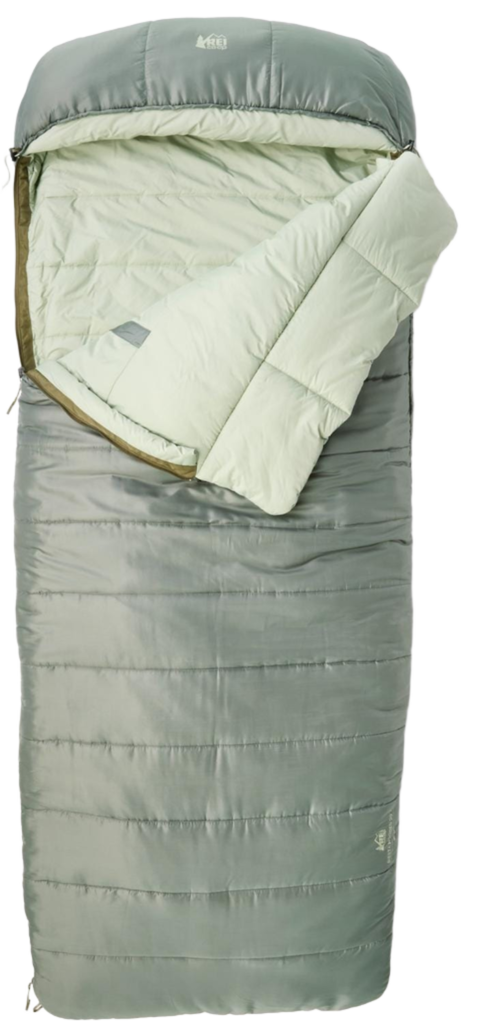
Siesta is the first bag to consider for ordinary drive-in camping. Its useful middle ground is easy to understand: more fit choice and sleeping comfort than a basic bargain bag, with less cost and setup commitment than a pad-integrated camp bed. You still need enough room in the car and at home for a bulky single bag.
Not for: Backpackers or campers short on storage space. Sleepers expecting guaranteed comfort at the number in the name. Buyers whose first priority is the largest possible pad-attached bed.
Manufacturer temperature rating
20 °F
Rating interpretation
Manufacturer rating; no separate ISO comfort/lower-limit pair published on current page
Shape / capacity
Rectangular / one person
Size-specific total weight
Medium 5 lb 7.3 oz; Medium Wide 5 lb 15.6 oz; Long 5 lb 14.9 oz; Long Wide 6 lb 7.5 oz
Best for
Frequent campground and road-trip campers who want comfortable space, straightforward setup, and a choice of fit.
Strengths
Fit choices help avoid settling for a bag that is too narrow or unnecessarily long.
Hooded coverage and pillow space suit a familiar campsite sleeping setup.
Useful venting makes the same setup comfortable for lounging and milder nights.
The value leaves more of the sleep-system budget for an insulated pad.
Tradeoffs
Considerable packed bulk for a single-person bag.
Independent use reports include zipper snagging.
The roomy cut gives up some thermal efficiency compared with a closely fitted mummy.
Compare with
Choose Siesta over Brazos for fit options, hooded coverage, and frequent-trip comfort. Move to Echo Park when extra room and pad retention justify building a matched system. One Bag is the alternative when changing insulation matters more than extra space.
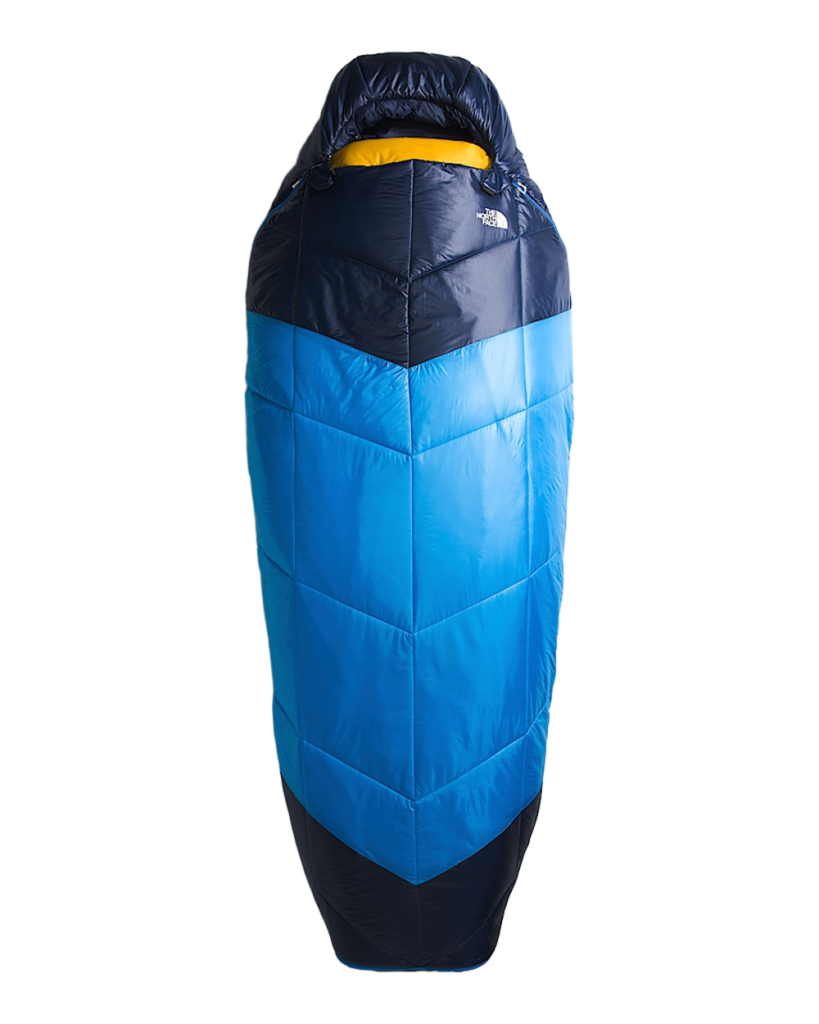
The One Bag earns its place because removing or combining layers changes the insulation you bring. That is useful on a road trip or across several seasons. It also creates more zippers to manage and more weight than a specialist bag needs for any one job.
Not for: Ultralight backpackers. Campers who only need a simple summer bag. People who dislike managing multiple zipper tracks. Sleepers expecting the coldest configuration name to guarantee comfort.
Total Weight
3 lb 13 oz regular / 4 lb 1.8 oz long
Shape
Mummy
Temperature ratings
5°F / 20°F / 40°F
Style
NF0A81CX
Best for
Campers moving between seasons, vehicle-based travelers, and occasional backpackers who value flexibility over the smallest load.
Strengths
You can leave unneeded insulation at home rather than carry the full setup on every trip.
A single system adapts to multiple trips and provides a removable lounging layer.
The accommodating mummy layout provides containment without prioritizing the trimmest fit.
Tradeoffs
More zipper complexity and weight than a dedicated bag chosen for one temperature range.
A substantial initial purchase makes less sense when your trips stay in one narrow temperature range.
Sleepers near the height limit should check fit before committing.
Compare with
Choose One Bag for repeated changes in conditions. Siesta is the simpler campground-value choice; Terra or UltraLite better serves a primarily backpacking buyer who knows the required warmth. The removable quilt-like component does not make this a standalone backpacking-quilt recommendation.
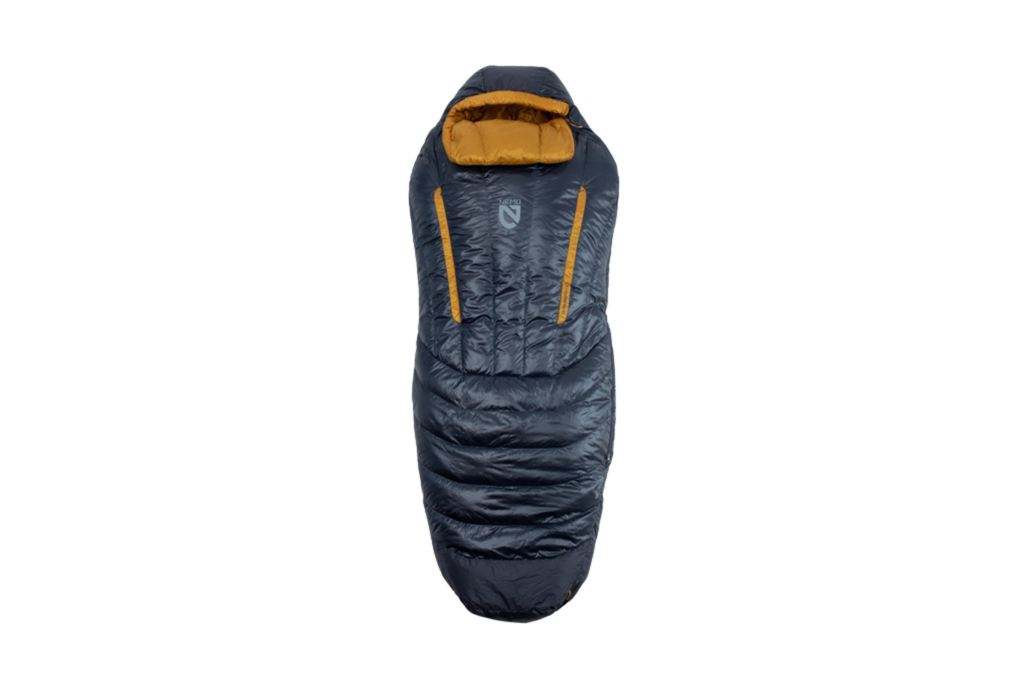
Disco is worth the extra carried load when restrictive bags keep waking you up. Its value depends on fit: bend your knees, roll onto your side, and check whether you can move without compressing the insulation. The newer Wide choices help, but they do not guarantee a comfortable fit for everyone.
Not for: Long-distance hikers who put minimum pack weight first. Cold sleepers choosing by the men’s model name alone. Buyers assuming a roomy label guarantees a fit for every larger body.
ISO Comfort
27 °F
ISO Limit
16 °F
Regular minimum weight
2 lb 11 oz
Long minimum weight
2 lb 15 oz
Best for
Side, stomach, and restless sleepers on shorter backpacking trips, plus campers sharing one bag between carried and campground use.
Strengths
Extra freedom to change position can improve the value of the sleep you get for the weight carried.
Venting adjustments help manage warmth without fully opening the bag.
Width choices let some buyers gain room without buying unnecessary length.
Its comfort-first balance works across backpacking weekends and drive-in camping.
Tradeoffs
You carry extra bulk and weight for the greater livability.
Too much unused space can work against a cold sleeper.
Fit advice based on the older Disco may not transfer to Endless Promise; the Wide options also have less independent test coverage.
Compare with
Choose Disco ahead of the more technical Riff when relaxed movement is the reason for buying. Radeon better serves a down-free, persistently damp-trip brief. Echo Park offers much more campsite space but is far less sensible to carry.
Terra is a good place to spend a moderate budget when your backpacking trips include cold mornings and manageable mileage. Its case is unusually clear: relevant current-model independent tests support the warmth and comfort, while both acknowledge the weight you carry to get that value.
Not for: Thru-hikers chasing the lowest base weight. Very small packs or exclusively hot-weather trips. Sleepers who need unrestricted rectangular-bag space.
ISO Comfort
25 °F
ISO Lower Limit
12 °F
Small bag weight
2 lb 10.5 oz
Medium bag weight
2 lb 11.5 oz
Best for
New or occasional backpackers, cool three-season weekends, and mixed campground/backpacking use on a moderate budget.
Strengths
Current-model field use around freezing supports its cool-weekend role.
The hood and neck closure give useful draft control without premium-bag pricing.
Fit choices make warmth and comfort easier to balance.
The supplied packing and storage setup simplifies a first backpacking-bag purchase.
Tradeoffs
More carried weight and packed bulk than premium down backpacking bags.
It still confines you more than a roomy campsite bag.
Down needs reliable moisture protection, and a complete carried-weight comparison must include the packing sack.
Compare with
Terra makes the stronger warmth-first case than Cosmic Down 20, at a higher purchase price. Bishop Pass 15 is a lighter step up with a narrower fit. UltraLite offers the same published comfort result at much lower carried weight and much higher cost.
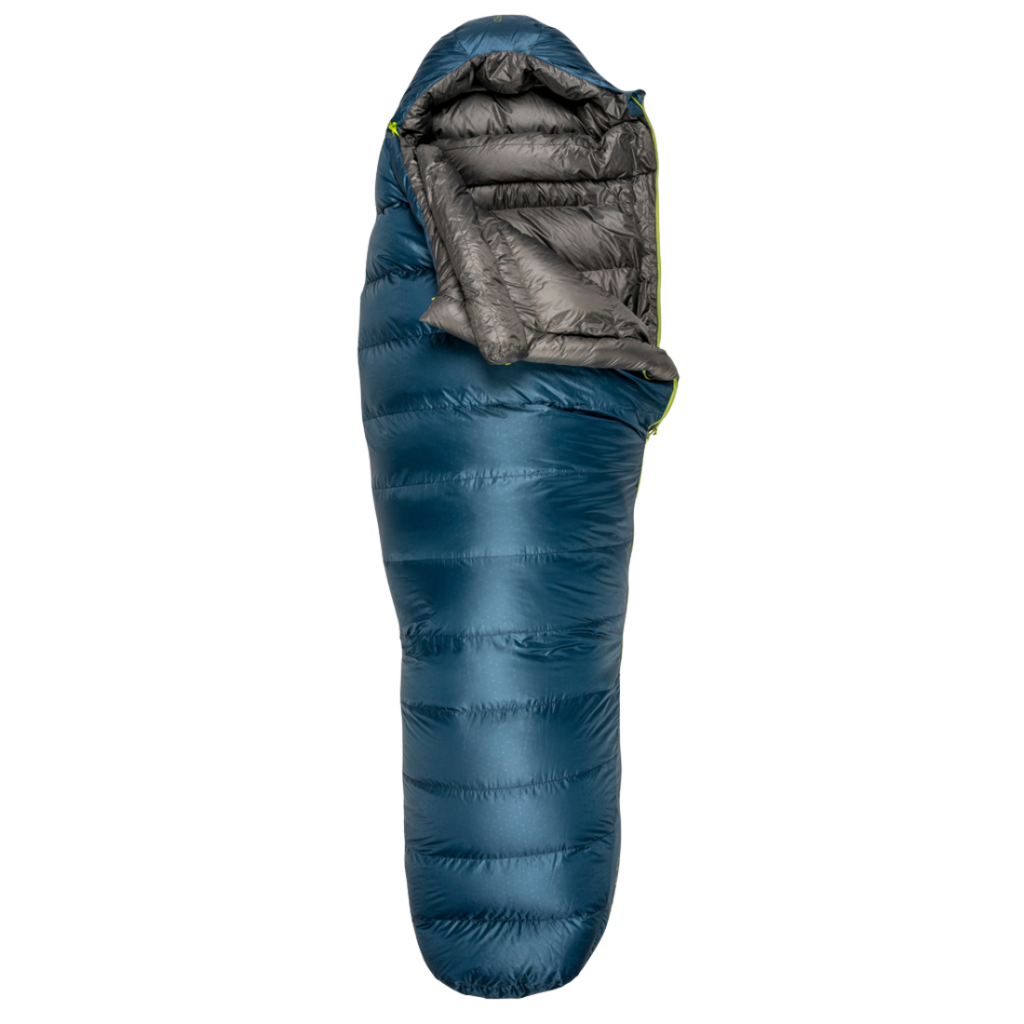
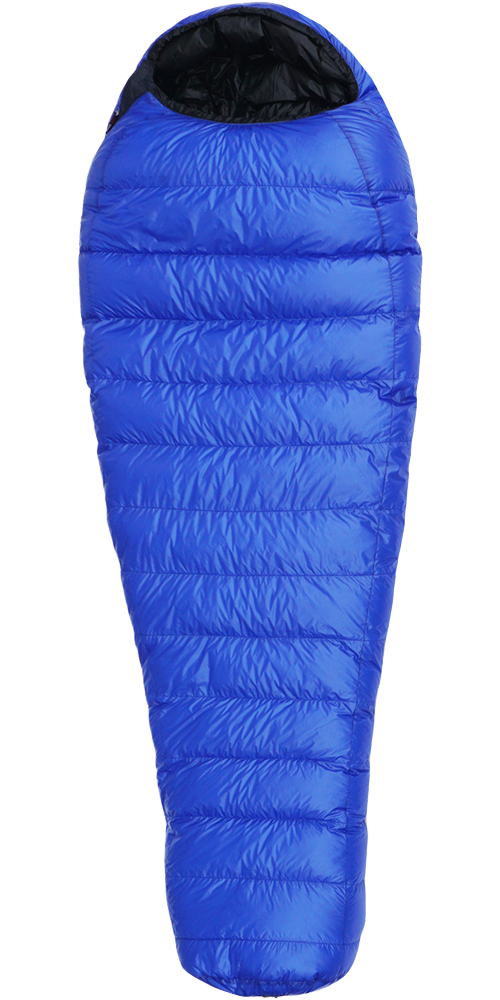
UltraLite makes sense once backpacking is frequent enough that reducing pack weight is worth a substantial investment. Its collar and enclosed design keep the recommendation focused on colder three-season trips rather than the lightest possible summer kit. Try the fit before buying: premium materials do not make a snug mummy comfortable for every body.
Not for: Budget-first shoppers and mild-weather-only hikers. Car campers prioritizing bed-like space. Broad or highly restless sleepers without a fit check. Expeditions needing much colder protection.
Manufacturer temperature label
20 °F
EN/ISO Comfort
25 °F
EN/ISO Limit
14 °F
5 ft 6 in total weight
28 oz
Best for
Frequent spring, fall, and high-country backpackers comfortable in a relatively close mummy fit and willing to pay to reduce carried load.
Strengths
Adjustable neck-draft control is valuable when nights are colder than a simple summer bag’s remit.
Useful venting and insulation adjustment help one bag cover variable trips.
Published comfort and limit results allow a clearer warmth comparison.
Extensive independent use evidence supports the long-running model’s intended role.
Tradeoffs
A high price for a relatively snug mummy bag.
A dedicated summer bag can still save more weight and space.
Some testers found the hood and collar adjustments awkward.
Compare with
Terra reaches the same published comfort figure at a lower price with much more carried weight. Spark gives up warmth margin to shrink the summer load. Broader sleepers should compare AlpinLite rather than choosing UltraLite by height alone.
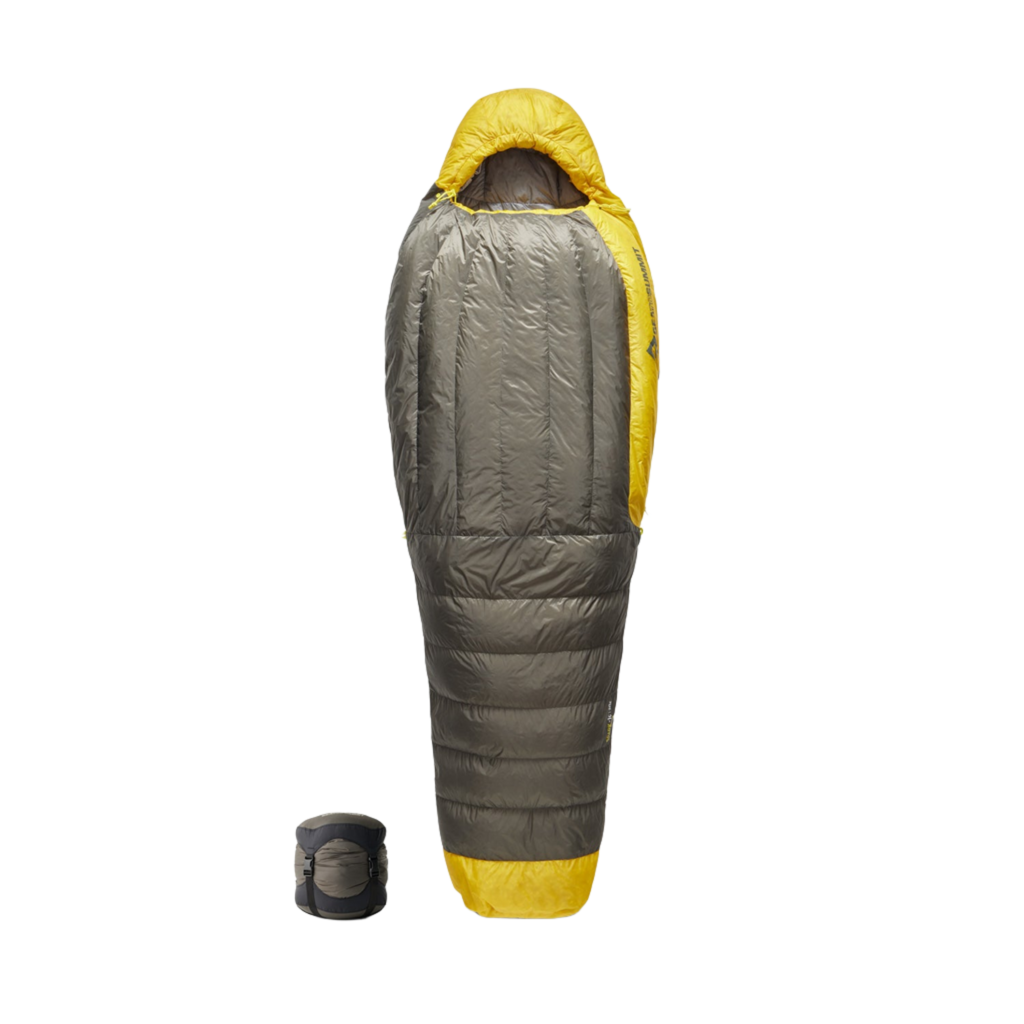
Spark is the right direction when your route and sleep habits genuinely support a mild-weather bag. It keeps the hooded, zipped sleeping-bag arrangement while reducing the load and space required for long summer days. The compromise is a smaller margin when the night turns colder than expected.
Not for: Cold sleepers expecting frosty shoulder-season nights. Buyers looking for one bag primarily for cold weather. Sleepers who need full blanket conversion or unrestricted foot venting.
ISO Comfort
39 °F
ISO Lower Limit
30 °F
Bag-only weight, Regular
493 g
Bag-only weight, Long
536 g
Best for
Warm-weather backpackers and bikepackers using small packs, including people who prefer a hooded bag to an open-backed quilt.
Strengths
A small carried load and packed volume matter over long days and with limited luggage space.
Relevant independent testing found the fit less cramped than several minimal-weight rivals.
It retains familiar hooded-bag usability for people who do not want a quilt.
Tradeoffs
Limited cold-weather margin makes conditions and personal cold tolerance central to the decision.
Restricted zipper opening limits venting and entry.
Delicate construction needs care; adding accessories for colder trips can erode the overall weight saving.
Compare with
UltraLite and Terra serve materially colder conditions by published comfort temperature. SummerLite is a useful alternative when full-length venting is the priority; Spark Pro adds ventilation at greater cost and carried load. The women’s Spark is a different thermal design.
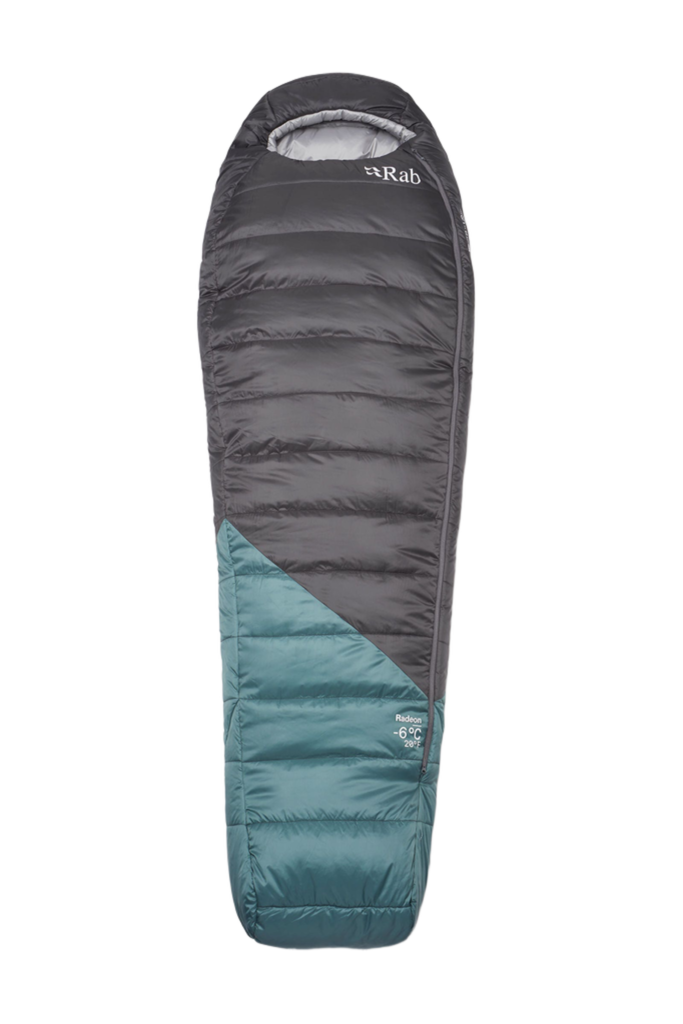
Radeon adds a reason to choose synthetic beyond price. A recent exact-model field account describes slightly damp Appalachian Trail use and recovery, which is relevant to trips where condensation accumulates and drying is difficult. That is one field experience, not evidence that a soaked bag is safe or comfortable.
Not for: Ultralight hikers. Cold sleepers selecting by the model name alone. People needing the broader hip and knee room of a NEMO Wide or a roomy camp bed.
Manufacturer product code
QSS-23
ISO 23537-1:2022 Comfort
32 °F
ISO 23537-1:2022 Lower Limit
21 °F
Manufacturer reference weight; tech line does not specify size
1315 g
Best for
Backpackers expecting persistent humidity or condensation, people avoiding down, and buyers willing to carry more for a synthetic sleep system.
Strengths
A synthetic choice can be a useful precaution when dampness accumulates across several nights.
Its fit adds useful space without the full bulk of a campsite-first bag.
It avoids spending premium-down money on trips where keeping down dry would be difficult.
Tradeoffs
Considerable weight and bulk for its usable warmth compared with down alternatives.
The hip fit is less accommodating than the broader NEMO options.
The interior is less plush than comfort-first rivals, and the bag still needs dry protection.
Compare with
Choose Radeon when carried load and a down-free build matter more than generous fit. Forte Men’s 20 is the clear alternative for buyers wanting broader fit and a warmer published comfort result; the two are not an equal-warmth weight comparison.
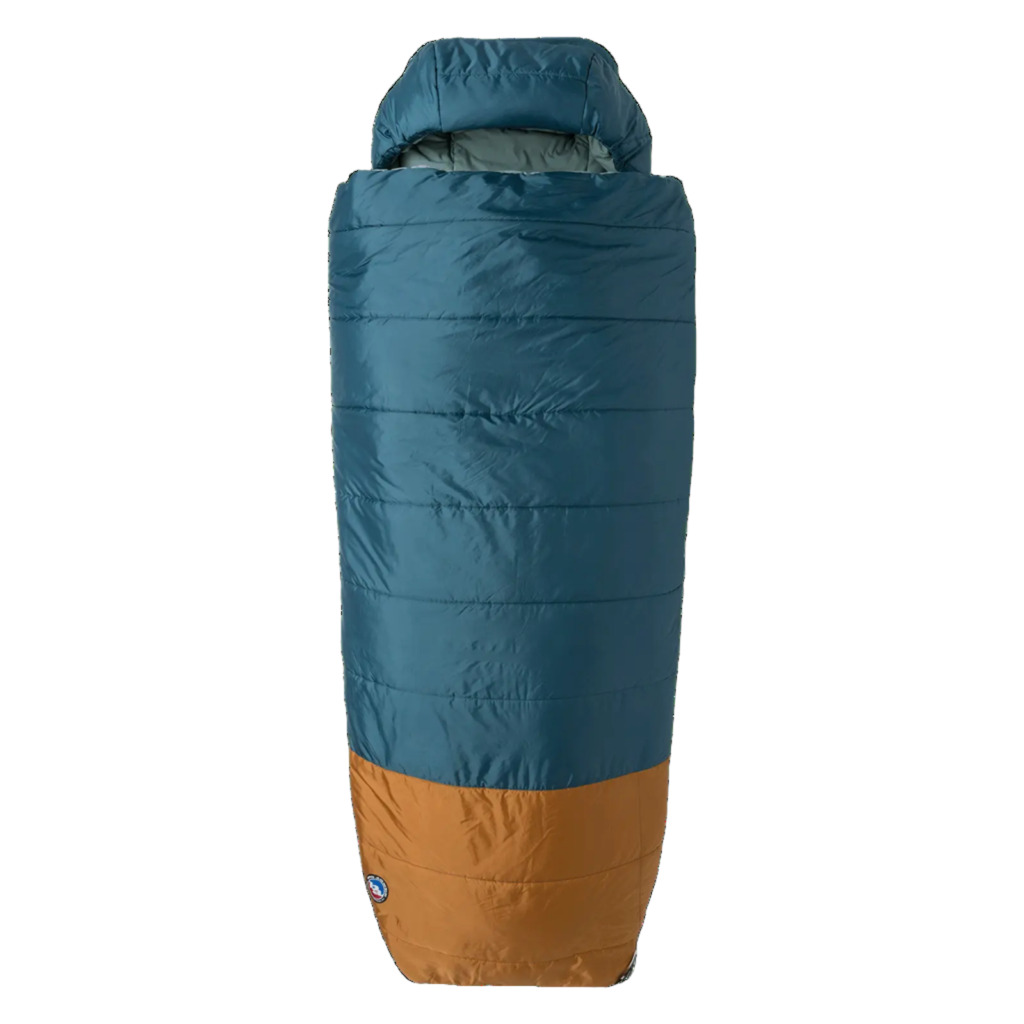
Echo Park deserves its own slot because many “roomy” backpacking bags still exclude larger sleepers. Current-model fit evidence from larger campers supports its broad, bed-like role. That room is useful when you need it; for a smaller sleeper it can simply create more space to warm.
Not for: Ordinary backpacking carry. Buyers who want to throw a stand-alone bag on any cot or mattress. Smaller cold sleepers who do not need the extra space. Anyone with an incompatible or insufficiently insulated pad.
Manufacturer temperature rating
20 °F
ISO rating availability
No separate ISO comfort or lower-limit figures published for current BEP2025
Maximum user height
78 in
Shoulder / hip / foot girth
80 / 74 / 64 in
Best for
Larger or taller drive-in campers and sleepers who want broad, bed-like coverage over a properly matched insulated pad.
Strengths
The extra room addresses genuine fit exclusion for some larger campers.
Pad attachment helps restless sleepers stay over the insulated surface.
Easy access and a less slippery interior suit relaxed campground use.
The generous hood and pillow arrangement help create a familiar bed-like setup.
Tradeoffs
You must build the bag around a compatible, properly insulated sleeping pad, and attachment adds setup fuss.
Packed size and weight strongly favor car camping.
Unneeded empty space can make a smaller cold sleeper less comfortable. The manufacturer’s temperature label lacks a verified separate ISO comfort figure.
Compare with
Echo Park serves a much roomier campsite role than Disco or Forte Wide. Choose a conventional bag such as Siesta when easier setup matters more than maximum space or pad retention. One Bag’s changing-insulation use case does not replace Echo Park’s fit advantage.
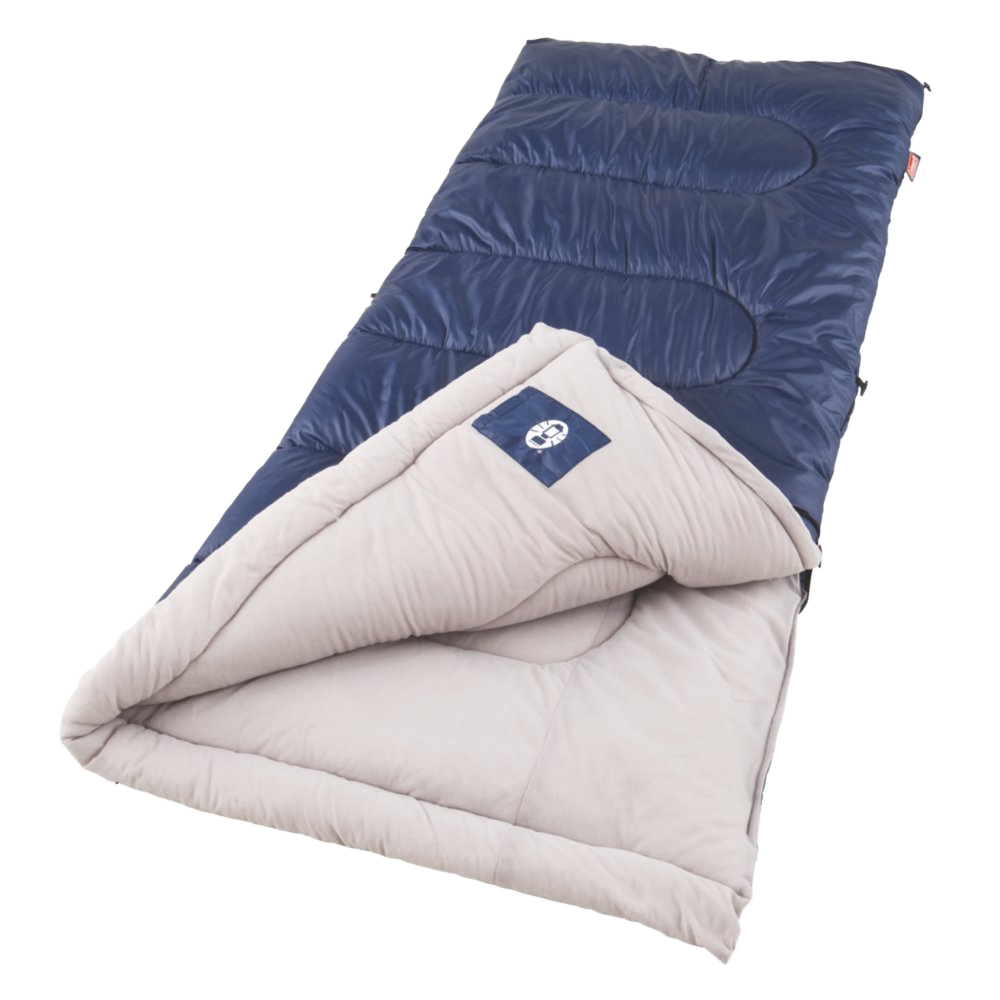
Brazos has a narrow but useful job: get an occasional camper into a usable bag without a large purchase. That works best when the sleeper fits easily and the nights are mild.
Not for: Taller or broad sleepers without checking fit. Backpacking. Cold or exposed trips. Frequent campers who already know they want more comfortable fit and fabric.
Manufacturer temperature rating
30 °F
Rating interpretation
Manufacturer rating; no separate ISO comfort/lower-limit pair verified
Unfolded length × width
75 × 33 in
Maximum user height
71 in
Best for
Smaller or average-size adults on tight budgets, occasional mild-weather camping, and a simple guest or spare bag.
Strengths
The low initial cost makes occasional camp use easier to afford.
Basic venting and blanket use cover straightforward mild-weather needs.
Easy care is useful for a low-cost spare or frequently loaned bag.
Tradeoffs
The low price brings noticeable comfort and packing compromises.
Restricted fit and limited coverage narrow its useful conditions.
A clingy liner and awkward repacking can become more annoying with frequent use.
Compare with
Save for Siesta if you camp often or need more fit options and coverage. Choose Brazos only when its smaller fit and mild-weather role are right; a low price does not compensate for an unsuitable sleep system.
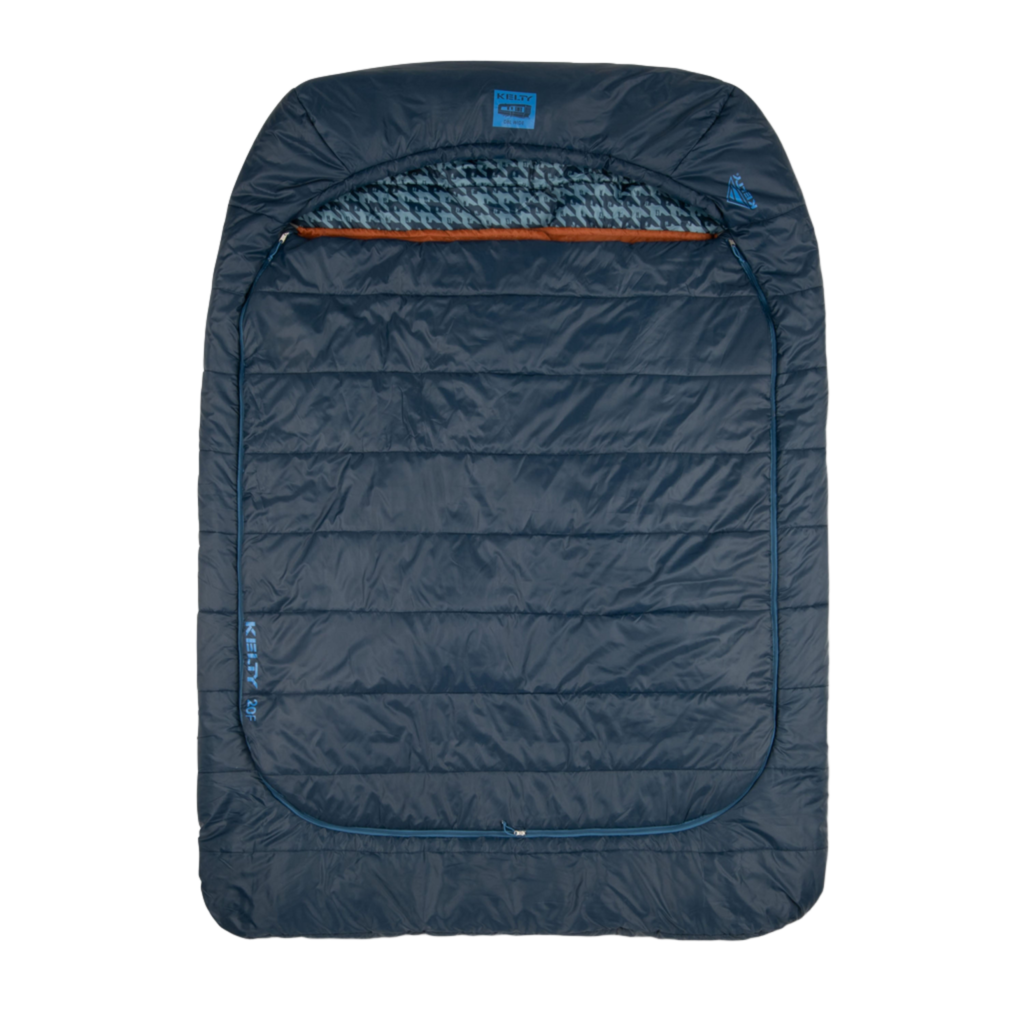
Kelty’s double is for couples who already know they enjoy a shared camp bed. The separate internal blankets and venting help each person adjust coverage, while the purchase stays below more elaborate double systems. Check that both people are comfortable with the shared space and the way the blankets move.
Not for: Backpackers. Solo campers trying to heat a large shared bag. Partners with very different insulation needs on cold nights. Buyers expecting verified comfort at the number in the name.
Fill weight
2810 g
Manufacturer temperature label; not a published ISO comfort rating
20 °F
Sleeping capacity
2 people
Published total weight
9 lb 8 oz / 4.31 kg
Best for
Two adults who prefer sharing a sleep space on mild-weather car-camping trips and put value ahead of premium bedding features.
Strengths
Individual coverage adjustments help partners manage different warmth preferences.
Shared pillow space and one packed bag support a familiar paired sleep arrangement.
The value is appealing beside more elaborate double camp systems.
Tradeoffs
Independent warmth reports disagree, so the recommendation stays firmly in mild-weather camping.
The packed bundle is large.
The internal blankets can feel narrow or move around; buyers wanting pad retention should compare a different system.
Compare with
Choose NEMO Jazz Double when a removable washable sheet, pad retention, and plusher bedding justify spending more. Two separate bags are more versatile when partners need different insulation or want independent future use.
Start with where you sleep, how you get there, and the coldest night you reasonably expect. A bag that makes a comfortable bed beside the truck can be an awkward load halfway up a trail. A compact summer mummy can save space while leaving too little warmth for a frosty shoulder-season trip.
For ordinary campground use, start with the REI Siesta. Choose One Bag if your trips change enough to justify swapping insulation. Backpackers can narrow the decision to Disco for movement, Terra for warmth value, UltraLite for a lighter three-season load, Spark for mild-weather minimalism, or Radeon for a down-free damp-trip setup. Echo Park addresses a much larger campsite fit, Brazos keeps occasional mild-weather use inexpensive, and Kelty’s double serves couples who prefer sharing.
These ten picks solve different problems. The order helps you navigate them; it is not a performance ranking, and there is no Best Overall. Fit, temperature interpretation, and the sleeping pad can change which recommendation works for you.
The short list
REI Co-op Siesta Hooded 20 — Best Car-Camping Value
The North Face One Bag — Best Modular Bag for Changing Conditions
NEMO Disco 15 Endless Promise Men’s — Best for Side-Sleeping Backpackers
EXPED Terra 15°F — Best Warmth Value for Backpacking
Western Mountaineering UltraLite — Best Premium Three-Season Backpacking Bag
Sea to Summit Spark 30°F Unisex — Best for Ultralight Mild-Weather Trips
Rab Radeon 20°F — Best Synthetic for Damp Trips
Big Agnes Echo Park 20° — Best for Roomy Car-Camping Setups
Coleman Brazos 30°F Blue — Best Low-Cost Bag for Mild-Weather Camping
Kelty Tru.Comfort Doublewide 20 — Best Value for Couples in Mild Weather
OUR PROCESS
How the recommendations were built
1picks with GTW firsthand use
9research-based recommendations
These are research-based editorial recommendations. GTW has not conducted a side-by-side test of all ten bags. Current manufacturer information supports identity and temperature labeling; independent reviewers and detailed owners support use judgments. Retailer-hosted reviews are treated as anecdotes, and retailer editorial tests are identified separately from manufacturer-independent publications.
We keep generation limits visible. Siesta’s strongest standalone test used an older sample; some One Bag tests describe an older insulation version; most detailed Disco tests predate the new Wide options. Reviews of other sizes or sex-labeled constructions do not establish identical results. The Kelty double’s conflicting cold-night reports narrow its recommendation to mild weather. A recently updated page is not automatically a newly tested sample.
GTW’s One Bag Deep Dive supplies bounded personal experience with the system, but its exact owned generation has not been matched to the current product. We do not claim GTW firsthand testing of any exact current product in this list. Published comfort and lower-limit numbers are separated from model names and manufacturer-only ratings. Prices, specific sizes, colors, and delivery options can change after the research date and should be checked when buying.
QUICK ANSWERS
Frequently Asked Questions
What temperature rating should I choose?
Start with the coldest plausible night and your own cold tolerance. Where an ISO or EN comfort figure is published, it is a more useful starting point for cold sleepers than the lower-limit number or model name. Leave personal margin rather than targeting an exact threshold. If only a manufacturer rating is available, do not assume it is a standardized comfort result.
What is the difference between comfort and lower limit?
They represent different standardized reference-sleeper conditions. Comfort describes a reference cold sleeper in a relaxed position; lower limit describes a reference warm sleeper curled up. Neither guarantees your experience. The extreme rating is an emergency-risk figure and should never be a planned sleeping target. The test also depends on an insulated sleep system.
Is down or synthetic better for damp camping?
Down usually offers an attractive warmth-to-weight and packing balance when you can keep it dry. Synthetic can make more sense when humidity or condensation accumulates and drying opportunities are poor, which is Radeon’s role here. Neither choice makes a wet bag an acceptable plan. Use dry protection, manage condensation, and do not confuse treated down or a water-resistant shell with waterproofing.
Can one bag cover car camping and backpacking?
Yes, if you accept a compromise. Terra and Disco can serve mixed use when their carried load fits your trips. One Bag favors changing conditions but asks more of your pack space; Siesta and Echo Park favor campsite comfort. If you regularly carry everything long distances, buy around that requirement rather than assuming a roomy car-camping bag will feel reasonable on trail.
Which shape works best for side sleepers or larger campers?
Check room at your shoulders, hips, knees, and feet while lying in your usual position. Disco’s movement-friendly cut is the backpacking starting point here; Echo Park serves a substantially roomier drive-in setup. A Wide label is not a universal fit guarantee, and buying extra length does not necessarily solve a width problem. Avoid pressing against the shell hard enough to compress the loft.
Should a couple buy one double bag or two singles?
Choose a double when you both prefer sharing and your warmth needs are compatible. Kelty’s individual blankets and venting help on mild nights, but two bags make it easier to choose different insulation, camp separately later, or manage colder conditions. Include the shared pad setup in the decision, and do not treat the double bag’s printed temperature as guaranteed comfort for either partner.
KEEP EXPLORING
Related Systems & Field Content
Go deeper with the product pages, field-tested reviews, systems, and guides connected to this list.