
Darn Tough Heavyweight Over-the-Calf Socks Review: Built for Late Season
A cold-weather sock for late-season hunters who hike hard, sit long, and need moisture control to keep their feet warm when movement stops.
 Dre Ciano
They keep feet warmer by managing moisture during movement, not just by adding insulation.
The Darn Tough Men’s Vermont Heavyweight Over-the-Calf Socks were used over three seasons in Maine, Montana, Idaho, and winter construction work. They stood out most during cold hunts where sweat built during the hike in and warmth mattered during long sits. They are not versatile or cheap, but for real cold conditions, they earned their place.
What works. What doesn’t.
A clear look at where this gear earns its place and where the tradeoffs begin.
Pros
- Manage moisture better than the comparison socks mentioned
- Help feet stay warmer after hard movement stops
- Substantial cushioning without hot spots or pressure points
- Stay up all day without sliding or bunching
- Strong odor control across multi-day use
- Worked in Irish Setter Pinnacle boots without sizing changes
Tradeoffs
- Too warm and thick for early season or mild conditions
- Expensive for a single pair of socks
- Not versatile
- Will not fix poor boot insulation or bad boot fit
The field story
The conditions, decisions, and repeated use behind the conclusion.
Heavyweight Merino Socks For Real Cold
These are heavyweight merino wool socks built for cold weather. They are thick, heavily cushioned, and designed to run over the calf. This is not an all-season sock. It is built for late-season use when temperatures drop, snow shows up, and sitting still becomes the harder part of the day.
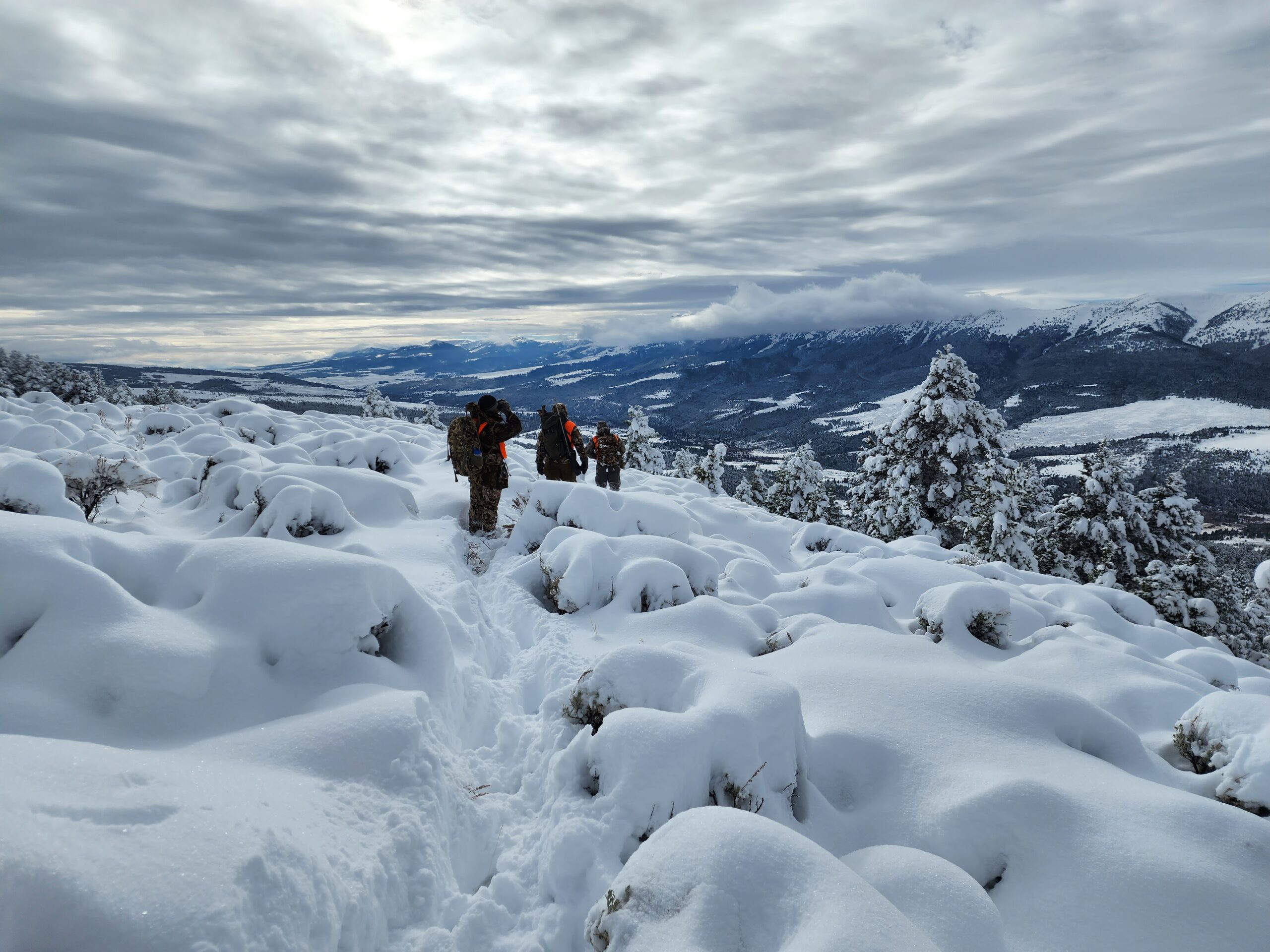
They Solve The Part Of Cold Feet That Sneaks Up Later
These socks stay in the kit because they handle the transition from movement to stillness better than anything else the author has used. Late-season hunts usually start with heat and sweat on the hike in, then turn into hours of sitting where that moisture catches up fast. These socks help control that moisture, stay in place, and keep feet warmer when focus matters most.
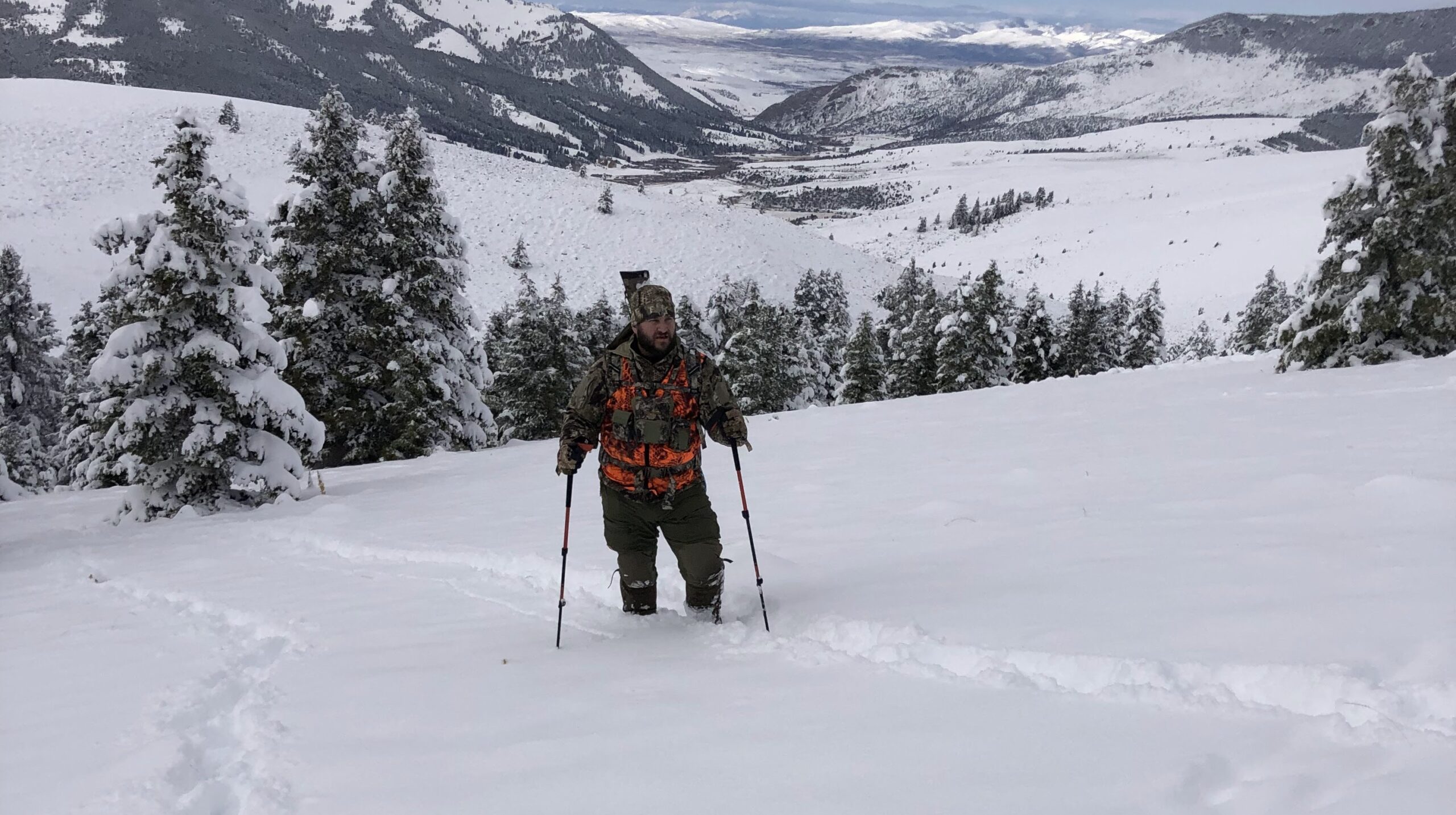
The alternatives and the tradeoff
The closest alternatives are heavyweight merino hunting socks from Smartwool, Farm to Feet, and First Lite. All of them can work well in cold conditions, but the Darn Tough stands out for the combination of dense cushioning, moisture management, and a true over-the-calf fit that stays put all day.
I’d choose the Darn Tough when the priority is late-season hunting, long periods of sitting, and repeated use over multiple days. A lighter Smartwool or First Lite option makes more sense if you want something that can stretch into shoulder-season use without overheating.
These are less versatile, but that is also the point. When temperatures are genuinely cold, I’d rather have the more specialized sock.
Performance metrics
Compared to Miramu and Realtree merino socks, these held less moisture after hard movement, which helped the author’s feet stay warmer during long sits.
The cushioning was substantial but did not feel sloppy in the boot. The socks filled the boot well without causing pressure points or hot spots.
After three years of use, the socks still stayed up all day without sliding, bunching, or needing constant adjustment.
During a four-day hunt in Rangeley, Maine, two pairs were worn multiple days, aired out overnight, and used again without issue.
The socks are expensive for a single pair and hard to justify unless the user consistently hunts or works in cold conditions.
Key takeaways
Sweat Is The Real Enemy
The socks stand out because they help control moisture after hard movement, not because they simply add more insulation.
Best After The Hike In
They make the most sense for late-season hunts where one to two hours of movement leads into long periods of sitting still.
Fit Matters As Much As Warmth
In Irish Setter Pinnacle boots, the added thickness did not require sizing up or create hot spots, pressure points, or bunching.
Multi-Day Use Holds Up
On a four-day hunt in Rangeley, Maine, two pairs were rotated, aired out overnight, and worn again without odor becoming a problem.
Not A Do-It-All Sock
These are cold-weather socks. In mild or early-season conditions, they are too warm and too thick.
Built For The Moment Cold Usually Wins
These socks earn their place when the hard part is not the hike in, but staying warm after everything goes still. They are too much for mild weather and too expensive to buy casually, but when sweat and cold start working against you, they solve the problem that actually matters.
FAQ
Are the Darn Tough Men’s Vermont Heavyweight Over-the-Calf Socks good for late-season hunting?
Yes. Based on the narrative, this is where they make the most sense: cold hunts, snow on the ground, hard hikes into position, and long sits afterward.
Are these socks good for early season?
No. The author found them too warm and too thick for early-season or mild conditions.
Do they help with cold feet?
Yes, but the key is moisture control. The author’s main takeaway was that they helped feet stay warmer after movement because they held less moisture than other merino socks he had used.
Do they require sizing up boots?
Not in the author’s Irish Setter Pinnacle hunting boots. He did not need to size up or adjust fit.
Do they bunch or slide down?
No issue was reported. After three years, they still stayed up all day without sliding or bunching.
Can they be worn multiple days?
Yes. On a four-day hunt in Rangeley, Maine, the author used two pairs, aired them out overnight, and wore them again without odor issues.
Will these fix bad boots?
No. The author specifically notes that these socks will not fix boots that are poorly insulated or do not fit well.
KEEP EXPLORING