Vortex Diamondback HD 10×42 Review: The Do-Everything Binos That Just Work

This article may contain affiliate links. If you choose to purchase through them, Guide to Wild may earn a commission. This never affects our testing or recommendations.

Pros

  • Reliable performance across a wide range of conditions
  • Good clarity for the price
  • Versatile enough for woods, water, and open country
  • Easy to live with day to day

Cons

  • Noticeable gap compared to high-end glass
  • Minor fogging in wet and snowy conditions
  • Not ideal for long, dedicated glassing sessions
  • Not an ultralight option

Most people don’t need perfect glass.

They need something they can trust to show them what they’re looking for, when it actually matters.

That’s where these fall.

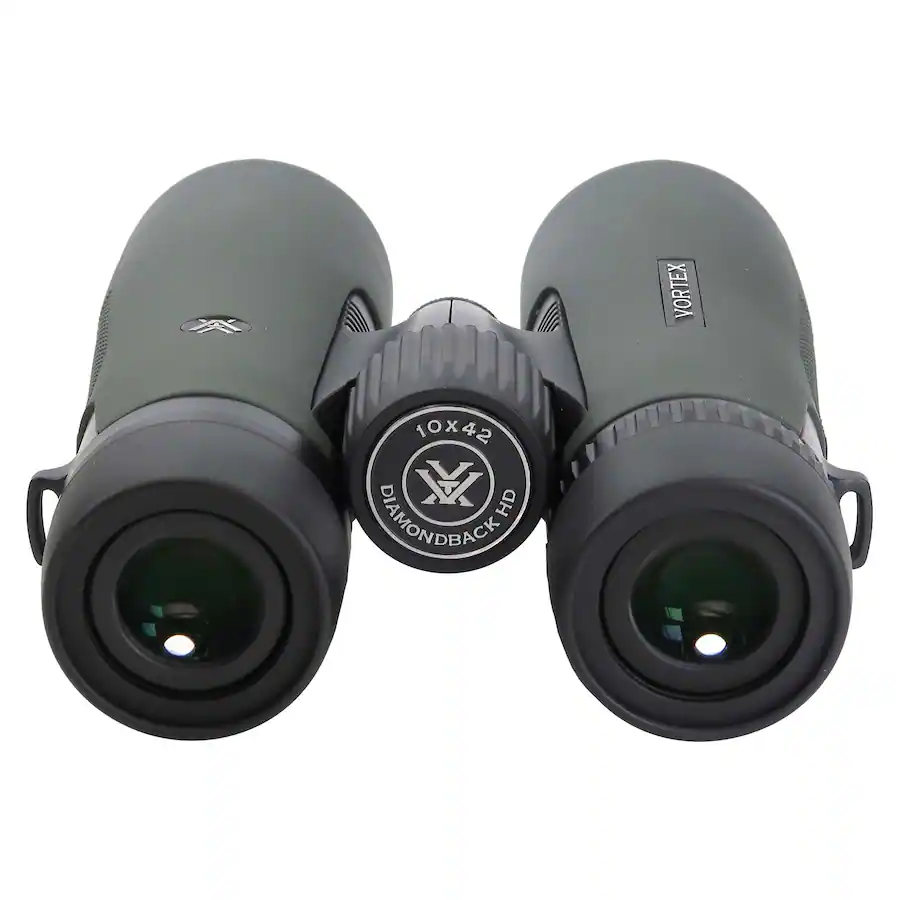
The Vortex Diamondback HD 10×42 have been in rotation for about three and a half years, with roughly 40 days in the field across Maine, New Hampshire, Montana, Idaho, and Massachusetts. Hunting, scouting, and a lot of everyday use riding around in the truck.

They have looked at everything from ducks on the river to elk across open country, and plenty in between.


The Basics

These are 10×42 binoculars built to cover a wide range of use.

Enough magnification for western glassing, but still manageable for tighter environments like the Northeast woods.

They sit in that middle ground. Not entry-level junk, but not high-end glass either.


Why It Stays in the Kit

These are the binos you grab when you are doing a little bit of everything.

They live in the truck, go to the beach, and come on every hunt. There is no second thought about bringing them because they are never out of place.

They were a big step up from no-name binoculars early on, and even now, there has not been a real reason to replace them.

They just work.


Where It Has Been Used

These have been used across a wide range of conditions and locations:

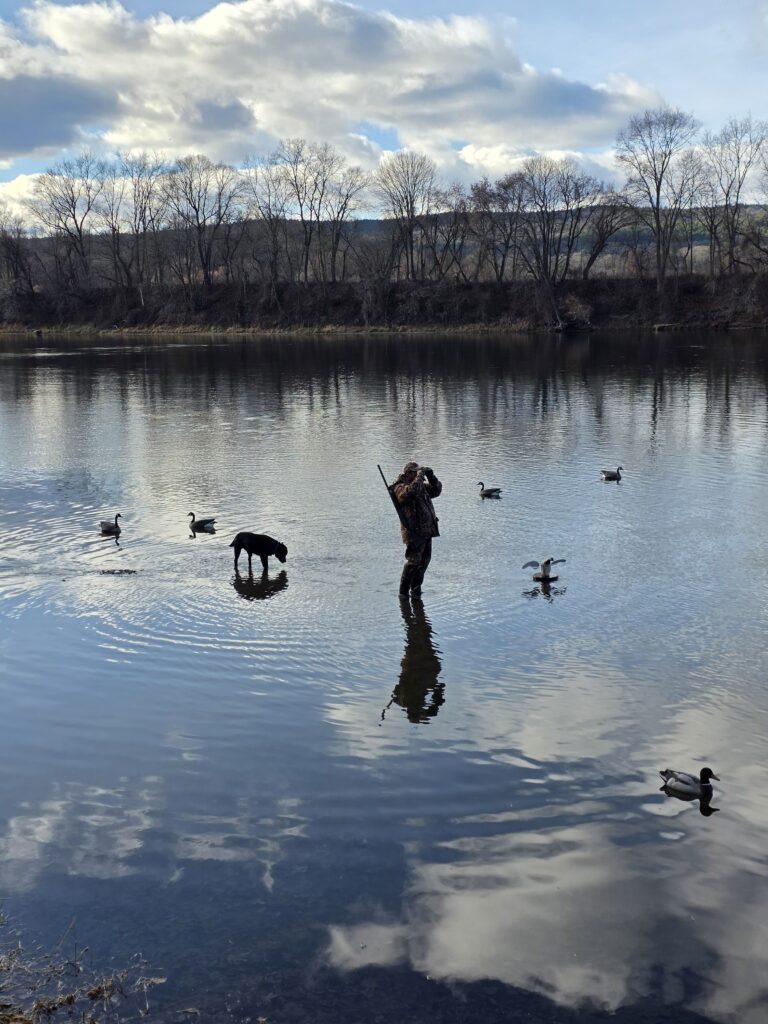
  • Maine and New Hampshire for deer, turkey, and duck hunting
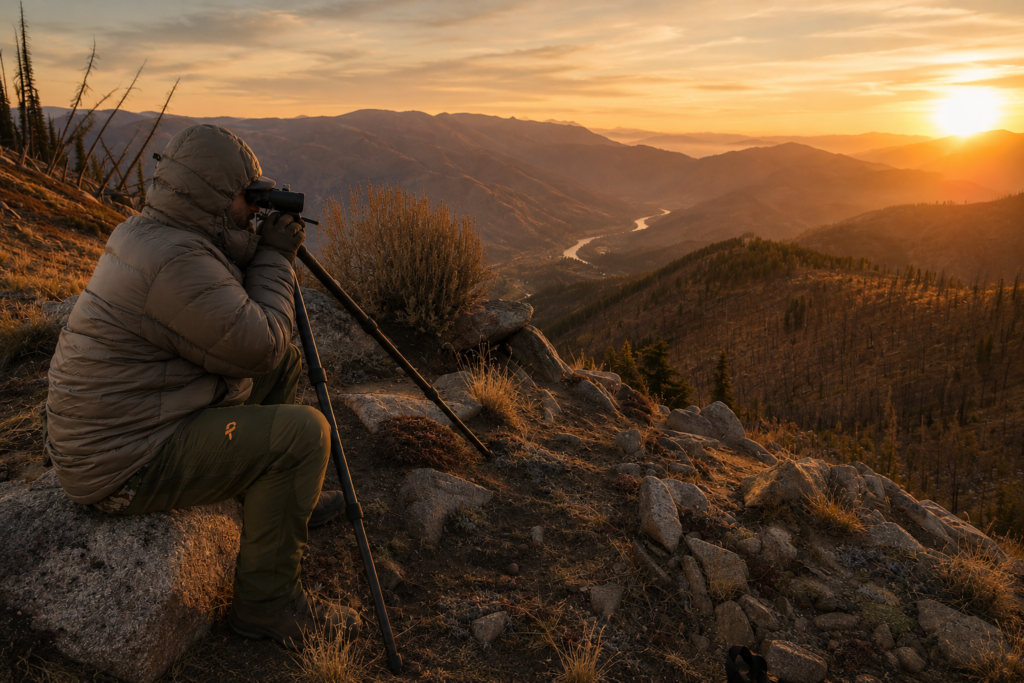
  • Montana and Idaho for elk and big country glassing
  • Massachusetts for everyday use and scouting
  • Beach trips spotting boats and seals

Everything from tight, low-visibility woods to wide-open western terrain, across all kinds of lighting conditions.


What It Does Well

The biggest thing these do well is show you what you need to see.

That sounds simple, but it matters.

One of the first real moments came during a duck hunt on the Connecticut River in New Hampshire. Light was fading, and birds were moving. Out of a group of five, these were the only binos picking up birds at distance in low light.

That was the first time they proved themselves.

They have held that level of performance across a lot of different scenarios. Whether it is scanning open country out west or picking through trees in the Northeast, they have been consistent.

Clarity is solid. Not perfect, but good enough that you are not second-guessing what you are seeing.

They are also easy to live with. Comfortable in hand, not overly heavy, and simple enough that you are not constantly adjusting or fighting them.

For something that spends as much time in the truck as it does in the field, that matters.


Where It Falls Short

There is better glass out there. No question.

Looking through higher-end binos like Vortex Razors or Swarovski, you can see the difference. Better clarity, better low-light performance, and less eye strain over long glassing sessions.

The gap is real.

The difference is that it has never felt like a limiting factor in actual use. Even during longer glassing sessions out west, there was never a moment where it felt like something was being missed.

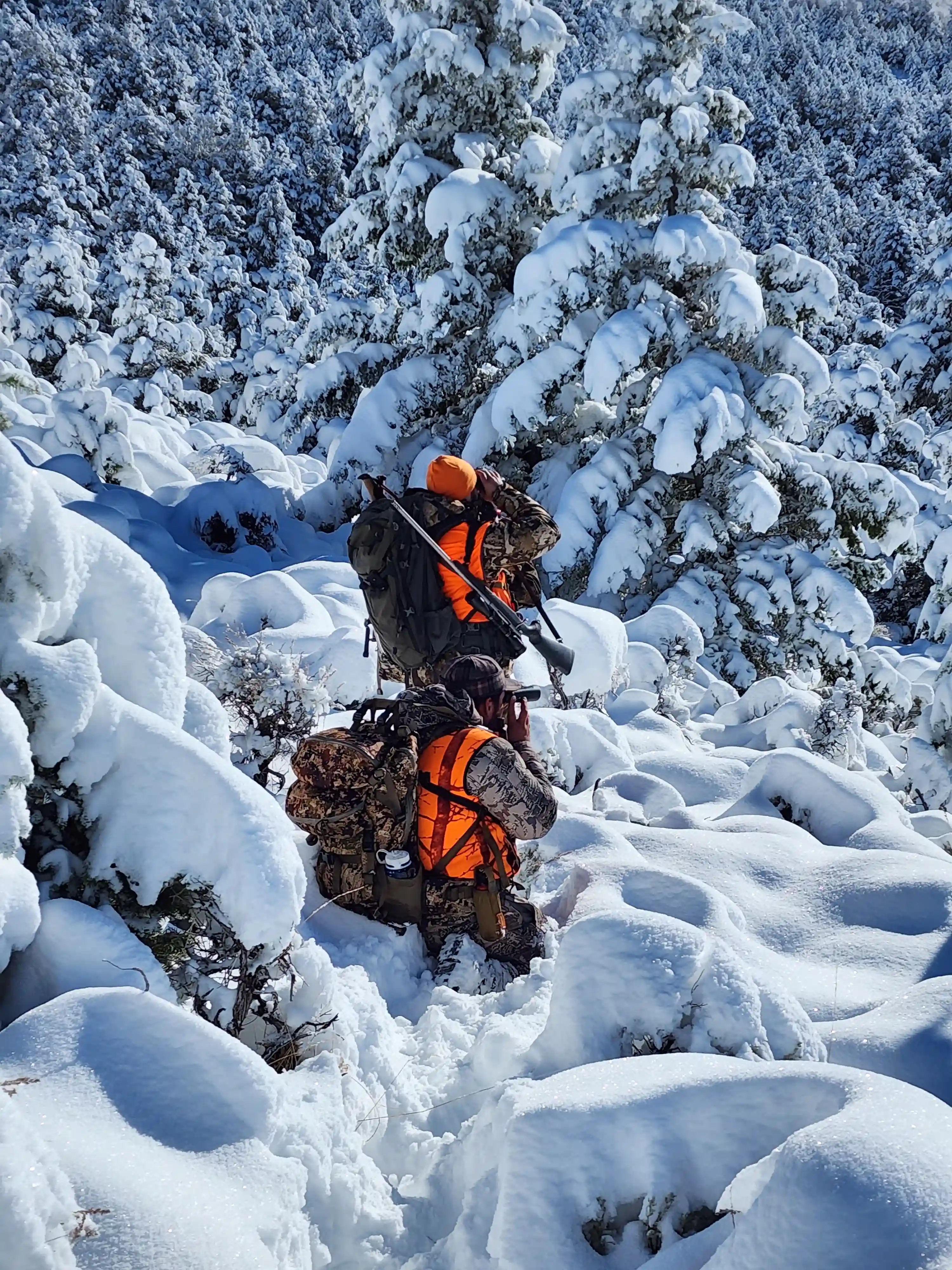
There have also been some minor fogging issues in wet and snowy conditions. Nothing consistent, and nothing that clearly points to a failure of the binos themselves. In those conditions, it is hard to say that anything else would have performed differently.


Comparisons and Alternatives

Compared to cheap, no-name binoculars, this is a massive upgrade.

That is where most people will notice the biggest jump.

Compared to higher-end glass like Vortex Razors or premium European brands, there is a noticeable difference in clarity and low-light performance.

The question is whether that difference matters enough to justify the price jump.

For this level of use, it has not.


Who It’s For and Who It Isn’t

It’s for you if:

  • You want one pair of binoculars that can handle everything
  • You hunt in a mix of environments from woods to open country
  • You want solid performance without spending top-tier money
  • You need something you can keep in the truck and use all the time

Skip it if:

  • You spend long days glassing big country and want the best possible clarity
  • You are sensitive to optical quality and want top-end performance
  • You already know you are going to upgrade to premium glass

Final Verdict

These are not the best binoculars you can buy.

They are the ones you will actually use.

After three and a half years, there has not been a real reason to upgrade. They have handled everything from low-light duck hunts to western glassing without ever becoming a problem.

For most people, that is more than enough.