
Most gear doesn’t fail on its own.
It fails because something around it is missing, overlooked, or not built for the way it’s actually being used. On paper, everything can look right. You’ve got the right pieces, the right categories covered, and it feels like a complete setup.
That doesn’t mean it is.
The gap usually shows up when things start to change. Conditions shift, effort increases, or something small doesn’t behave the way you expected. That’s when you find out whether you actually built a system, or just collected a group of things that work independently.
The Problem Most People Don’t See
Most people don’t think in systems. They think in items.
A jacket. A med kit. A jump pack. A rifle.
Each one gets evaluated on its own. Does it work, is it good quality, does it solve a problem. That’s usually where the thinking stops.
But gear doesn’t get used in isolation. It gets used together, under pressure, and often in conditions that don’t match how it was originally imagined. That’s where the gaps show up.
Not because the gear is bad, but because the connection between those pieces was never fully thought through.
Where Systems Break Down
Layering is one of the easiest places to think you’ve got a system dialed when you actually don’t.
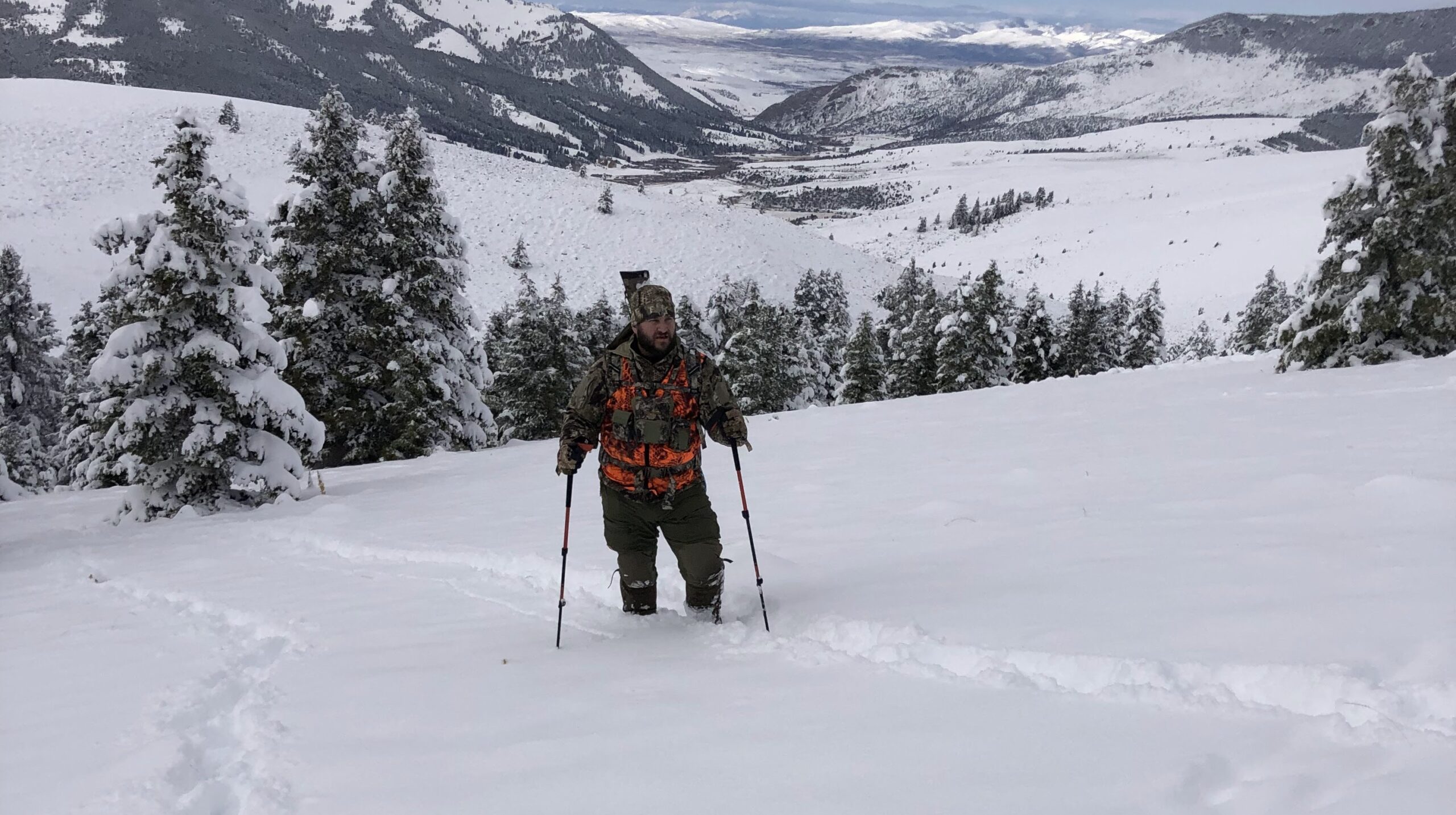
I learned that pretty quickly on my first trip out west. I had it in my head that we’d be doing a lot of glassing, so I dressed for sitting in cold weather. It was around 30 degrees that morning and supposed to drop even more, so on paper it all made sense.
About half a mile in, it didn’t.
We started climbing and the elevation hit right away. Between that and a heavier pack than I should’ve been carrying, I was overheating almost immediately. What should have been a simple hike turned into stopping, adjusting, pulling layers off, and trying to cool down without completely exposing myself to the cold.
The system itself wasn’t wrong. It just wasn’t built for what we were actually doing.
The only reason it didn’t turn into a bigger problem is because some of those pieces were good enough to recover. The Kiln base layer dried fast, the pants vented well, and I was able to dump heat quickly enough to keep moving. By the time we got to where we were glassing, I was down to a base layer and a vest.
That’s not how you want to find that out.
Layering isn’t just about staying warm. It has to handle movement, heat, and transitions. If it can’t, it’s not really a system. It’s just a setup that works under one condition.
It’s not always about missing gear. Sometimes it’s having the right piece and still not being able to use it.
I’ve had that happen with something as simple as a jump pack. I had it in the truck, which felt like I was covered. Dead battery isn’t a big deal if you’ve got your own power source.
Except I hadn’t charged it.
It was a last-minute invite to a good hunting opportunity, and I didn’t go through my usual checks before leaving. When I actually needed it, there wasn’t enough juice to do anything.
At that point, it doesn’t matter that you “have” the gear. It’s not solving the problem.
That wasn’t a gear issue. It was a prep issue.
The system wasn’t just the jump pack. It was everything that should have happened before I left.
Sometimes everything looks right, and it still doesn’t hold up.
I had that happen in Montana with my rifle setup. My pack was overstuffed, and when I went to put the rifle into the scabbard, I had to jam it in harder than I should have. At the time, I didn’t think much of it.
That was the mistake.
We later concluded that forcing the rifle into that tight scabbard setup is what knocked the scope loose. It wasn’t a random fall or some unavoidable vibration issue. It was how I was using it.
I also hadn’t used Loctite when I mounted the scope, which made the problem easier to create.
I didn’t know any of that in the moment. When I finally got into position on a 3×3 mule deer, everything felt normal. I took the shot and missed. At the time, I thought I just made a bad shot.
It wasn’t until the next morning at the range that we realized what had actually happened. The scope was off.
That’s a different kind of failure.
It’s not just that the system didn’t hold up. It’s that the way I packed, carried, and handled the rifle introduced a failure point I didn’t catch until it had already cost me.
What a Real System Actually Looks Like
This is where the shift happens.
A real system isn’t just a collection of good gear. It’s built around how things actually play out, not how you imagine they will.
It handles movement and stillness, not just one or the other. It accounts for transitions, not just steady conditions. It doesn’t rely on something else showing up to make it work.
And it gets checked before you leave.
That part matters more than people think. Charging a battery. Tightening hardware. Making sure what you packed actually matches what you’re about to do. None of that shows up in a gear list, but all of it is part of the system.
It also has to hold up under stress.
How things are packed, how they’re carried, and how they interact with each other matters just as much as the gear itself. If something can shift, loosen, drain, or get buried at the wrong time, it eventually will.
A good system doesn’t just work when everything goes right. It gives you room to recover when something doesn’t.
The Part That Actually Matters
When something goes wrong, you don’t rise to the level of your gear.
You fall back on how well your system actually holds together.
That system isn’t just what you brought. It’s how you prepared, how you maintained it, and how everything works together once you’re out there.
That’s when the gaps show up. Not in what you own, but in how everything connects.
Most people don’t notice those gaps until they’re already dealing with them.
By then, it’s too late to fix.
