Dirty Is Earned. Neglect Is Not.
Dirty gear can be proof that you were out there. But when mud, moisture, dead batteries, and missing kit start costing you readiness, it stops being character and starts becoming neglect.
Some links on this page are affiliate links. If you purchase through them, we may earn a commission at no additional cost to you. As an Amazon Associate, we earn from qualifying purchases.
field-tested picks mentioned
There is a difference between gear that gets used and gear that gets neglected, but at a glance they can look pretty similar.
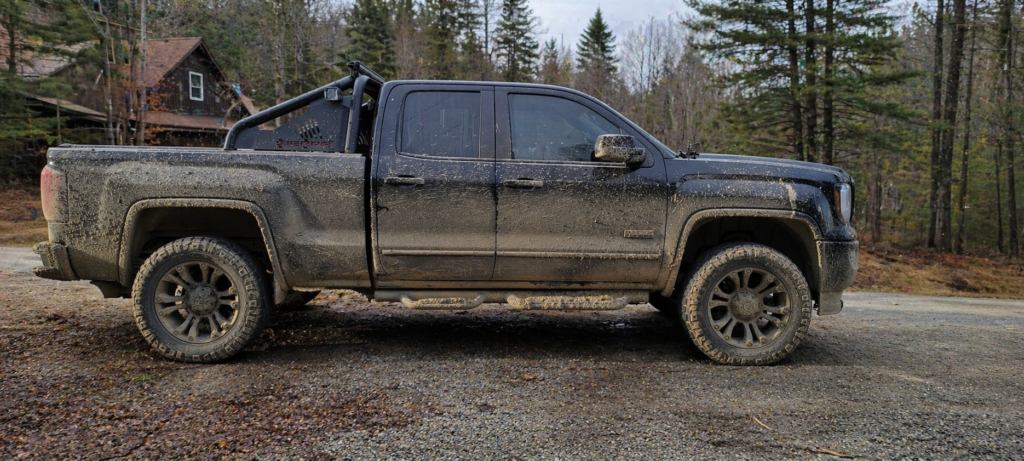
Mud on the truck. Dirt in the floor mats. Wet boots by the door. A cooler still closed from the ride home. A tote full of gear that technically made it back, but never actually got reset.
That all looks like proof that you were out there.
And honestly, it should.
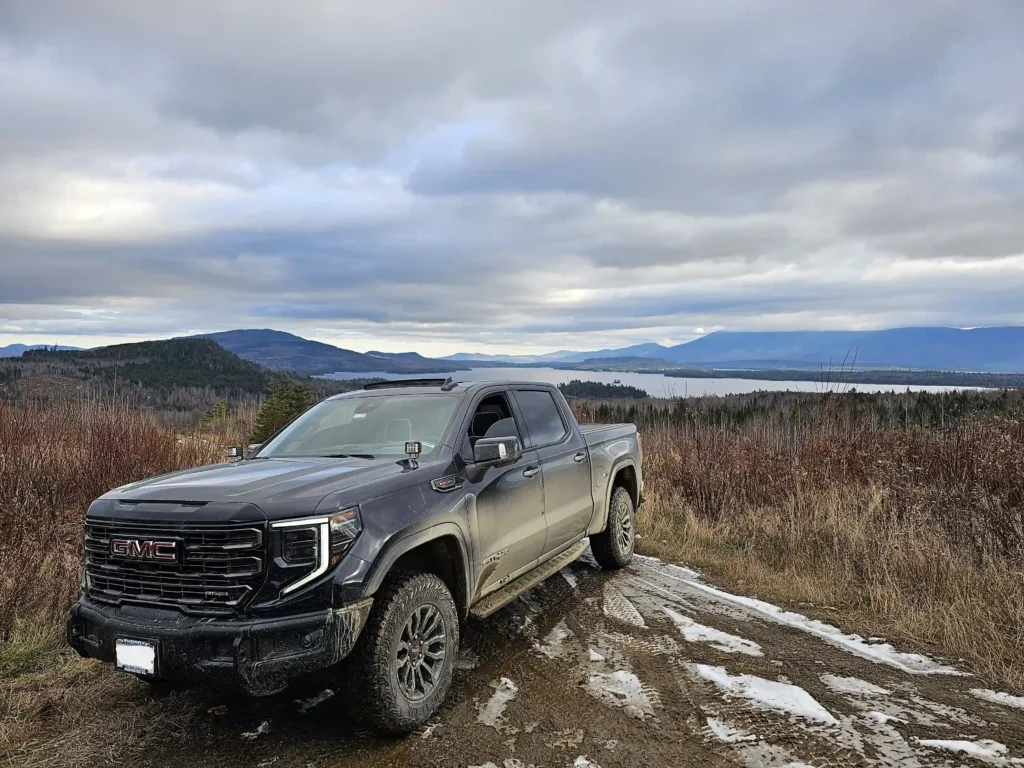
A dirty truck can feel like a badge of pride.
You drive past a pristine Wrangler or Raptor, fully built out and never touched by dirt, and you already know what time it is. Then you look at yours, still covered from the last trip, gear in the back, sand in the floorboards, and mud packed where it probably should not be.
It looks used because it is used.
Same goes for boots, packs, coolers, waders, recovery gear, tools, jackets, and everything else that actually sees the field. I do not want outdoor gear that looks like it lives on a showroom wall. I want gear that earns scars.
But there is a line.
MY TAKE
Use your gear hard, but do not confuse dirt with character once it starts costing you readiness.
When Dirty Turns Into Neglect
Mud holds moisture. Salt eats slowly. Fine grit works into hinges, seals, zippers, straps, buckles, and moving parts.
The problem is not that your truck got dirty. The problem is letting it stay that way long enough for dirt to become damage.
That same pattern shows up everywhere.
A first aid kit gets opened once and never restocked. A headlamp gets tossed into the glove box with dead batteries. Recovery straps go back into the bed wet and packed with grit. Boots get kicked off in the garage and left to dry halfway, which usually means they do not really dry at all.
Nothing fails all at once.
It slowly stops being ready.
The Post-Trip Reset Matters
This is where a simple reset earns its keep.
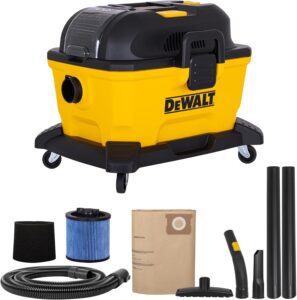
A cordless wet/dry vac is not exciting gear, but it might be one of the most useful things you can keep around if your truck actually gets used. Vacuum the cab. Hit the floor mats. Clear the gravel, dog hair, spent shells, pine needles, food crumbs, sand, and all the other evidence of a trip before it becomes permanent.
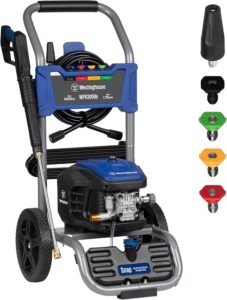
Same idea with a pressure washer or basic rinse setup.
You do not need to turn every wash into a full detailing session. But rinsing mud out of the wheel wells, salt off the undercarriage, grit off recovery boards, and muck off boots, coolers, waders, and floor mats is not vanity. It is maintenance.
Cleaning is when you notice things.
You notice the strap that is starting to fray. You notice the loose buckle. You notice the cracked boot rand. You notice the missing headlamp. You notice the first aid kit you robbed for tape and never refilled.
That is the value.
Not looking clean.
Paying attention.
Boots Deserve Better Than the Garage Floor
Boots might be the clearest example of this whole idea.
They take the beating, then somehow get treated like an afterthought. Mud, sweat, creek crossings, snow, blood, brush, dust, and miles all end up in the same place, then the boots get kicked into a corner like they are supposed to magically recover on their own.
That is how good boots get ruined early.
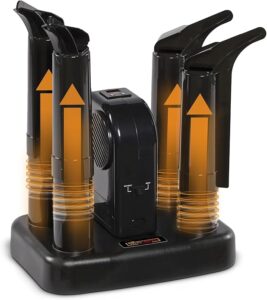
A boot dryer changes that rhythm fast. PEET-style dryers, forced-air dryers, and portable gear dryers are not glamorous, but they solve one of the most common problems in the entire outdoor world: wet gear that never fully dries before the next use.
Drying matters for boots. It matters for gloves. It matters for waders. It matters for ski liners, hunting layers, and anything else that comes home damp and gets ignored.
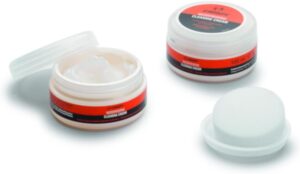
And once leather boots are clean and dry, that is where something like CRISPI Waterproofing Cream makes sense. Not as some obsessive ritual after every walk through the woods, but as part of keeping real boots alive after real use.
Brush the dirt off. Let them dry properly. Treat the leather when it needs it.
That is not babying your gear.
That is respecting the stuff you depend on.
WHAT TOOK ME TOO LONG TO LEARN
A post-trip reset is not about keeping gear pretty. It is about catching problems while they are still small and making sure the kit is ready before the next time you need it.
❝
Cleaning is when you notice things.
Your Gear Needs a Home
A clean truck changes how you use it.
So does organized gear.
Once everything turns into a pile, the whole system starts breaking down. Recovery gear goes missing. Batteries disappear. The med kit gets buried. The air compressor ends up under a camp chair. Your rain shell is somehow in the same tote as a leaky fuel bottle, three loose tent stakes, and a half-empty bag of jerky.
Storage bins are not sexy, but they fix more than people want to admit.
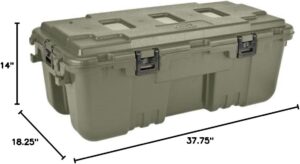
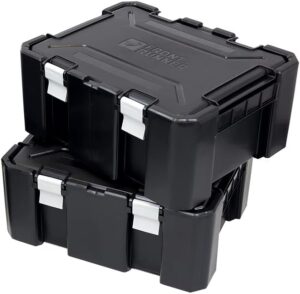
A good bin, tote, drawer, or trunk gives gear a home. One for recovery gear. One for camp kitchen stuff. One for hunting odds and ends. One for truck tools. One for winter layers. One for the random things that always seem to migrate into the back seat.
The specific brand matters less than the system.
Plano trunks, Rubbermaid ActionPackers, Front Runner Wolf Packs, Husky waterproof bins, zip pouches, ammo-can-style boxes, whatever. The point is not to create a perfect garage-wall fantasy. The point is to know where your gear is when you need it.
A messy truck is annoying.
A messy system is worse.
- Dirty gear can be proof of use, but it is not proof of readiness.
- Mud, salt, grit, and moisture do slow damage.
- Cleaning is often when you notice what is starting to fail.
- Wet boots, gloves, waders, and liners need to fully dry before storage.
- Storage systems matter more than storage brands.
- Ready gear beats new gear.
Ready Beats New
This is not only about trucks and boots.
Rain jackets wet out. Ski gear loses its edge. Softshells get clogged with sweat, smoke, blood, dirt, and camp grime. Packs collect dust and salt. Gloves get funky. Coolers get shut wet. Waders come home dirty and get folded into a corner like that is not going to become a problem.
This is where gear wash, DWR treatment, brushes, microfiber towels, and basic cleaning supplies belong in the conversation.
Not because every trip needs a full gear spa day.
Because technical gear has jobs to do.
A rain shell that no longer sheds water is not just dirty. It is less useful. A cooler that smells like death is not rugged. It is gross. A pack with grit grinding into zippers and buckles is not broken yet, but it is moving in that direction.
The reset does not need to be complicated.
Rinse it. Dry it. Brush it. Wash it when needed. Re-treat it when needed. Put it away correctly.
That is the whole game.
There is a trap in always wanting the next piece of gear.
A new headlamp feels more exciting than replacing batteries in the one you already own. A new med kit feels easier than restocking the one that got picked through. A new boot feels more tempting than cleaning and treating the pair that still has years left in it.
But a lot of outdoor problems are not solved by buying more.
They are solved by resetting what you already have.
Gear does not need to be new.
It needs to be ready.
Use your gear hard. Let it show where it has been. Then reset it, dry it, restock it, charge it, and put it back where it belongs, because dirty gear only matters if it is still ready when you need it.
Gear does not need to be new. It needs to be ready.
Endless insights on gear of all kinds
gear guides. real reviews. field tested
Read more in-depth reviews and field guides to help you get outside, prepared, and confident.