
You Own It. You Don’t Know How To Use It
Owning the right gear can feel like preparation, but the real test comes when you know how it behaves before pressure shows up.
 Matt Anderson
The gear that makes you feel the most prepared can become the biggest problem if you have never used it before it matters.
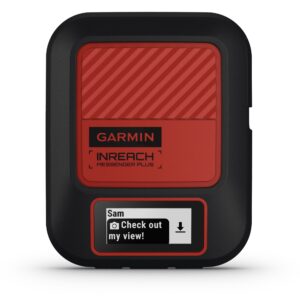 Garmin Messenger +
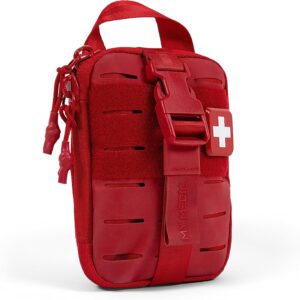 MyMedic Sidekick
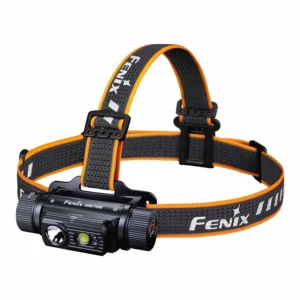 Fenix Hm70R Headlamp
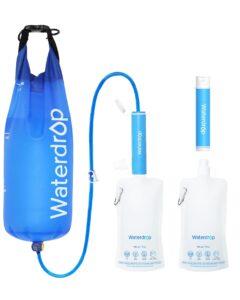 Water FIlter
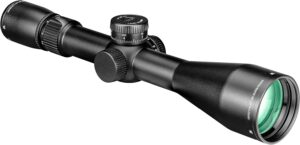 Vortex Optic
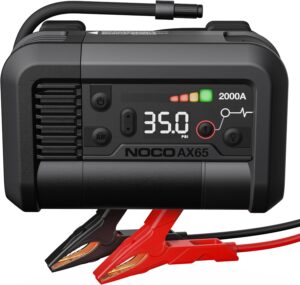 Noco Boost Jump Pack + Compressor
Owning It Isn’t The Same As Knowing It
There’s a version of being prepared that looks right on the surface. You’ve got the gear, the kit is stocked, and the right tools are there if something goes wrong. It feels like you’ve covered your bases.
But there’s a gap that doesn’t show up until you actually need to rely on something. Owning gear is not the same as knowing how to use it, and most of the time you don’t notice that until you’re already in a situation where it matters.
That is the part people miss. The gear creates confidence before it has earned trust.
When Simple Gear Isn’t Actually Simple
It usually starts with things that should be easy.
A headlamp sits in your pack for weeks without a second thought. Then you finally need it, click it on, and realize it’s dead because it’s been running in your pack all day without you knowing. Now you’re not just moving, you’re adjusting, trying to make something work that should have been simple.
The Fenix HM70R is exactly the kind of headlamp that can make you feel covered because it is capable, bright, rechargeable, and built for real use. But none of that matters if you do not know its lockout, charge status, runtime, brightness settings, or how fast you burn through battery when you leave it on high.
The same thing happens with other “simple” gear. Stoves, water filters, anything that seems straightforward until you actually rely on it outside of ideal conditions. A water filter feels like clean water solved until it clogs, freezes, leaks, slows down, or you realize you never practiced the process when your hands were cold and the light was fading.
Individually, none of these are major problems. Together, they create friction at the exact moment you don’t want it.
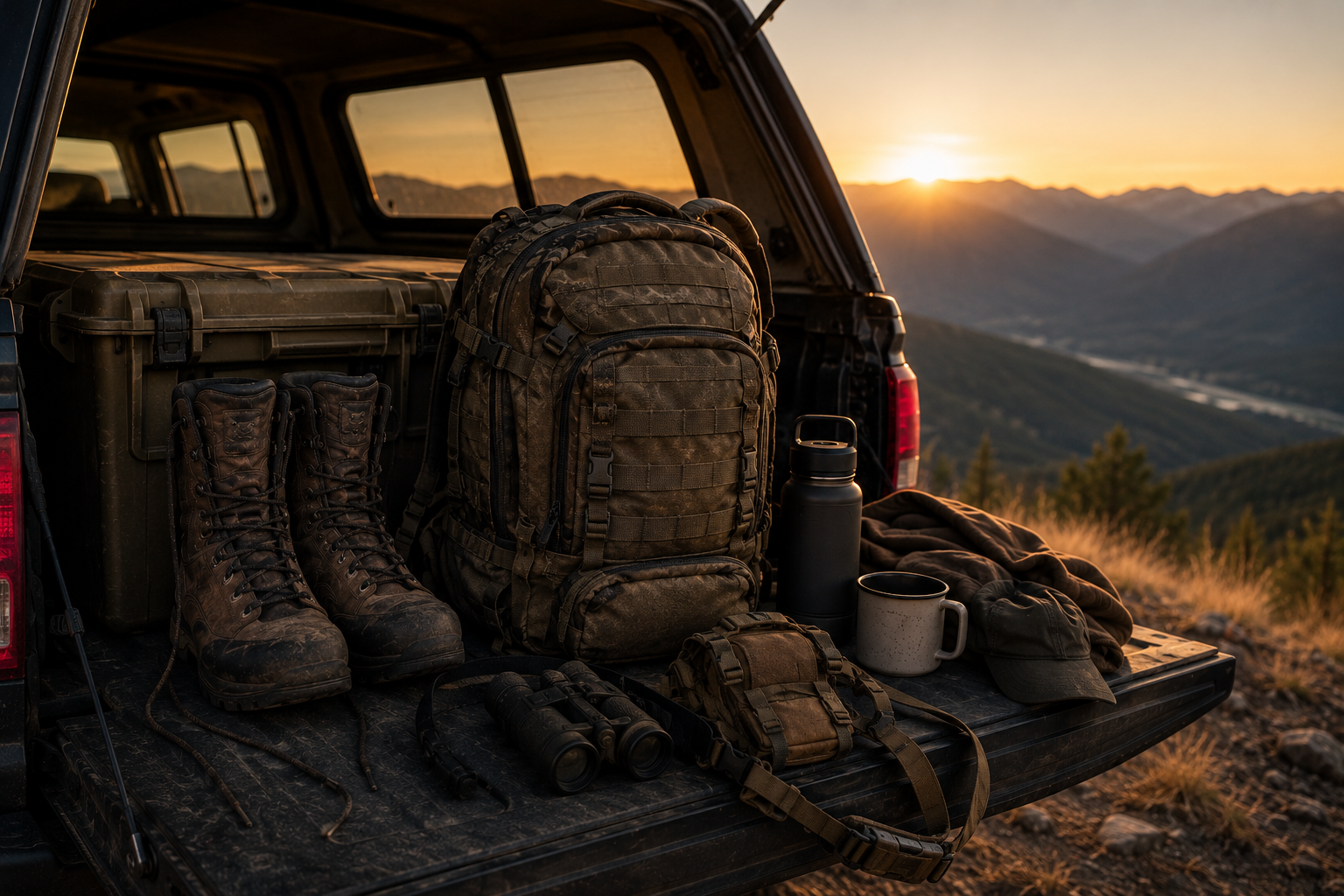
Peace Of Mind Still Needs A Signal
Communication gear is where this really starts to show.
It’s easy to buy something like the Garmin Messenger+ and feel like you’ve solved a problem. You’ve got a way to reach someone if things go sideways, and that alone creates a sense of security. But most of the value in something like that comes from knowing how to actually use it.
How it connects. How long it takes. What the limitations are. What happens when conditions aren’t ideal. Whether your subscription is active. Whether it is synced. Whether it can acquire signal where you are standing.
A lot of people never get that far.
I test mine before every trip. Subscription active, synced, signal acquired. That’s how I caught an issue with my previous unit before a trip out to Idaho. If I hadn’t, I would have found out the hard way, a long way from anything.
That is a very different situation than using it when everything is calm. It is slower, less certain, and a lot less forgiving than people expect.
The gear creates confidence before it has earned trust.
A First Aid Kit Is Not A Plan
First aid kits are another place where this shows up.
Something like the MyMedic MyFak can make you feel squared away because it looks complete. It has the pouch, the organization, the supplies, and the appearance of readiness. But that doesn’t mean much if you don’t know what’s inside, what you would actually reach for, or how to use it under pressure.
It’s not just about missing items. It’s about not having a clear understanding of what you already have.
I’ve gone into my own kit and found basic things like ibuprofen that were years expired, or realized I was down to gauze and tape because I never replaced anything I used. It sounds minor until you actually need something simple and don’t have it, and you’re sitting there with a taped piece of gauze on your trigger finger when all you needed was a bandaid.
That’s usually when people realize their kit isn’t as dialed as they thought it was.
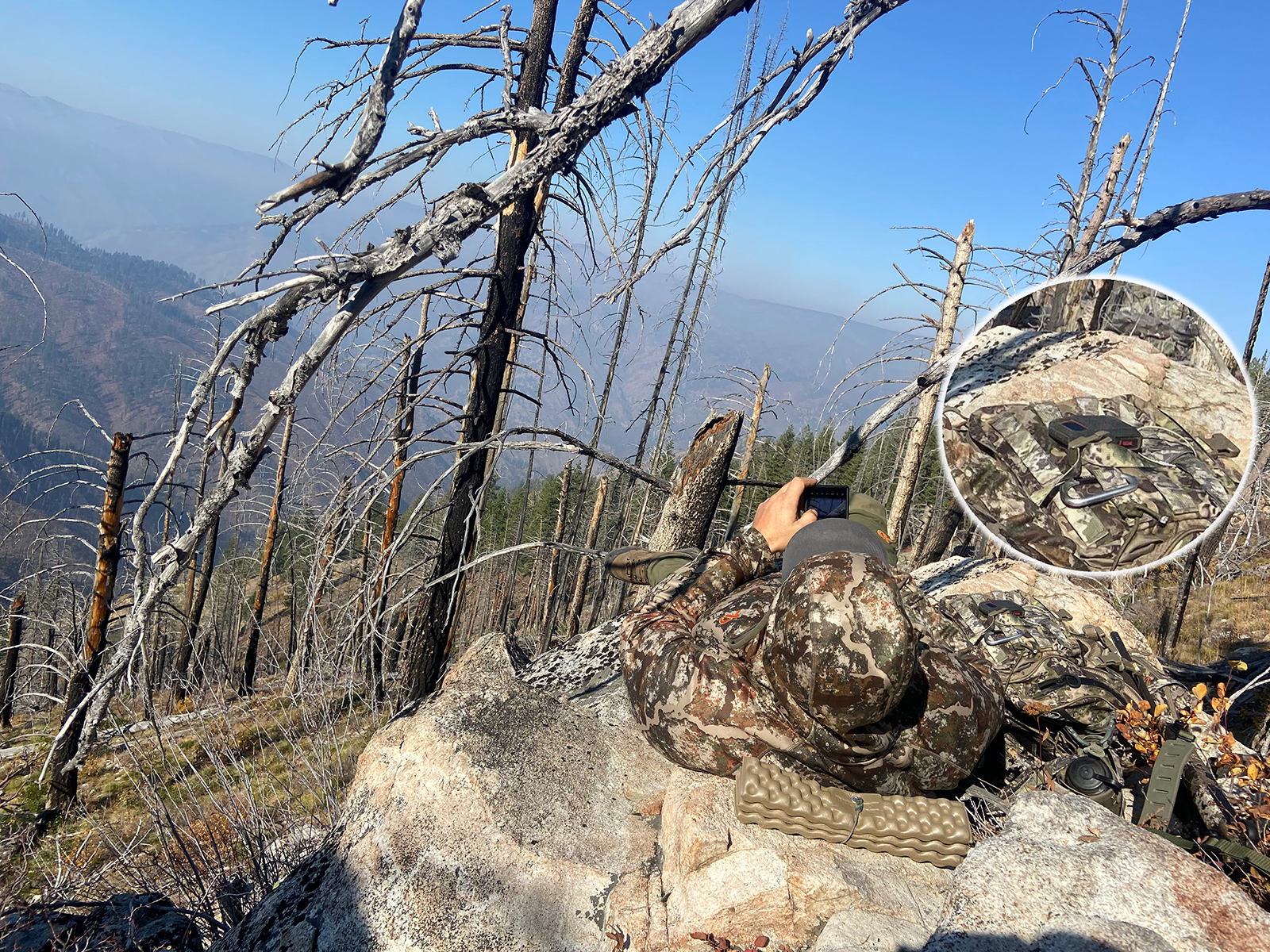
The More Capable It Looks, The More You Need To Understand It
Shooting optics belong in this conversation.
A rifle with a Vortex optic on it can look ready. It feels like you have added precision, distance, and confidence. But an optic is not magic. If you do not understand zero, eye relief, turret movement, magnification, reticle holds, parallax, scope height, and what happens when it gets bumped, you are not more prepared. You are just carrying a more complicated failure point.
That same false confidence shows up with any gear that seems to solve a hard problem just by being there.
A NOCO Boost Jump Pack + Compressor can make you feel covered around the truck. Dead battery, low tire, slow leak, cold morning, bad parking lot, remote trailhead — it feels like you have answers. But if it is not charged, if you do not know the connection sequence, if you have never used the compressor, if the hose or adapter is buried somewhere, or if the unit has been sitting untouched for months, that confidence disappears fast.
The gear is useful. That is not the problem.
The problem is assuming usefulness without familiarity.
The Moment You Start Guessing, Everything Slows Down
This is where the difference between owning gear and actually being prepared becomes obvious.
It’s not just that something doesn’t work perfectly. It’s that you’re relying on something you don’t fully understand. Every small issue takes longer to solve, and every decision carries a little more uncertainty. That’s where mistakes start to compound, and they usually do it faster than people expect.
Using your gear before you need it sounds obvious, but it’s one of the most overlooked parts of being prepared. That doesn’t mean running full scenarios every time you go out. It just means removing the guesswork. Turn things on, charge them, open them, filter water, check your zero, use the compressor, inspect the kit, and see how everything actually behaves instead of assuming it will.
Everything feels simple when nothing is on the line. Tying a knot at home is easy, but using that same knot when it’s cold, wet, and you actually need it to hold is a different situation. There’s no phone to check and no second attempt without consequence. That’s when the gap shows up.
Owning the gear is the easy part. Knowing how to use it, and trusting it when it matters, is what actually counts.
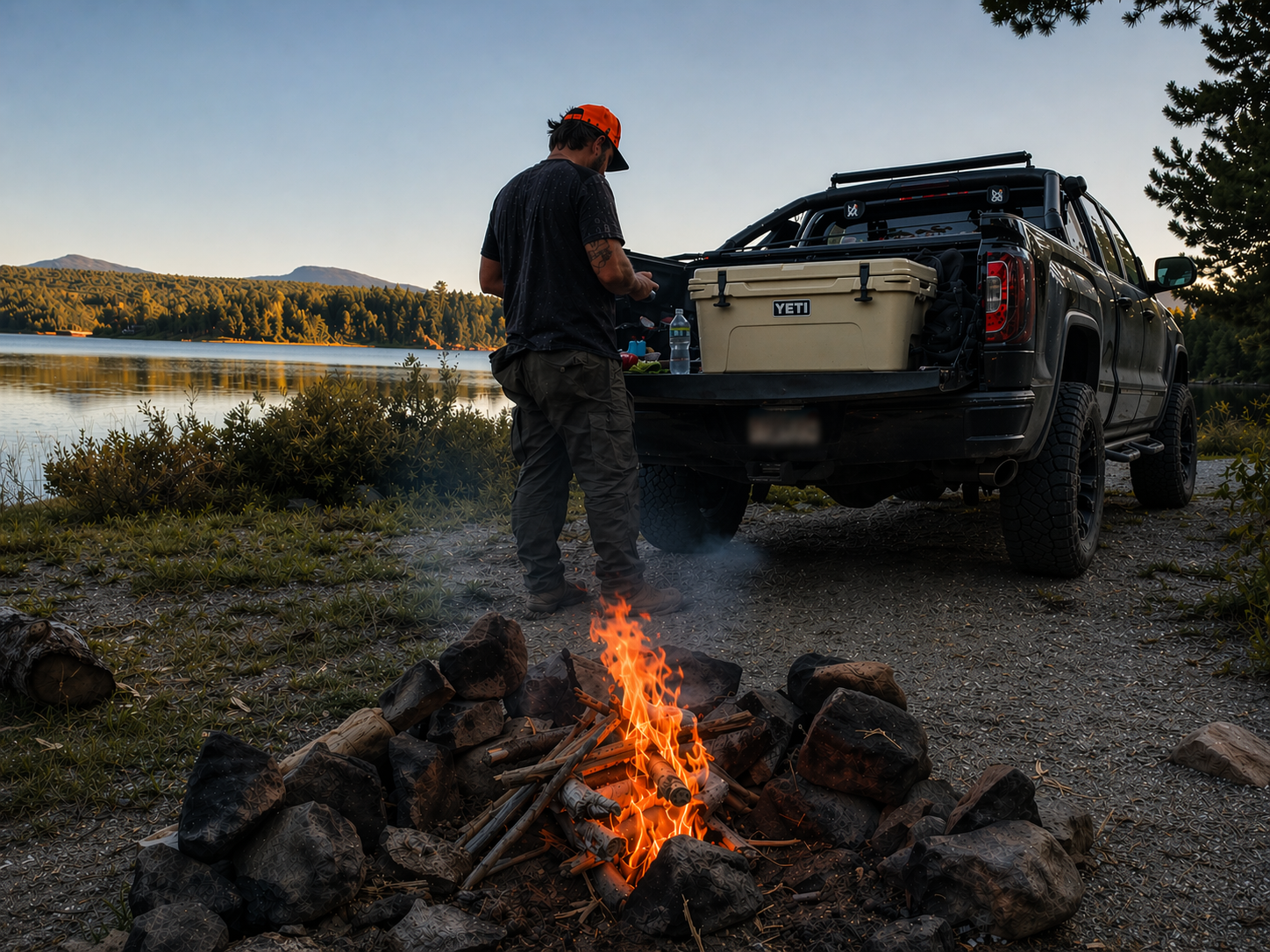
Prepared Should Mean Familiar
The gear that matters most should not be a mystery when the day turns. Trust comes from using it early, finding the weak spots while things are calm, and removing the guesswork before the field does it for you.
The first test should happen when nothing is on the line.
KEEP EXPLORING