
Nalgene vs Water Bladder
Nalgenes and hydration bladders both earn their place outside, but they solve different problems. This comparison breaks down when each one makes sense based on cold weather, warm hikes, cleaning, movement, and reliability.
 Matt Anderson
Nalgenes and hydration bladders are not really competitors. They are tools for different conditions, and the right choice usually comes down to weather, movement, cleaning, and how much simplicity matters.
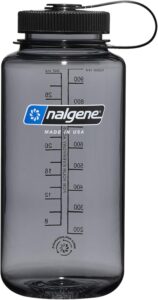 Nalgene 32 oz Wide Mouth Water Bottle
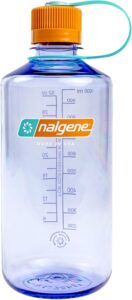 Nalgene 32 oz Narrow Mouth Water Bottle
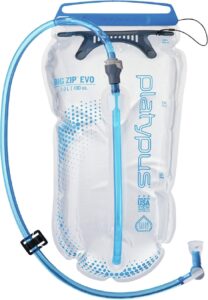 Platypus Big Zip EVO
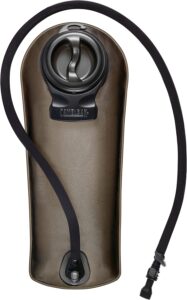 CamelBak 90352 Omega Water Reservoir
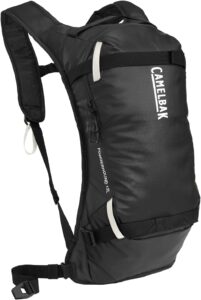 CamelBak Powderhound 12 Snow Hydration Pack
This Is Not Really About Which One Is Better
There is a reason you still see Nalgenes strapped to packs everywhere.
Not because they are trendy. Not because they are insulated. And definitely not because they look cooler than the latest oversized bottle sitting in a cupholder.
They are still around because they work.
At the same time, hydration bladders earn their place too. After enough hiking, hunting, camping, road trips, and long days living out of packs, this stops being a “which one is better” conversation. It becomes a question of where each one actually makes sense.
Why the Nalgene Still Makes Sense
Nalgenes feel boring now, especially in a world full of Yetis, Stanleys, and giant insulated bottles.
But for actual outdoor use, boring can be a compliment.
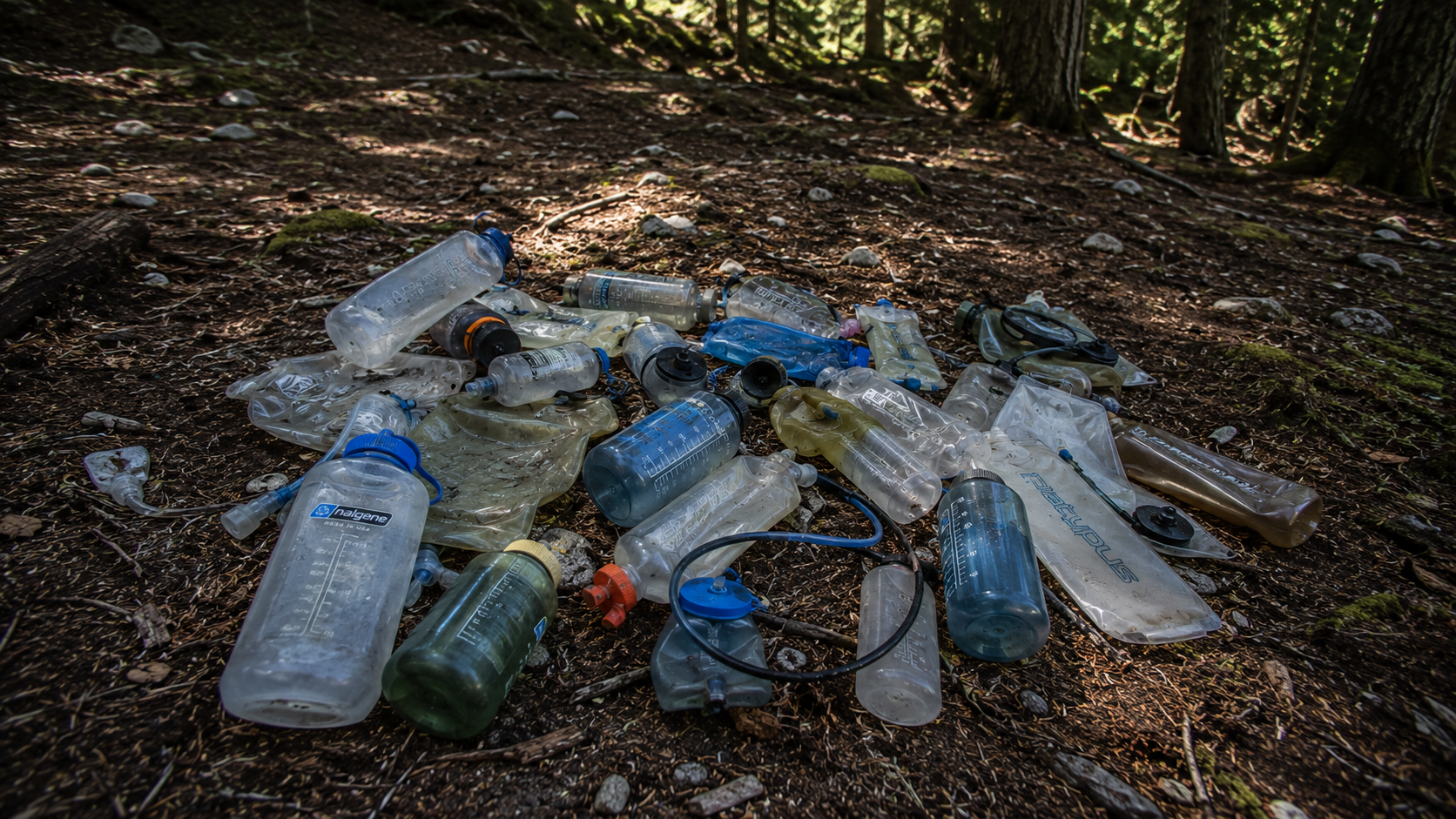
They are lightweight, and that matters once you start carrying gear for miles instead of walking from the truck into an office. A stainless bottle full of water gets heavy fast. A Nalgene does not.
They are also durable in the way outdoor gear needs to be durable. They can get dropped on rocks, frozen overnight, tossed in truck beds, and shoved into overloaded packs without turning into something you have to worry about.
That is the real appeal. Not flash. Not insulation. Trust.
The Versatility Is the Point
A Nalgene is more than a water bottle once you spend enough nights outside.
In cold weather, you can boil water, pour it into a Nalgene, and put it in the bottom of a sleeping bag before bed. That is one of those old tricks that still works because it solves a real problem.
You can freeze them too.
That flexibility matters. A lot of modern insulated bottles are excellent for keeping water cold around town, but they are not always as adaptable once you move beyond everyday use. A Nalgene keeps doing simple things well, and outside, that counts for a lot.
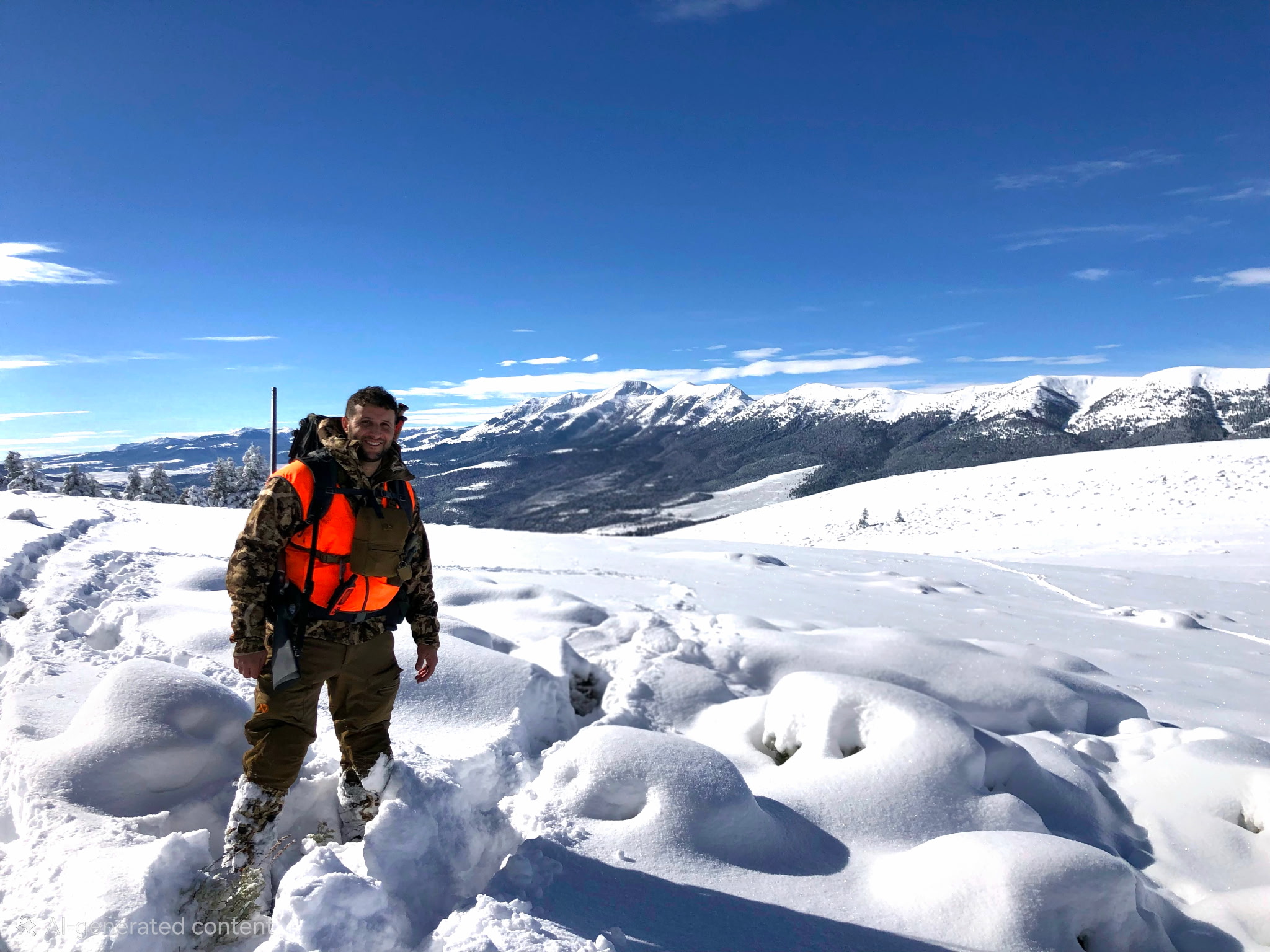
There are few worse feelings than hiking a mountain in 10-degree weather, reaching for water, and realizing your hose is frozen solid.
Where Hydration Bladders Earn Their Place
Hydration bladders absolutely have a place.
For warm weather hiking, scouting trips, mountain biking, or long days covering ground, they are hard to beat. Being able to drink without stopping makes a difference, especially when you are climbing, using trekking poles, moving fast, or carrying a heavier pack.
Most modern hiking and hunting packs are already built around hydration systems, so the integration is easy. Brands like CamelBak, HydraPak, Osprey, and Platypus have helped make modern hydration systems far better than the older versions.
The biggest advantage is simple: when drinking water is easier, you usually drink more of it.
Cold Weather and Cleaning Change the Conversation
The biggest problem with water bladders shows up fast in the cold.
A frozen hose can turn a good system into dead weight. Once the water level drops and the bladder starts icing up, things get even worse. There are few worse feelings than hiking in 10-degree weather, reaching for water, and realizing the hose is frozen solid.
Cleaning is the other issue.
Bladders are useful, but they are never as simple to clean or trust as a normal bottle. Even with rinsing, tablets, or dishwasher-safe parts, there is always that question after one sits too long: did this actually dry?
A Nalgene avoids all of that. Simple bottle. Simple cleaning. No mystery.
How I Choose Between Them
For cold weather hunting, winter hiking, camping trips, truck kits, travel, backup water storage, or any situation where simplicity matters most, the Nalgene usually wins.
For long hikes, warm weather backpacking, early season scouting, mountain biking, high-movement days, or situations where stopping often is inconvenient, the hydration bladder usually makes more sense.
That is the whole lesson. They are not competing for the same job every time. They are tools, and the best choice depends on the conditions.
Newer Does Not Always Mean Better
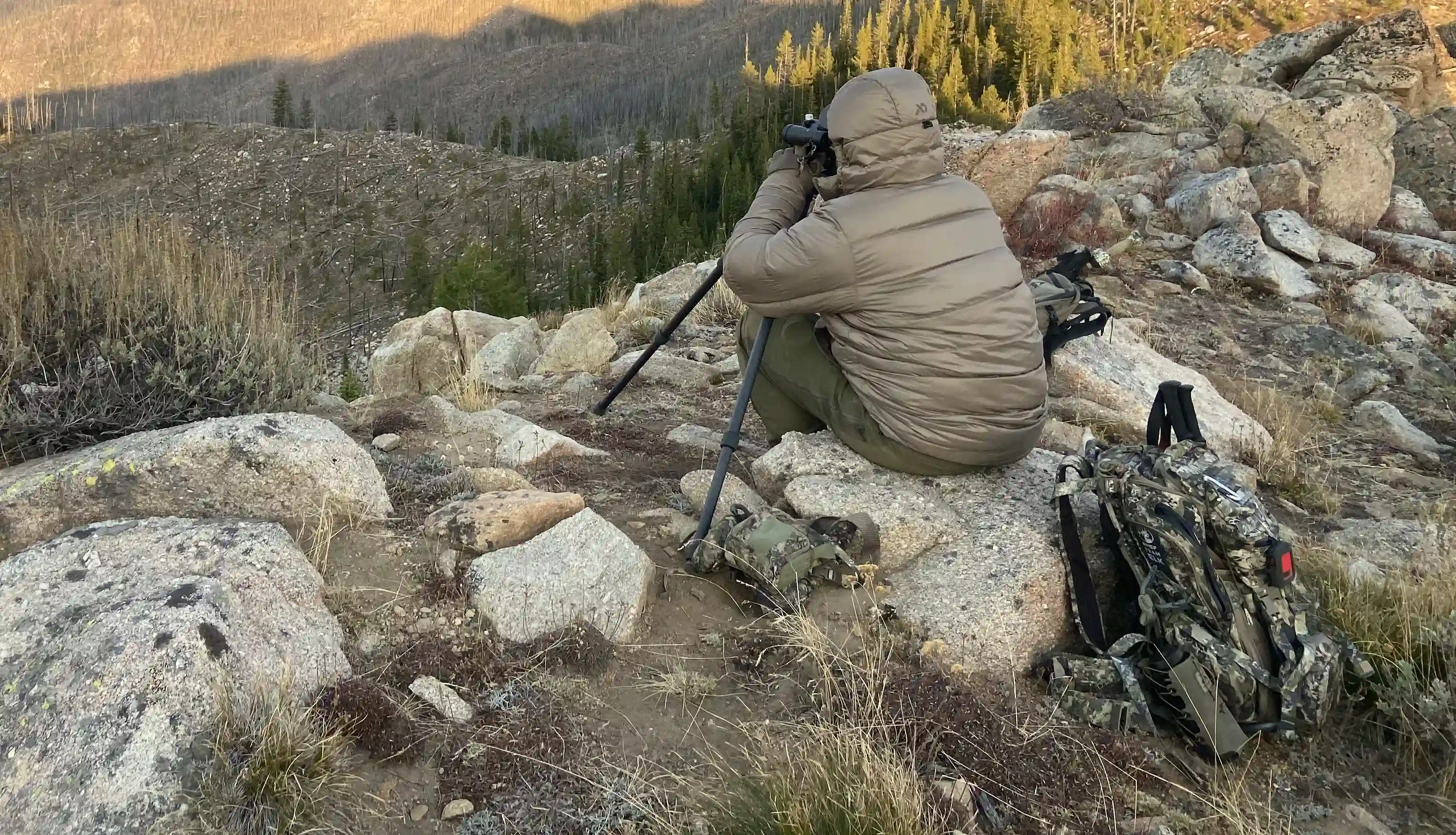
The outdoor industry loves making newer feel like better, but sometimes the thing that has quietly worked for decades is still the right answer. A Nalgene earns its place through simplicity, durability, and trust, while a hydration bladder earns its place when movement and convenience matter most.
The best water system is the one matched to the conditions, not the newest thing in the pack.
KEEP EXPLORING