
Why the Fenix HM70R Became Safety Gear, Not Just a Headlamp
A dependable rechargeable headlamp for hunters who need quiet red-light approaches, strong white-light visibility, and a lockout they can trust inside a pack.
 Matt Anderson
After that, a headlamp stopped feeling like a convenience and started feeling like safety gear.
A dead headlamp during a snowy Montana hike changed what I expect from a light. The HM70R has since handled pre-dawn hunting, river setups, snow, rain, and rough terrain without becoming something I have to think much about. I would recommend it broadly unless minimum weight or minimum cost is the main priority.
What works. What doesn’t.
A clear look at where this gear earns its place and where the tradeoffs begin.
Pros
- Lockout directly prevents accidental pack activation
- Red light works well for low-profile pre-dawn movement
- Strong white output provides useful terrain visibility
- Rechargeable
- Has handled cold, snow, rain, rivers, packs, and rough hunting use without issues
- Versatile enough to cover quiet approaches and more serious safety situations
Tradeoffs
- Heavier than a true ultralight headlamp
- Price may be limiting for a tighter budget
- Long-term durability beyond the first couple of years is still unknown
- Battery aging has not yet been evaluated
The field story
The conditions, decisions, and repeated use behind the conclusion.
The Failure That Changed What I Looked For
I did not start with the HM70R because I wanted a brighter headlamp. I bought it because a cheap light had already failed me in a way that mattered. In Montana, the headlamp in my pack apparently turned itself on, and by the time I needed it for a snowy hike off the mountain, it was dead. That experience made my replacement criteria simple: rechargeable, weather-resistant, red light, and most importantly, a lockout. I did some research, trusted Fenix as an established brand, and the HM70R was available at Cabela's when I went looking. The first time it really separated itself was setting decoys in the Connecticut River, where enough white light to see the river bottom gave me a level of confidence in waders I had never had before.
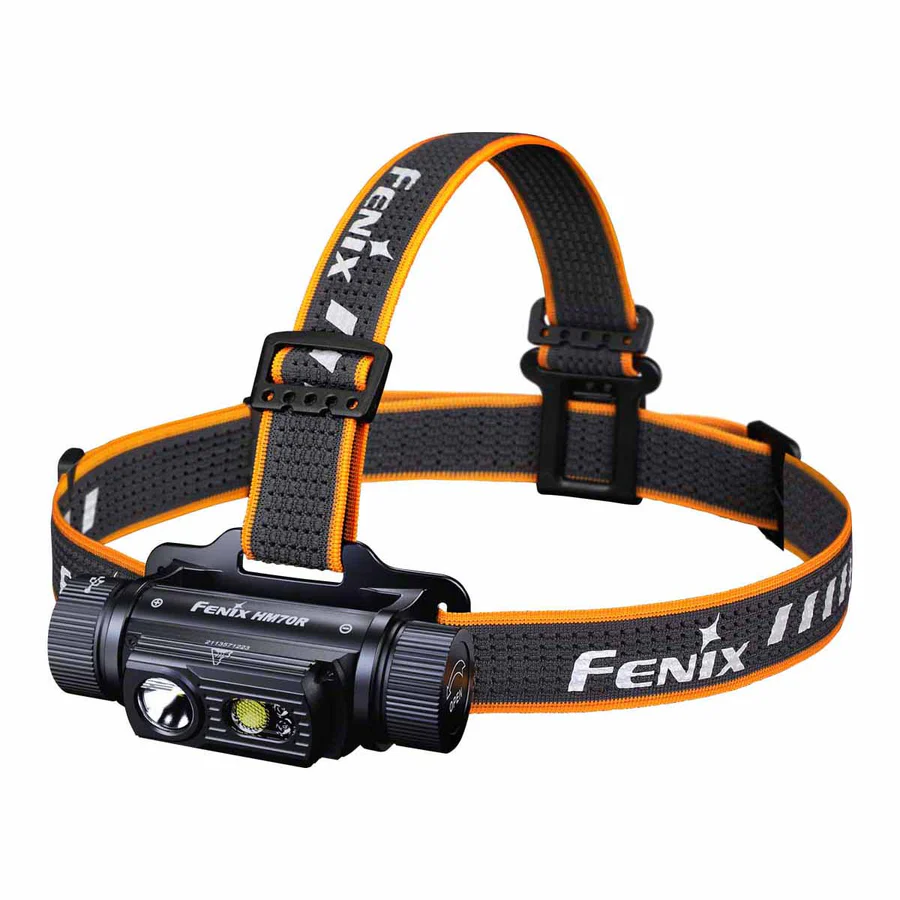
It Has Become One Less Thing to Worry About
The reason it keeps earning a place is not that I walk around using maximum output. Most of the time I do not. I use red light when I am sneaking into hunting areas, dim white when that is enough, and the brighter settings when the terrain starts demanding them. What matters is knowing all of those options are there in one light. It has been through cold, snow, rain, rivers, packs, and rough hunting conditions without giving me a reason to lose confidence in it. When I fell into a chest-deep tree well in Maine, I stopped worrying about being stealthy and turned the white light up. Being able to see the entire area around me helped me figure out how to get myself out. That is why it stays. It has moved beyond convenience and become part of the kit I expect to work when the situation gets worse.
The alternatives and the tradeoff
My comparison is mostly against the inexpensive headlamps I used before it. Those lights could provide illumination, but the accidental activation that left one dead in Montana exposed the difference between having a light and trusting one. The HM70R added the lockout, red light, rechargeable power, and stronger white output I wanted after that experience. I have not compared it head-to-head against other current premium headlamps, so I would not claim it is better than specific competing models.
Performance metrics
The locking mechanism directly solves the accidental activation problem that left my previous headlamp dead inside my pack.
The white output was strong enough to illuminate the river bottom while I set decoys and to light the surrounding terrain when I fell into a chest-deep tree well.
Red light is what I prefer for many pre-dawn approaches because I can see without the same readjustment when the light goes off and can keep a lower profile.
I have used it in cold, snow, rain, rivers, packs, and rough hunting conditions without experiencing a problem. This is field experience, not controlled durability testing.
Battery life has felt solid in normal use and has not become something I regularly worry about. I have not conducted controlled runtime testing.
The price is higher than inexpensive headlamps, but after the failure that changed my buying criteria, the reliability and versatility have made the cost worthwhile for me.
Key takeaways
Treat Your Headlamp Like Safety Gear
If losing your light could change the outcome of the hike, hunt, or walk out, reliability matters more than treating it like another convenience item.
Prevent the Failure You Already Know
The lockout mattered because it directly addressed the failure I had already experienced. Features are more useful when they solve a real field problem.
Red and White Light Solve Different Problems
Red light lets me move quietly before daylight without destroying my night vision. Strong white light becomes more important when footing, terrain, or safety takes priority.
More Light Can Change How You Move
Being able to see the river bottom while setting decoys gave me more confidence in every step and let us work farther out than I had been comfortable doing before.
Trust Is Part of the Value
I have not run laboratory battery or durability tests. What matters to me is that after cold, snow, rain, rivers, packs, and rough hunting conditions, the light has not become something I worry about.
The Light I Trust When Things Get Ugly
Montana taught me that a headlamp can fail before I ever turn it on. The Connecticut River and that tree well in Maine taught me what changes when I trust the one on my head. I do not need the brightest light all the time. I need one light I know can shift from staying quiet to helping me get out of trouble.
FAQ
Why did I replace my previous headlamp with the Fenix HM70R?
My previous light accidentally turned on inside my pack and was dead when I needed it during a snowy hike out in Montana. After that, I specifically wanted a rechargeable light with a lockout, red light, useful white output, and weather resistance.
Why does the lockout matter so much?
It prevents the exact failure that caused the Montana problem. For me, that made it one of the most important features on the light.
Do I actually use the high-output white light while hunting?
Yes, but not all the time. I generally prefer red or very dim white light when moving quietly before shooting light. Strong white light becomes valuable when safety and terrain awareness matter more than staying discreet.
How useful is the red light?
It is one of the main modes I use for pre-dawn big-game hunting. I prefer it because my eyes adjust more easily when it goes off and because it helps me keep a lower profile.
How has it performed around water and bad weather?
I have used it in rain, snow, cold, rivers, packs, and rough hunting conditions without issues. Fenix states an IP68 rating, but I have not independently performed controlled water-resistance testing.
How is the battery life?
It has been solid in normal use and has not become something I worry about much. I have not done controlled battery-runtime testing, so I would not turn that experience into a specific runtime claim.
Is the HM70R ultralight?
No. I do not find it uncomfortable, but someone counting every ounce can probably find lighter options.
Who would I not recommend it to?
Someone whose primary goal is an ultralight setup or who needs to spend as little as possible.
KEEP EXPLORING