First Lite Gear Review: A Field-Tested System Built Over Time

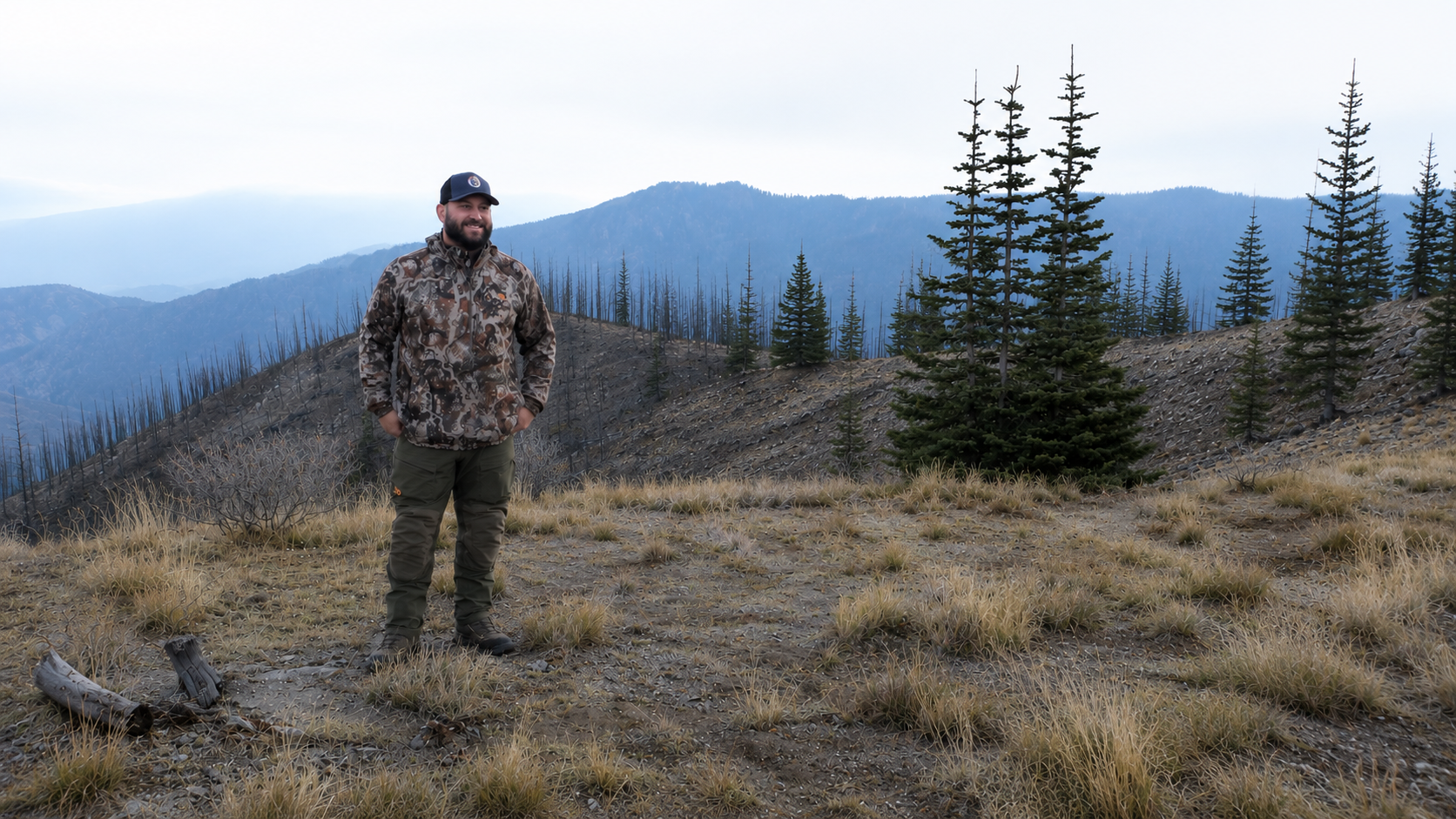
First Lite Corrugate Foundry pants in field conditions

I didn’t set out to build a kit around First Lite. It happened over time, piece by piece, across different seasons, conditions, and hunts.

This is not a catalog of gear or a list of recommendations. It is a breakdown of what I actually use, what has held up, what hasn’t, and how it all comes together in the field.

This First Lite gear review focuses on real use in the field, how First Lite hunting clothing performs over time, and how a practical First Lite layering system actually comes together.


My Best First Lite Gear (Quick Picks)

  • Best All-Around Pant: Corrugate Foundry → Shop
  • Most Comfortable Pant: 308 Pant → Shop
  • Best Base Layer: Kiln → Shop
  • Best Warm Weather Layer: Wick → Shop
  • Best Mid Layer: Origin Hoody → Shop
  • Best Outer Layer: Catalyst jacket (now discontinued — closest current option is the Suppressor Jacket)t → Shop

Is First Lite Worth It?

Short answer:
Yes – if you hunt in changing conditions and need a layering system that works together.

Best for:

  • Western hunts
  • Variable weather
  • Long days in the field

Not ideal for:

  • Casual or local hunting
  • Budget setups

If you are starting from scratch, I would begin with Kiln base layers and Corrugate pants. That combination alone covers more ground than most full kits.


My Go-To First Lite Setup

Cold Weather (25°F, moving):

  • Kiln base layers
  • Corrugate or 308 pants
  • Origin hoody
  • Catalyst jacket

Early Season:

  • Wick base layers
  • Obsidian or Trace pants

I Didn’t Set Out to Build a First Lite Kit

I remember exactly when First Lite first showed up in my kit.

It was a pair of Corrugate Foundry pants, bought ahead of my first trip to Montana.

Up to that point, I didn’t really have a system. I had gear. Some of it was Kryptek, which I actually liked quite a bit at the time. The rest was a mix of whatever I could piece together from Cabela’s, Kittery Trading Post, and anything else that got me through a season.

It worked. But it never really came together.

I had also been watching MeatEater for years. Like a lot of people, I paid attention to the gear, and over time, Steven Rinella being tied to First Lite carried some weight. Not because it was being pushed, but because it never felt like the kind of partnership he would make just to chase a check.

So when it came time to get ready for that trip, First Lite felt like a safe bet.

It also wasn’t completely new to me. A buddy of mine had a few pieces, and every time I handled them, the first thing I noticed was how they felt. Softer. Quieter. Just different from most of what I had been wearing.

The Corrugates were the first piece I actually bought for myself.

They weren’t the last.


The Trip That Changed Everything

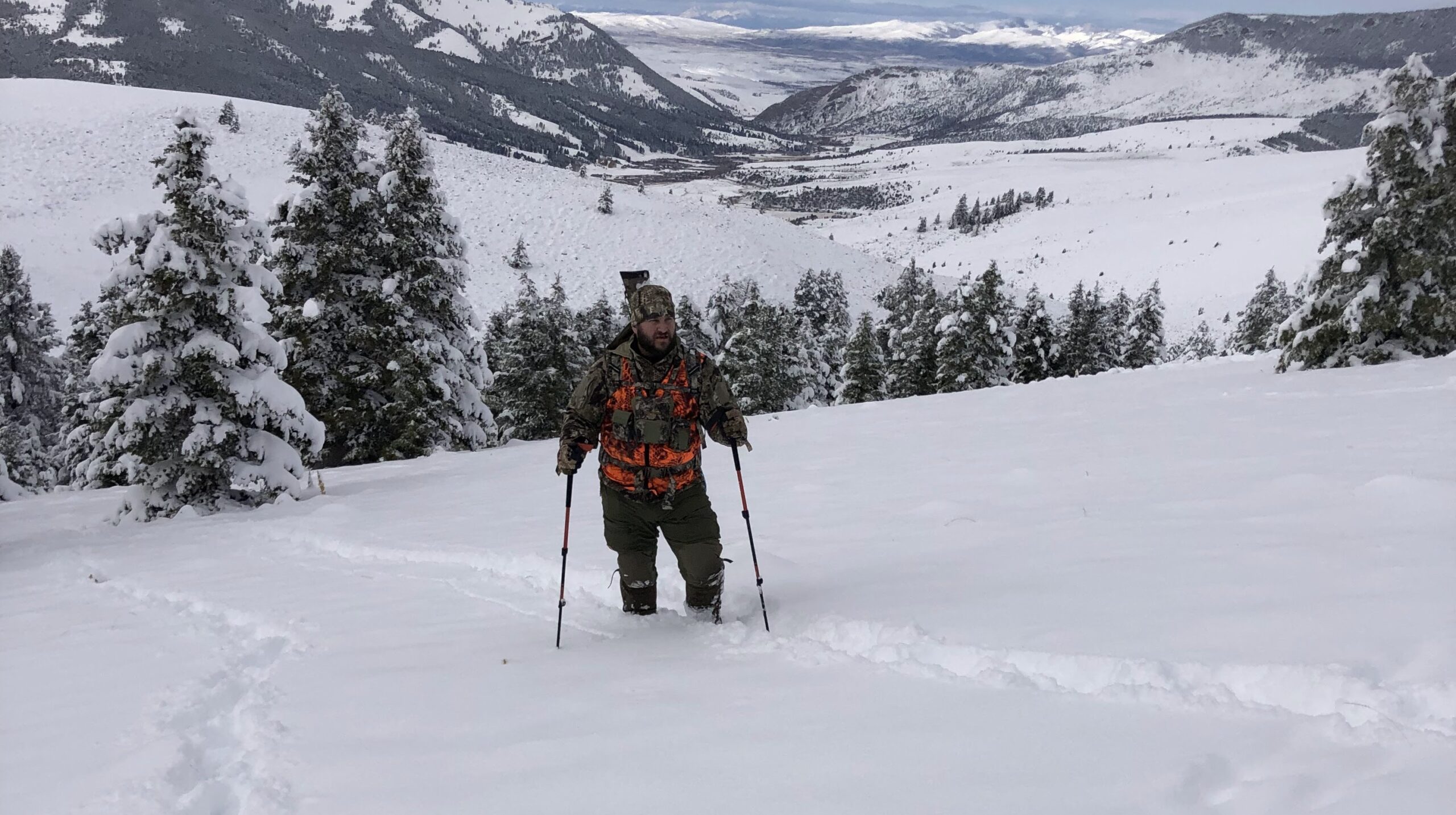
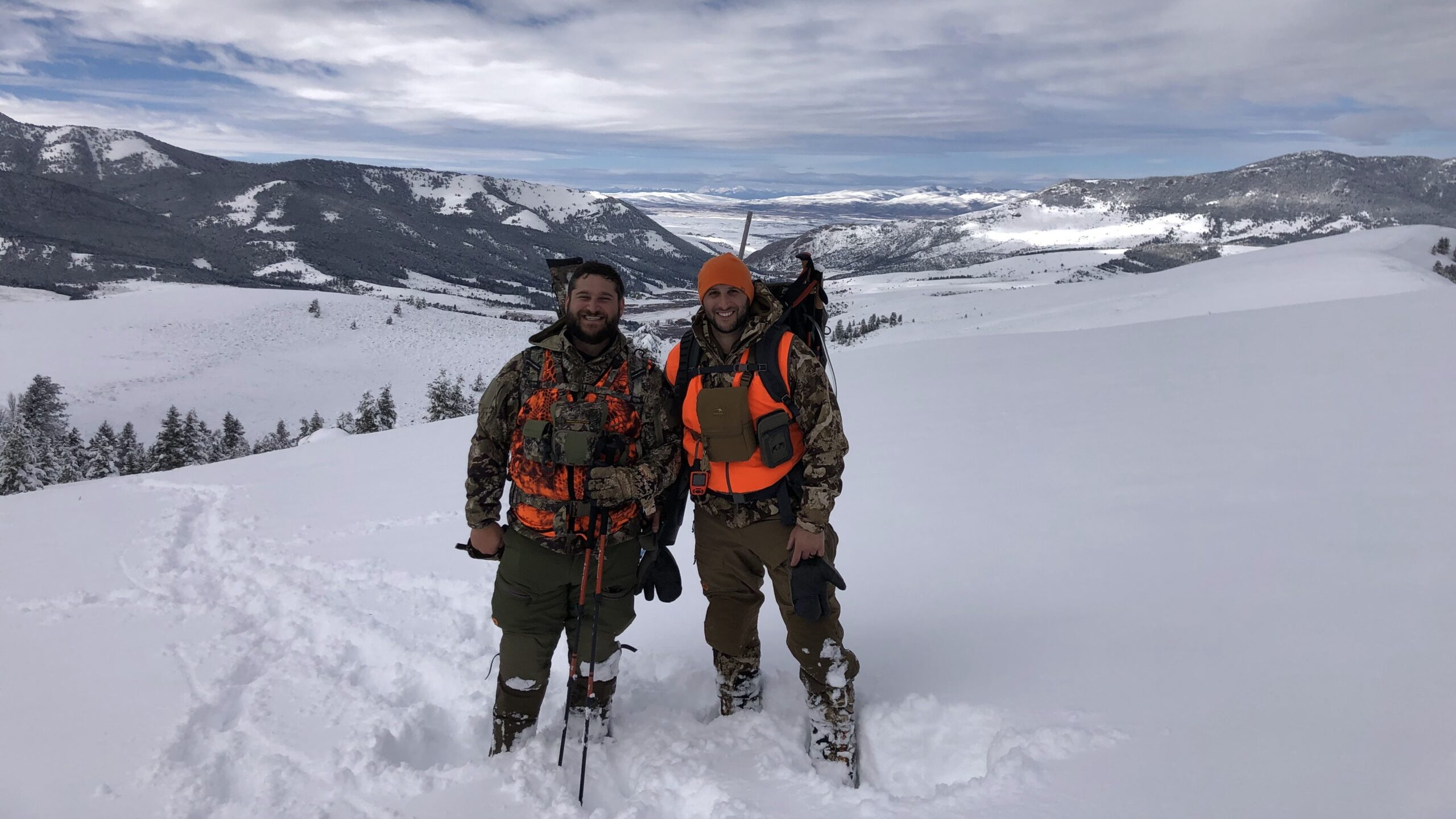
That first trip to Montana didn’t ease me into anything.

We landed to 60-degree weather. Blue skies. It felt like early season back home.

By the third day, it was 10 degrees with about 18 inches of fresh snow.

That kind of swing exposes everything.

The Corrugate Foundry pants held up exactly the way I hoped they would. I go much deeper on those in my Corrugate Foundry deep dive, which you can check out here: Corrugate Foundry Deep Dive

Not everything did.

I had also picked up a set of gaiters for the trip. They didn’t fit. Too tight through the calves. I ended up scrambling to replace them once we got out there, and the originals went to my guide as part of his tip.

That was my first real lesson. Not everything works just because it looks right on paper.

But the bigger shift came from something else entirely.

The base layers.

That was the first time I really understood what people mean when they talk about merino. Temperature swings, long days, changing conditions. Instead of constantly thinking about what I was wearing, I stopped noticing it altogether.

That was new.

Up to that point, I had been trying to piece together a system by buying into a brand and filling in the gaps. With Kryptek, I had some good pieces, but it never fully came together.

This was different.

The base layers didn’t just work on their own. They made everything else work better.

That was the point where it clicked.

I came home and bought more Corrugates.

Then I started building out the base layers.

And from there, everything else got added with a purpose.


Where It Actually Starts: Base Layers

If there is one place where First Lite really clicked for me, it was base layers.

The Corrugates got me in the door, but the base layers are what made everything else make sense. That first Montana trip forced me into conditions that changed fast, and it was the first time I really felt what good merino can do over the course of a long day.

Temperature swings stopped being a constant battle. I was not thinking about adding and removing layers every hour. It just worked in the background.

That was new for me.

Up to that point, I had pieces of gear that I liked, but nothing that really tied everything together. The base layers were the first thing that felt consistent across different conditions, and that is what kept me coming back.

I started with the Kiln line and kept adding from there. I also spent time in the Wick pieces, especially for warmer weather and higher output days. Between the two, I found a combination that covered almost everything I do throughout the season.

I go deeper on how I use these in my full First Lite base layer guide, which you can check out here: First Lite Base Layer Guide

Mike also spent a lot of time with the Kiln specifically and put together a full breakdown of it. If you want a closer look at how that piece performs on its own, his Kiln deep dive is worth reading: Kiln Deep Dive by Mike

The reason I kept buying more base layers was not because I wanted duplicates. It was because they solved a problem I had been dealing with for years without really understanding it. Once that was dialed, everything else I added on top of it started to work better.

That is when it stopped feeling like a collection of gear and started feeling like a system.


Figuring Out Pants Over Time

Pants took a little longer to dial in.

I have tried a good portion of the First Lite lineup at this point, and each one has a place. But they are not interchangeable, and it took some time to figure out where each one actually fits.

The Corrugate Foundry pants are what got me started, and they are still one of the most important pieces in my kit.

If I am going into the field, dealing with variable terrain, brush, or any kind of moisture, that is usually what I am reaching for. They strike a balance between durability, mobility, and weather resistance that is hard to replace. There is a reason they were the first piece that stuck.

The 308 is the one I come back to the most for everything else. I also did a deep dive on these here

It is my default for anything that does not involve harsher conditions. Long drives, weekend hikes, running the dog, even just everyday wear. If I want to be comfortable, that is what I reach for. The lined version has also surprised me. I have worn it under waders in a duck blind, and the warmth and comfort hold up better than you would expect.

Between the Corrugate and the 308, those two cover the majority of what I do. It is less about picking one over the other and more about choosing based on conditions.

At the other end of the spectrum are the Trace and Obsidian.

Those come out for early season. September archery in New Hampshire, scouting trips, or any situation where it is warm enough that you would rather be in shorts but still need full coverage.

The Trace is the lightest option, and you feel that immediately. It breathes well and stays comfortable when you are moving, but it comes with a tradeoff. It is not something I trust if I am pushing through thick brush or really beating up my gear.

That is where the Obsidian tends to win out for me.

It is still comfortable in warmer conditions, but it has a little more substance to it. More durability, a little more confidence when you are not sure what the terrain is going to throw at you. If I had to pick between the two for most early season situations, I usually lean Obsidian.

The Trace is not a bad pant. It just feels more limited in where I want to use it.

If I am being honest, it is probably the one piece in my lineup that I could live without.


Building the Kit Over Time

After the base layers and pants were dialed, everything else started to fall into place.

Not all at once, and not as a complete system. It happened piece by piece, usually tied to a specific trip or a gap I was trying to fill.

For a long time, the Origin hoody was the piece I wore more than anything else outside of my base layers. It just worked across a wide range of conditions. Easy to throw on, comfortable, and it fit into almost any setup without overthinking it.

I just picked up the Navigator hoody, and it already feels like it might take over that role, but that is still early. The Origin has a lot of time behind it.

That is how most of this kit came together. Not by replacing everything at once, but by adding pieces when I needed them and keeping the ones that proved themselves.


What I Actually Wear in the Cold

Cold weather is where this all matters the most.

If you told me it was 25 degrees, no snow on the ground, and the plan was to cover ground until we found a deer, this is what I would reach for without thinking too much about it:

  • Kiln long sleeve up top
  • Kiln bottoms
  • Pants depend on conditions
    • Corrugate if there is any chance of moisture
    • 308 if it is dry and I want the comfort
  • Origin hoody as my mid layer
  • Catalyst shell to finish it off (now discontinued — closest current option is the Suppressor Jacket)

That setup keeps me warm enough to stay out all day, but more importantly, it lets me keep moving without overheating.

There are plenty of small adjustments depending on what the day looks like.

If I am not dealing with abrasive vegetation and want to stay a little lighter, I will sometimes drop the hoody and run a Kiln long sleeve with the Catalyst vest instead. It gives me a little core warmth without locking me into a heavier layer, and it works well when I know I am going to stay in motion.

It is not one perfect setup. It is knowing how the pieces work together and making small adjustments based on conditions.


What Doesn’t Get Used as Much

Not everything in my kit gets the same amount of use, and that is not necessarily a bad thing.

Some pieces are just built for very specific conditions.

The Whitecloud down jacket is a good example. It is an excellent piece of gear, but it is specialized. The one time it really stood out was glassing at elevation on a hunt out in Idaho, around 9,000 feet. That is exactly what it is made for.

Outside of that, I have not had many situations where I needed it.

That said, it still comes with me on trips where there is even a chance I will need that level of insulation. It packs down small, does not take up much space, and when the conditions line up, it makes a difference.

It just is not something I reach for on a regular basis.

That is probably the least-used piece in my First Lite kit, but it still earns a spot when the trip calls for it.


Where First Lite Fits, and Where It Doesn’t

For the first few years I hunted, I wore Under Armour ColdGear as my base layers.

It is what I knew. I came from an athletic background, it worked well enough, and I never really questioned it. I did not realize there was a better option for the kind of conditions I was spending time in.

That is probably the biggest difference now.

The gear I use today is not just comfortable, it is adaptable. I know I can pack it for a wide range of conditions and not have to think too much about whether it is going to hold up.

That said, it is not the only way to do this.

Up in the Maine woods, you will still see guys in blue jeans and a flannel who have been killing deer every year since the 60s. They know their ground, they know their movement, and they do not need anything else.

That matters more than gear ever will.

I do not wear First Lite because I think it is the only option. I wear it because it has proven itself over time, and because I trust it when conditions change.

There are still situations where I mix in other brands depending on what I need, but First Lite makes up the core of what I bring with me.


Is It Worth It

I think it is.

But not for everyone.

If you are hunting close to home, in familiar conditions, and you already have a system that works, you do not need to replace everything just to match a brand.

If you are traveling, dealing with changing weather, or trying to stay comfortable across long days in the field, the difference becomes a lot more noticeable.

For me, it comes down to confidence.

I know I can take this gear just about anywhere and it will do what I need it to do. That is not something I felt early on when I was piecing things together.

There is also another piece to it.

I like supporting brands that are doing something meaningful in the space. Between MeatEater, First Lite, and others in that circle, there has been a real impact on conservation, access, and how hunting is represented.

That does not replace performance.

But when the gear works, it is something I pay attention to.


Pros and Cons

Pros

  • System-based layering actually works
  • High comfort across changing conditions
  • Durable where it matters

Cons

  • Expensive
  • Not all pieces are versatile (Trace, Whitecloud)
  • Takes time to dial in

Related First Lite Reviews


Final Take

I did not set out to build a kit around First Lite.

It happened over time.

One piece led to another. Some things stuck. Some things did not. The base layers changed everything, the pants took some trial and error, and the rest filled in as I figured out what I actually needed.

At this point, most of what I wear in the field comes from First Lite.

Not because I feel tied to it, and not because it is perfect, but because it has earned its place.

And that is really all I am looking for in gear.