
First Lite Wick vs Kiln vs Furnace: How I Actually Use Each Base Layer
First Lite Wick, Kiln, and Furnace are easy to compare by weight, but that is not how they actually separate in the field. Here is how I choose each base layer based on movement, warmth, and how much heat I expect to generate.
 Matt Anderson
The First Lite base layer system makes more sense when you stop thinking only in weights and start thinking about movement.
 Wick Base Layer
 Kiln Base Layer
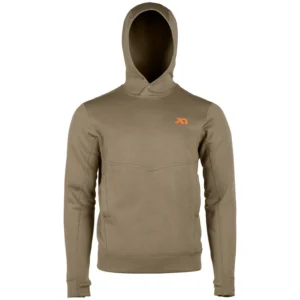 Furnace Base Layer
Base Layer Weight Only Gets You So Far
Most base layer discussions start with weight.
150.200.250
That is useful on paper, but it is not how these layers actually separate once you are hunting. After running First Lite’s Wick, Kiln, and Furnace across multiple seasons, the real difference is movement.
Wick, Kiln, and Furnace can be thought of as lightweight, midweight, and heavyweight, but that only tells part of the story. What matters more is how much ground you are covering, how hot you run, and how quickly you need to dry out.
Wick Is the Layer for Moving
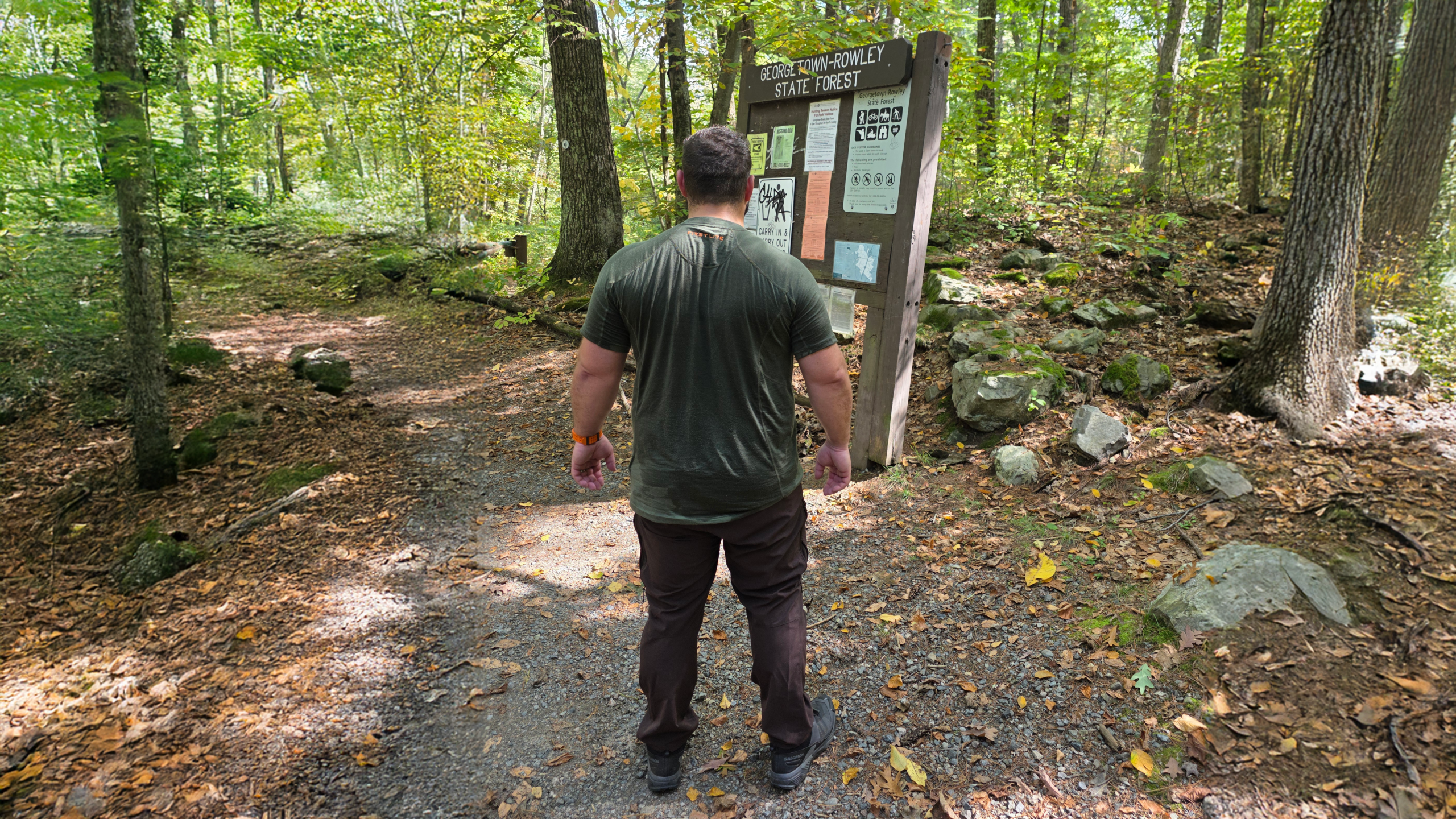
The Wick is what I wear when I know I am going to be moving.
Early season. Warmer Novembers. Any hunt where I am covering ground.
Maine is a good example. No snow means no tracking, so you are walking miles at a time through the woods trying to find sign or bump deer. You get hot fast.
That is where the Wick earns its spot. It moves sweat better than anything else I have used. You can stop for a break, eat something, and by the time you are done, you are dry again.
The tradeoff is obvious. If you guess wrong and end up slowing down, Wick is not going to keep you warm. That is not a flaw as much as using the wrong tool.
Kiln Covers the Most Ground
The Kiln is the workhorse.
Across a full season, this is probably the base layer I end up wearing the most. It hits the middle ground where it is warm enough to matter, but still breathable enough that I am not overheating the second I start moving.
A lot of hunts fall into that range. Not freezing, not hot, some movement but not constant.
That is where the Kiln lives.
If you do not run especially hot, this is likely going to be your default layer. For a deeper single-piece breakdown, Mike’s Kiln deep dive should be linked here once the internal URL is verified.
Weight gives you a reference point. Movement tells you what to actually wear.
Furnace Makes Sense When You Are Not Making Heat
I do not use the Furnace as much.
Not because it is bad. It just runs too warm for how I usually hunt.
This is the cold, low-movement layer. Tree stand sits. Late season hunts. Duck blinds. Any situation where you are not generating much heat on your own and need the layer to do more of the work.
I have worn it under something like the Sitka Gradient Pant in a duck blind in late December in New England. That kind of cold, where you are sitting still and it cuts right through you, is where the Furnace makes sense.
Outside of that, it is easy to overdo it. If you start moving in it and you run hot, you will feel it quickly.
Choose the Layer Based on the Hunt, Not the Number
These are not interchangeable.
They are tools for different jobs.
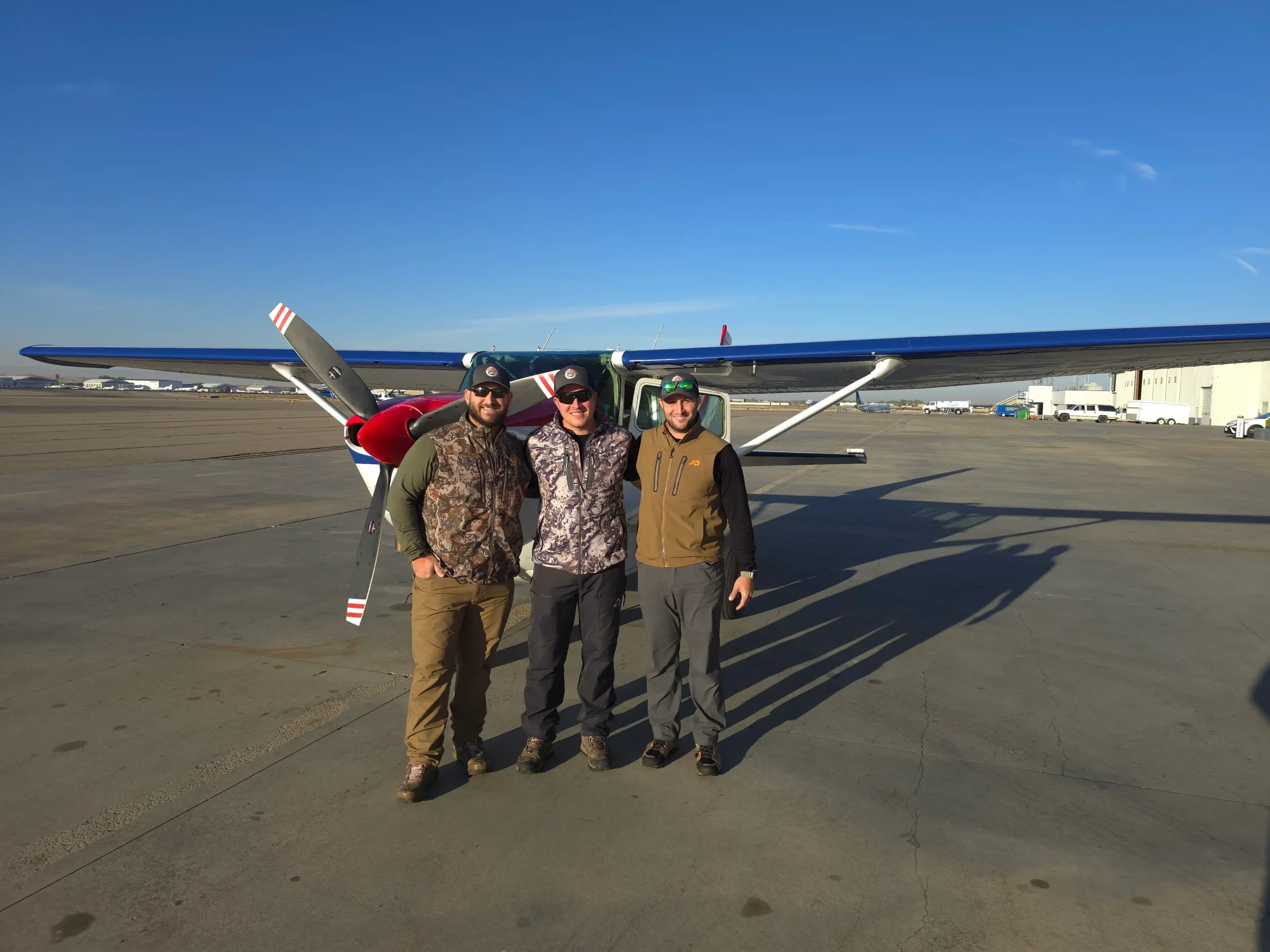
For me, the Wick and Kiln carry most of the season. The Furnace comes in when conditions get specific. Your personal tolerance for heat matters a lot here. I run hot, so my setup leans lighter. Someone else might rely on the Kiln and Furnace much more.
That is why thinking in terms of weight only gets you so far. Weight gives you a reference point. Movement tells you what to actually wear.
First Lite’s Base Layer System Feels Dialed
There are a lot of merino options out there.
After running these across different states, different seasons, and different styles of hunting, this is the most dialed base layer system I have used.
The Wick handles movement and moisture better than anything I have worn. The Kiln ends up being the most versatile piece in the lineup. The Furnace covers the cold when you actually need it.
Once you understand where each one fits, it is hard to justify switching around.
Movement Decides the Layer
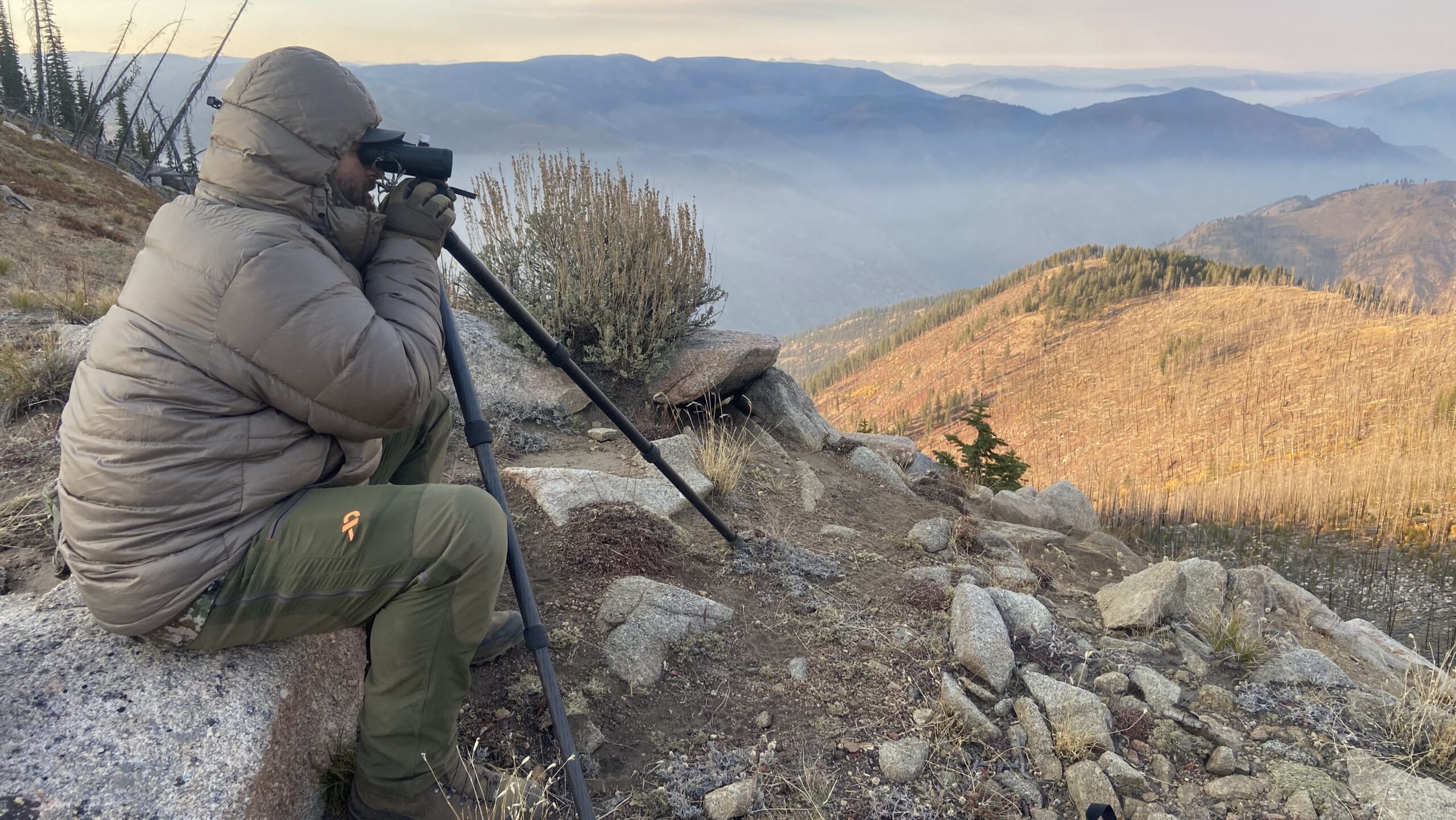
This is not about picking the right weight. It is about knowing how you hunt. If you move a lot, start lighter than you think; if you sit more, added warmth starts to matter.
The right base layer is usually decided by movement before temperature.
KEEP EXPLORING