

Some links on this page are affiliate links. If you purchase through them, we may earn a commission at no additional cost to you. As an Amazon Associate, we earn from qualifying purchases.
We may earn a commission at no extra cost to you.
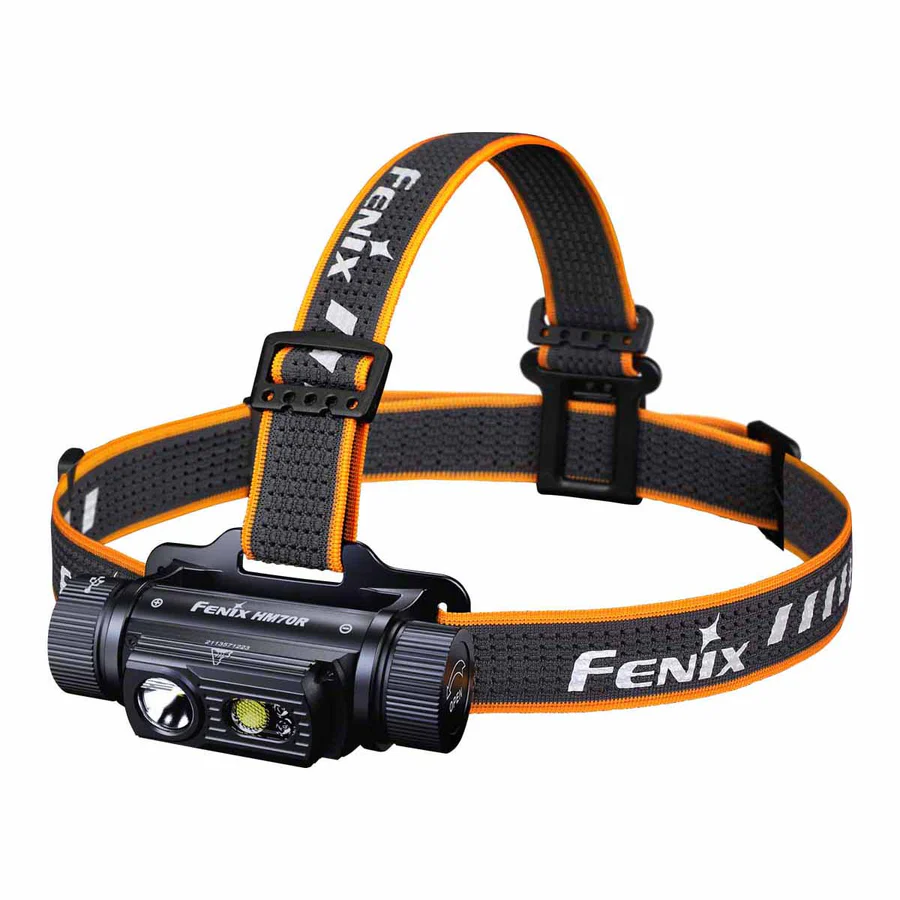
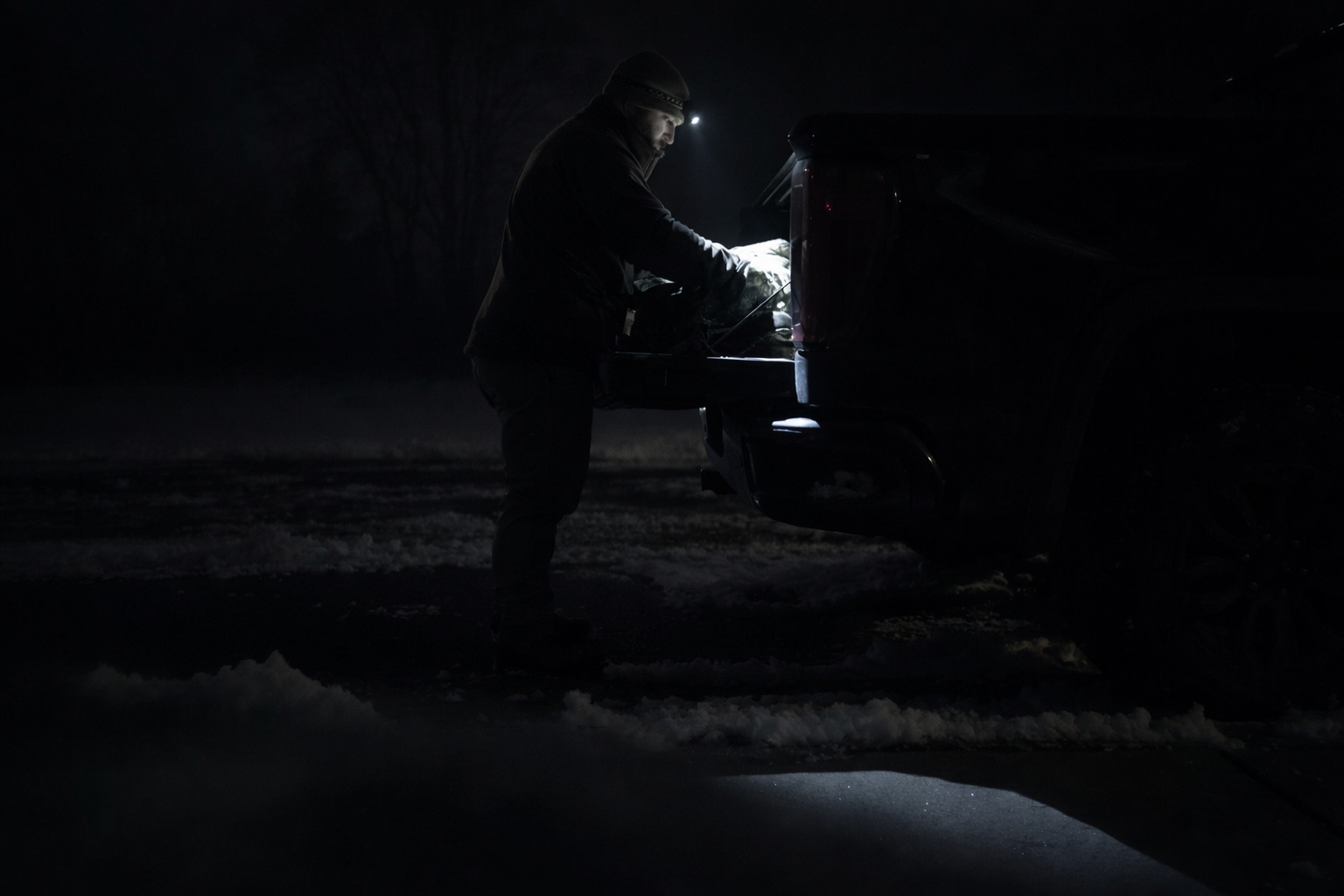
I have used the HM70R during pre-dawn big-game approaches, waterfowl hunting in the Connecticut River, snow, rain, cold, river conditions, and rough timber. On the river, the white light let me see through the water well enough to identify rocks, muck, and drop-offs while setting decoys. In Rangeley in 2025, I fell into a chest-deep tree well roughly 45 minutes before shooting light and used the white light to illuminate the surrounding snow-covered deadfall so I could find places to grip and pull myself out. Those are the situations that shaped my confidence in the light.
Pack Lockout
The locking mechanism directly solves the accidental activation problem that left my previous headlamp dead inside my pack.
White-Light Terrain Visibility
The white output was strong enough to illuminate the river bottom while I set decoys and to light the surrounding terrain when I fell into a chest-deep tree well.
Red-Light Utility
Red light is what I prefer for many pre-dawn approaches because I can see without the same readjustment when the light goes off and can keep a lower profile.
Real-World Weather Exposure
I have used it in cold, snow, rain, rivers, packs, and rough hunting conditions without experiencing a problem. This is field experience, not controlled durability testing.
Battery Confidence
Battery life has felt solid in normal use and has not become something I regularly worry about. I have not conducted controlled runtime testing.
Trust Versus Cost
The price is higher than inexpensive headlamps, but after the failure that changed my buying criteria, the reliability and versatility have made the cost worthwhile for me.
Treat Your Headlamp Like Safety Gear
If losing your light could change the outcome of the hike, hunt, or walk out, reliability matters more than treating it like another convenience item.
Prevent the Failure You Already Know
The lockout mattered because it directly addressed the failure I had already experienced. Features are more useful when they solve a real field problem.
Red and White Light Solve Different Problems
Red light lets me move quietly before daylight without destroying my night vision. Strong white light becomes more important when footing, terrain, or safety takes priority.
More Light Can Change How You Move
Being able to see the river bottom while setting decoys gave me more confidence in every step and let us work farther out than I had been comfortable doing before.
Trust Is Part of the Value
I have not run laboratory battery or durability tests. What matters to me is that after cold, snow, rain, rivers, packs, and rough hunting conditions, the light has not become something I worry about.
My comparison is mostly against the inexpensive headlamps I used before it. Those lights could provide illumination, but the accidental activation that left one dead in Montana exposed the difference between having a light and trusting one. The HM70R added the lockout, red light, rechargeable power, and stronger white output I wanted after that experience. I have not compared it head-to-head against other current premium headlamps, so I would not claim it is better than specific competing models.

Read more in-depth reviews and field guides to help you get outside, prepared, and confident.