GEAR GUIDE

The Best One Person Tents For Camping

A one-person tent is not just for people camping alone. These picks are for campers who want their own sleep space, whether they are camping with friends, pulling into a drive-up site, hiking into camp, or packing light for a weekend trip.

BY GUIDE TO WILD EDITORIAL • INDEPENDENT GEAR RESEARCH
⌁ RESEARCH-BACKED ◈ EDITORIALLY SELECTED ✦ NO BRAND PAID FOR INCLUSION
HOW WE CHOSE THIS GEAR

Built around the decision—not the spec sheet.

This Gear List is based on structured product research, manufacturer specs, retailer data, owner feedback, expert review consensus, and GTW editorial judgment. We focused on tents that make sense for one person first: true 1-person shelters, beginner-friendly freestanding designs, roomier solo options, lightweight crossover tents, and a few specialty picks for ultralight or cold-weather use. Products were evaluated for setup simplicity, livable space, packed weight, weather protection, value, durability signals, and fit for real camping use.
THE GUIDE TO WILD SHORTLIST

The Best Options, Ranked

Every pick has a specific job. Use the award, best-for callout, strengths, and tradeoffs to find the one that matches how you actually get outside.

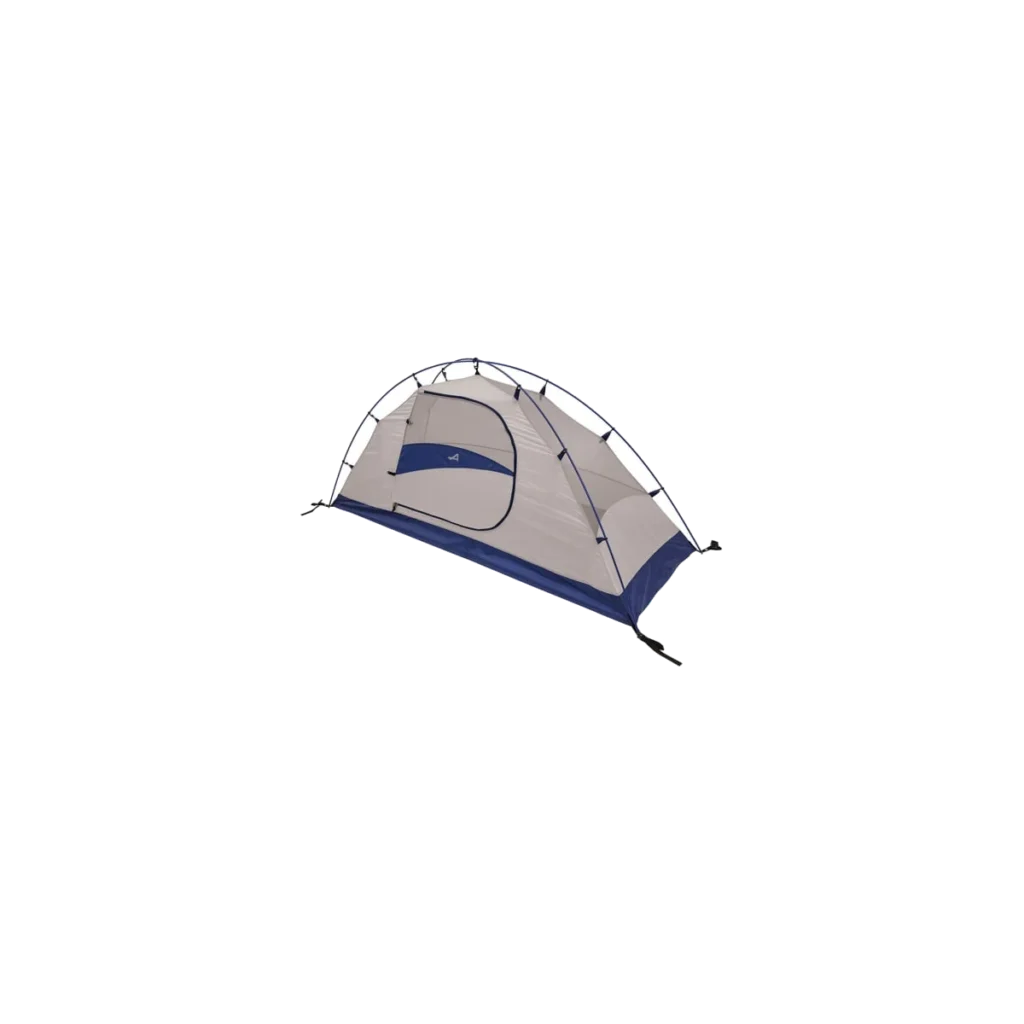
ALPS Mountaineering Lynx 1-Person Tent
Best Budget 1-Person Tent

ALPS Mountaineering Lynx 1-Person Tent

The Lynx 1 is a practical budget pick because it gives solo campers a true freestanding shelter without premium backpacking pricing. It is not especially light, but the straightforward design, vestibule space, and accessible price point make it a strong fit for first-time campers and weekend use.

Sleeping Capacity
1 person
Minimum Weight
3 lb 5 oz
Total Weight
4 lb 1 oz
Floor Area
20 sq ft
Best for
Budget-focused campers who want their own basic 1-person tent for weekend trips.
Strengths
  • Freestanding Two-Pole Setup
  • Durable Polyester Weather Shell
  • Factory-Sealed Fly + Floor Seams
  • Half-Mesh Ventilated Walls
Tradeoffs
  • Too heavy for most serious backpacking use
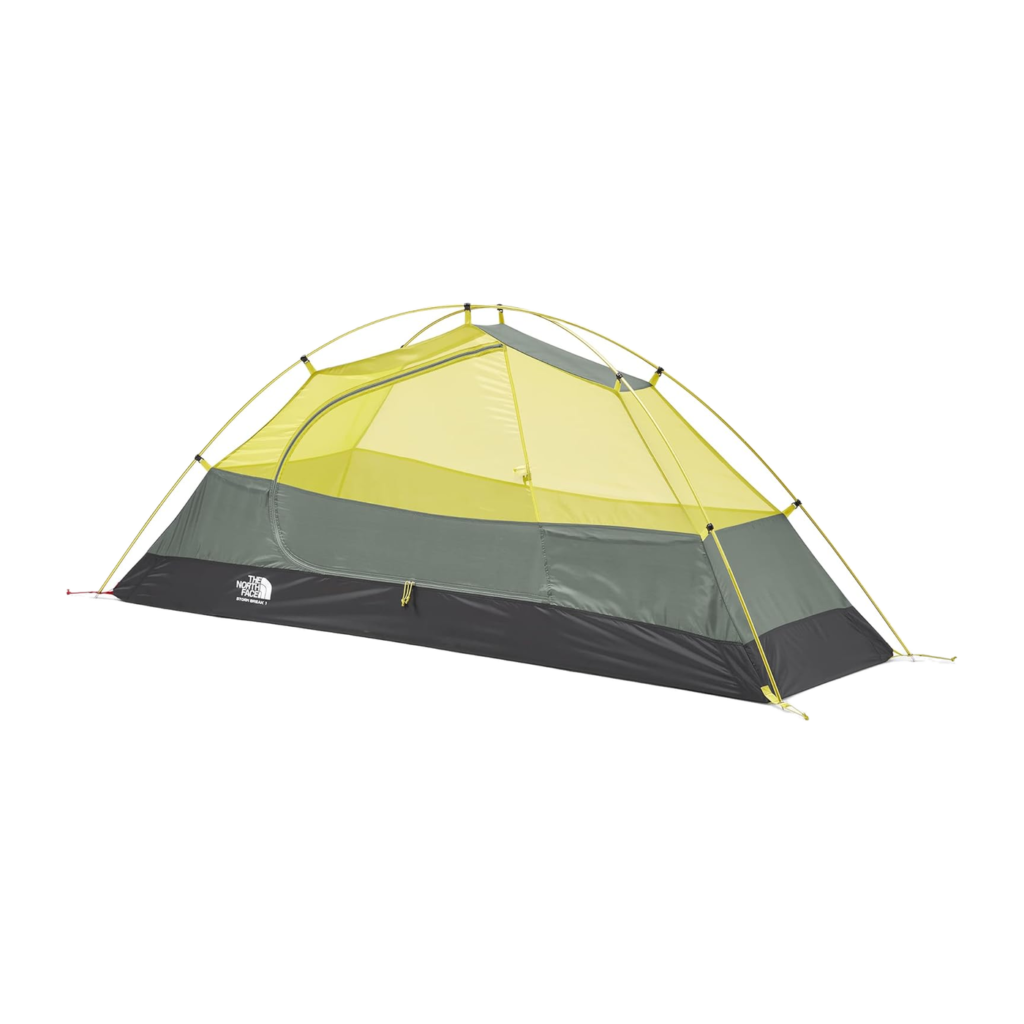
The North Face Stormbreak 1 Tent
Best for Beginners

The North Face Stormbreak 1 Tent

The Stormbreak 1 earns its place as a beginner-friendly solo tent because it keeps the setup simple and the design familiar. It is a better match for new campers who want a sturdy, conventional tent than for ultralight hikers chasing the lowest possible pack weight.

Capacity
1 person
Trail Weight
3 lb 1.4 oz
Total Weight
3 lb 7 oz
Fastpack Weight
2 lb 4.6 oz
Best for
New campers who want a straightforward 1-person tent from a major outdoor brand.
Strengths
  • Large Door + Gear Vestibule
  • High-Low Ventilation
  • Fully Seam-Taped Canopy + Floor
  • Non-PFC Water-Repellent Fabrics
Tradeoffs
  • Specs need verification before publishing
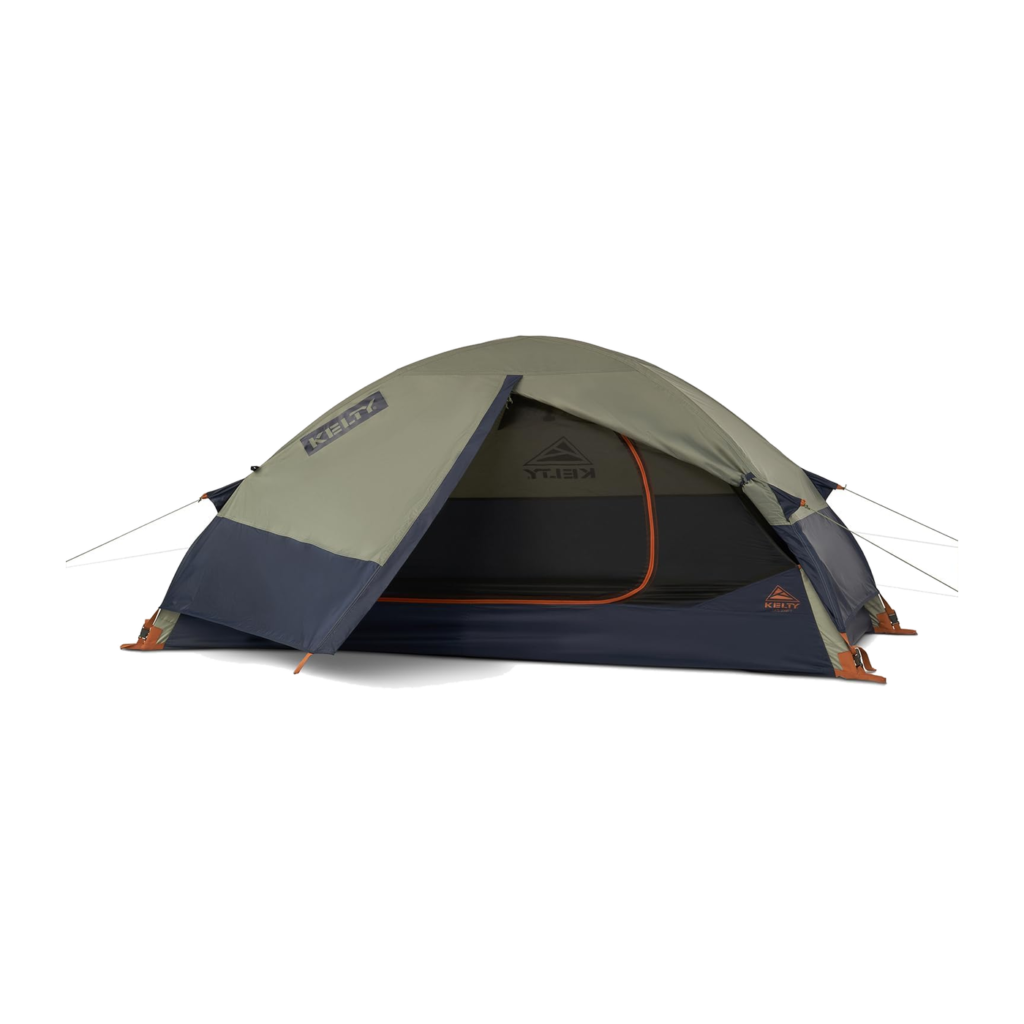
Kelty Late Start 1-Person Tent
Best Quick-Setup 1-Person Tent

Kelty Late Start 1-Person Tent

The Late Start 1 is a good pick for campers who value fast, simple setup over technical weight savings. It fits the casual weekend camper who wants their own shelter, does not want to fuss with complicated pole structures, and may only carry the tent short distances.

MPN
40820624
Minimum Weight
3 lb 9 oz
Packaged Weight
4 lb 1 oz
Dimensions
84 x 38.5 x 29 in
Best for
Weekend campers who want a personal tent that pitches quickly and keeps things simple.
Strengths
  • Quick Corner Setup
  • Short-Segment Aluminum Poles
  • Full-Coverage Vented Rainfly
  • PFAS-Free DWR
Tradeoffs
  • Specs need verification before publishing
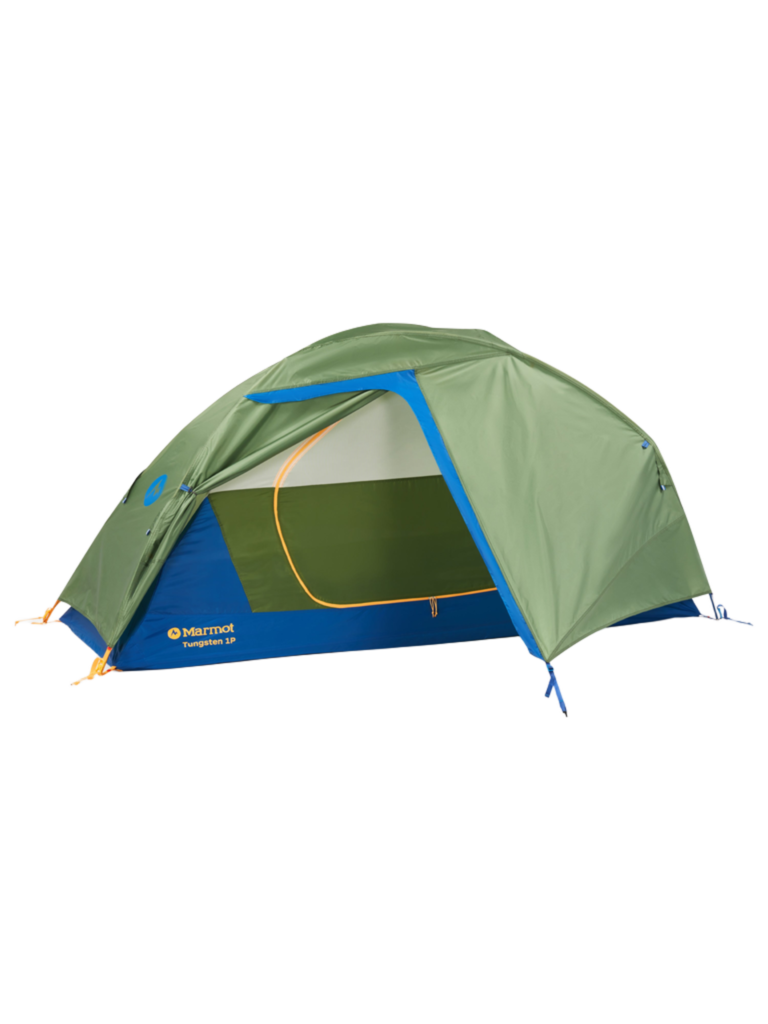
Marmot Tungsten 1-Person Tent
Roomiest 1-Person Tent

Marmot Tungsten 1-Person Tent

The Tungsten 1 is a strong fit for campers who want a true 1-person tent but do not want the most cramped ultralight-style shelter. Its appeal is livability: more usable interior shape, simple setup, and a camping-first feel while still staying compact enough for short carries.

Seasons
3-season
Minimum Weight
3 lb 9.1 oz
Doors
1
Packed Size
18.1 x 5.5 in
Best for
Campers who want a more livable true 1-person tent for weekend trips.
Strengths
  • Freestanding Extra-Headroom Design
  • Full-Coverage Seam-Taped Fly
  • Catenary-Cut Seam-Taped Floor
  • Footprint included
Tradeoffs
  • Specs need verification before publishing
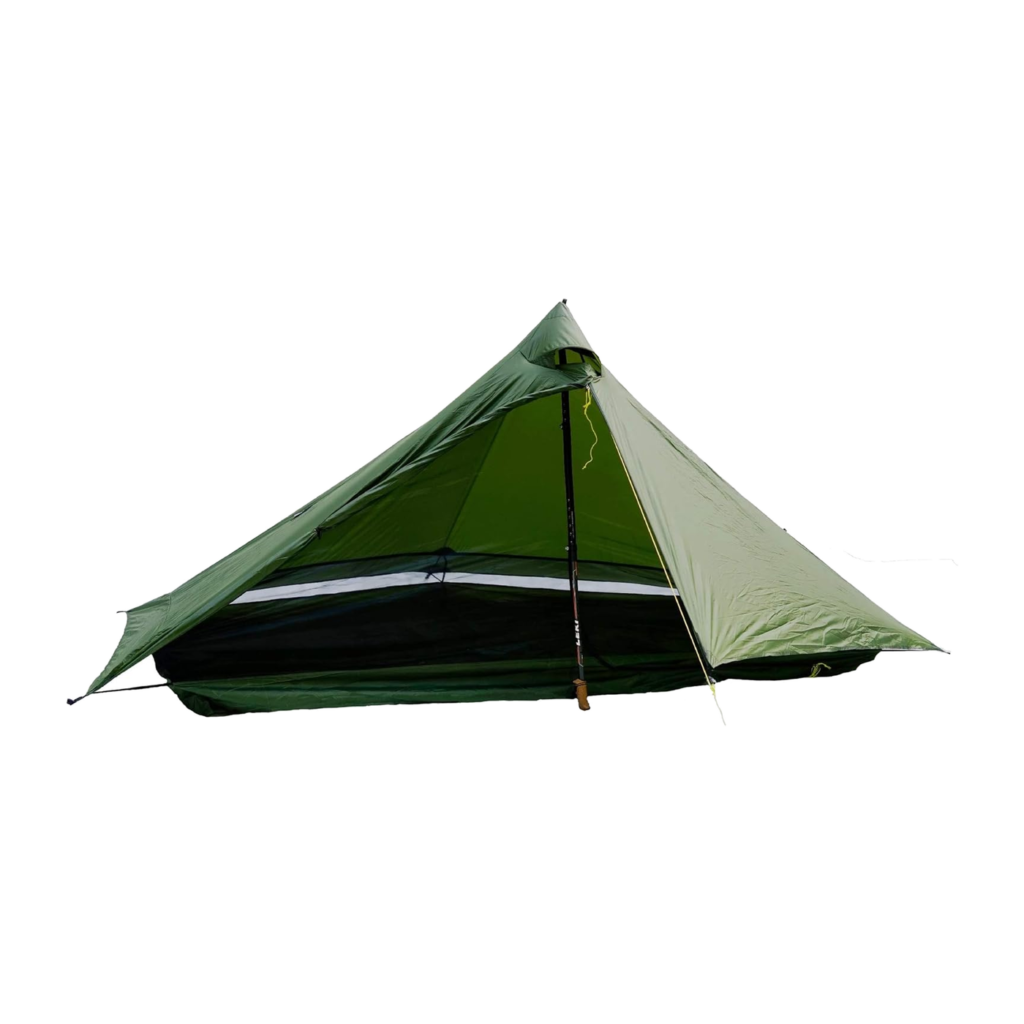
Six Moon Designs Lunar Solo Tent
Best Ultralight Option

Six Moon Designs Lunar Solo Tent

The Lunar Solo is the ultralight-style pick for campers who want a lot of solo floor space without the weight of a conventional freestanding tent. It is best treated as a specialty option on this broad list because the trekking-pole pitch and single-wall design will not be right for every beginner or campground camper.

Weight
26 oz without stakes or pole
Floor Area
26.25 sq ft
Vestibule Area
8.5 sq ft
Peak Height
49 in
Best for
Weight-conscious campers and backpackers who want a roomy solo shelter without premium ultralight pricing.
Strengths
  • 26-oz Single-Pole Shelter
  • 26-sq-ft Interior + 8.5-sq-ft Vestibule
  • Silicone-Coated Polyester Construction
  • Floating Canopy + Bathtub Floor
Tradeoffs
  • Requires a trekking pole or separate support pole
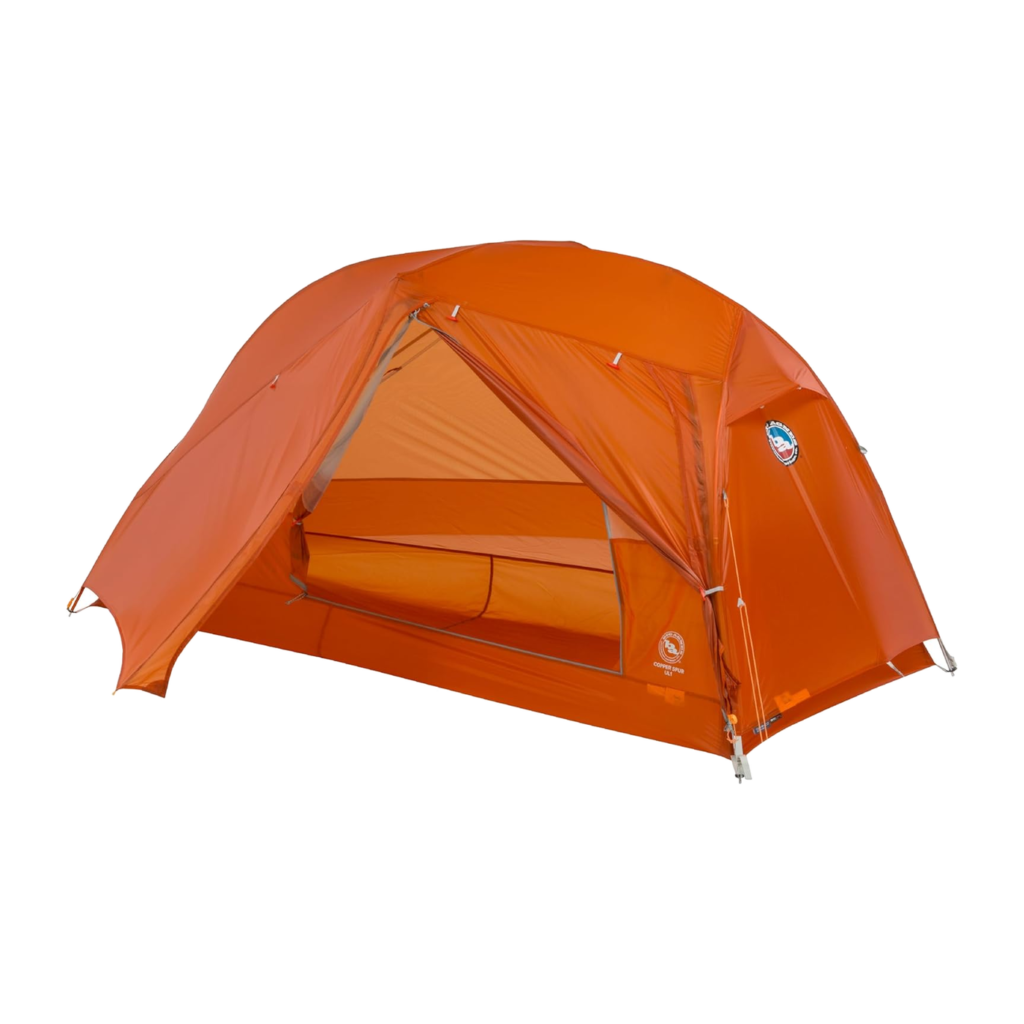
Big Agnes Copper Spur UL1 Tent
Best Lightweight Backpacking Option

Big Agnes Copper Spur UL1 Tent

The Copper Spur UL1 is the lightweight pick that still makes sense on a broad 1-person tent list. It is significantly more backpacking-oriented than basic camping tents, but it keeps a freestanding-style pitch, usable interior space, and a more approachable design than many trekking-pole ultralight shelters.

Minimum Trail Weight
2 lb
Packaged Weight
2 lb 6 oz
Packed Size
18 x 4 in
Floor Dimensions
88 x 38/28 L x W head/foot in
Best for
Campers who want one personal tent that can handle backpacking and walk-in campsites.
Strengths
  • HyperBead Ultralight Fabric
  • High-Volume Freestanding Architecture
  • Awning-Style Vestibule Door
  • 3D Bin + Multi-Zone Interior Storage
Tradeoffs
  • Expensive compared with casual camping tents
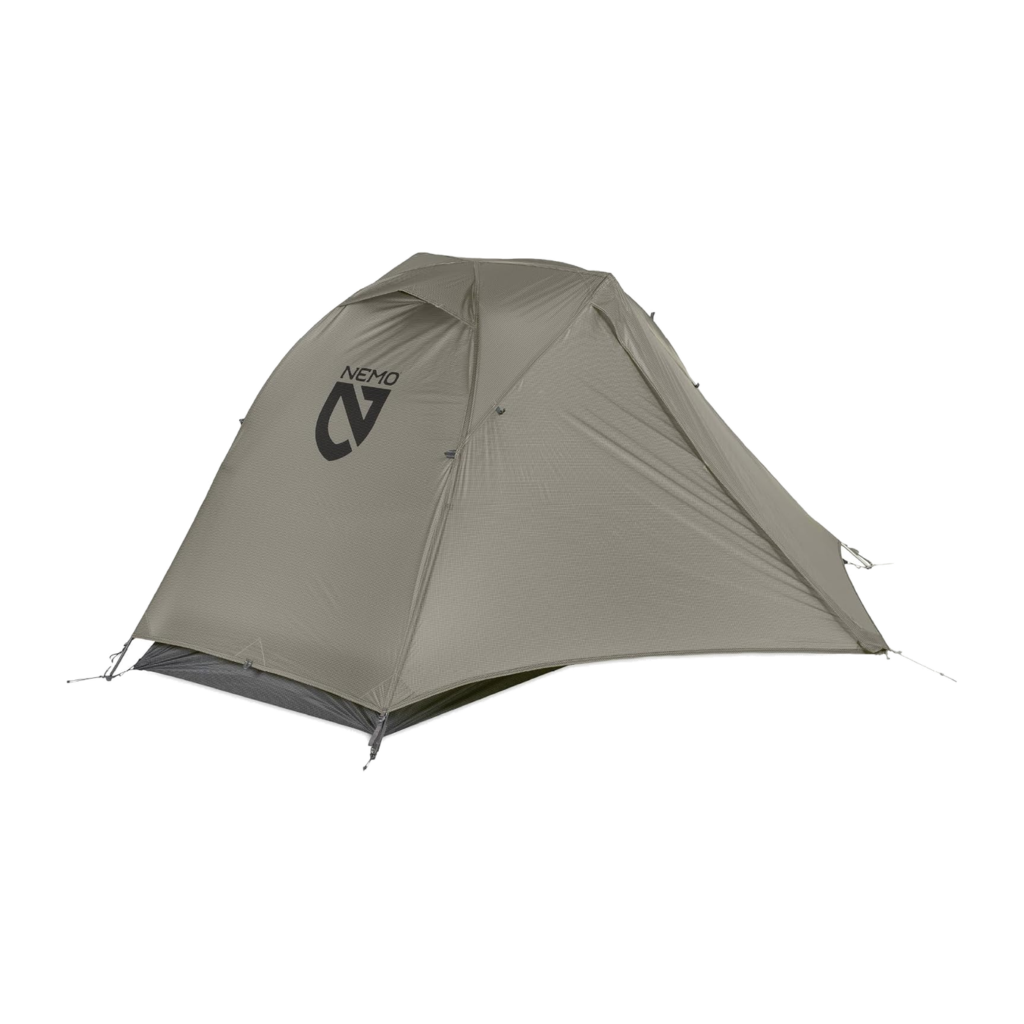
NEMO Dragonfly OSMO 1P Tent
Best Premium 1-Person Tent

NEMO Dragonfly OSMO 1P Tent

The Dragonfly OSMO 1P is a premium solo shelter for campers who want a more refined backpacking-style tent without going fully minimalist. It is a strong fit for buyers who care about weight, interior usability, and material quality, but still want a conventional tent experience.

Minimum Weight
2 lb 3 oz
Packed Weight
2 lb 12 oz
Floor Area
20.5 sq ft
Floor Dimensions
88 x 35/32 in
Best for
Campers who want a higher-end 1-person tent for both camping and backpacking.
Strengths
  • Volumizing Precurve Crossbar
  • PFAS-Free OSMO Fabric
  • Landing Zone Waterproof Gear Tub
  • Integrated Gear + Nightlight Storage
Tradeoffs
  • Premium price point
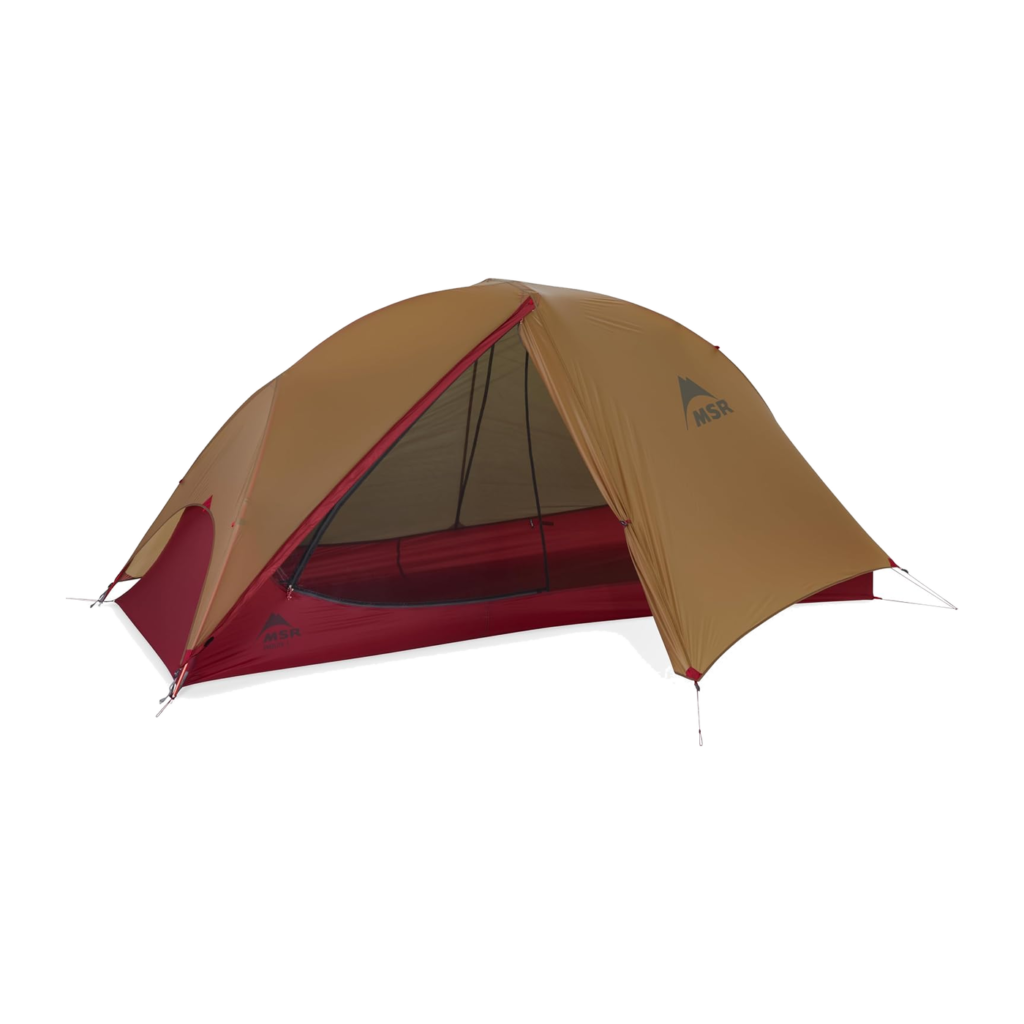
MSR FreeLite 1-Person Tent
Best Packable 1-Person Tent

MSR FreeLite 1-Person Tent

The FreeLite 1 belongs on the list for campers who need their personal tent to pack small and carry easily. It is more backpacking-focused than campground-focused, but it still works as a strong option for solo campers who split time between campsites, walk-in sites, and trail use.

Minimum Weight
1 lb 10 oz
Packaged Weight
1 lb 15 oz
Floor Area
20 sq ft
Vestibule Area
8 sq ft
Best for
Campers who want a compact personal tent for backpacking, walk-in sites, and light camping.
Strengths
  • 1 lb 10 oz Minimum Weight
  • Rectangular 20-sq-ft Floor
  • DAC NFL Semi-Freestanding Frame
  • PFAS-Free Waterproof System
Tradeoffs
  • More technical and expensive than basic camping tents
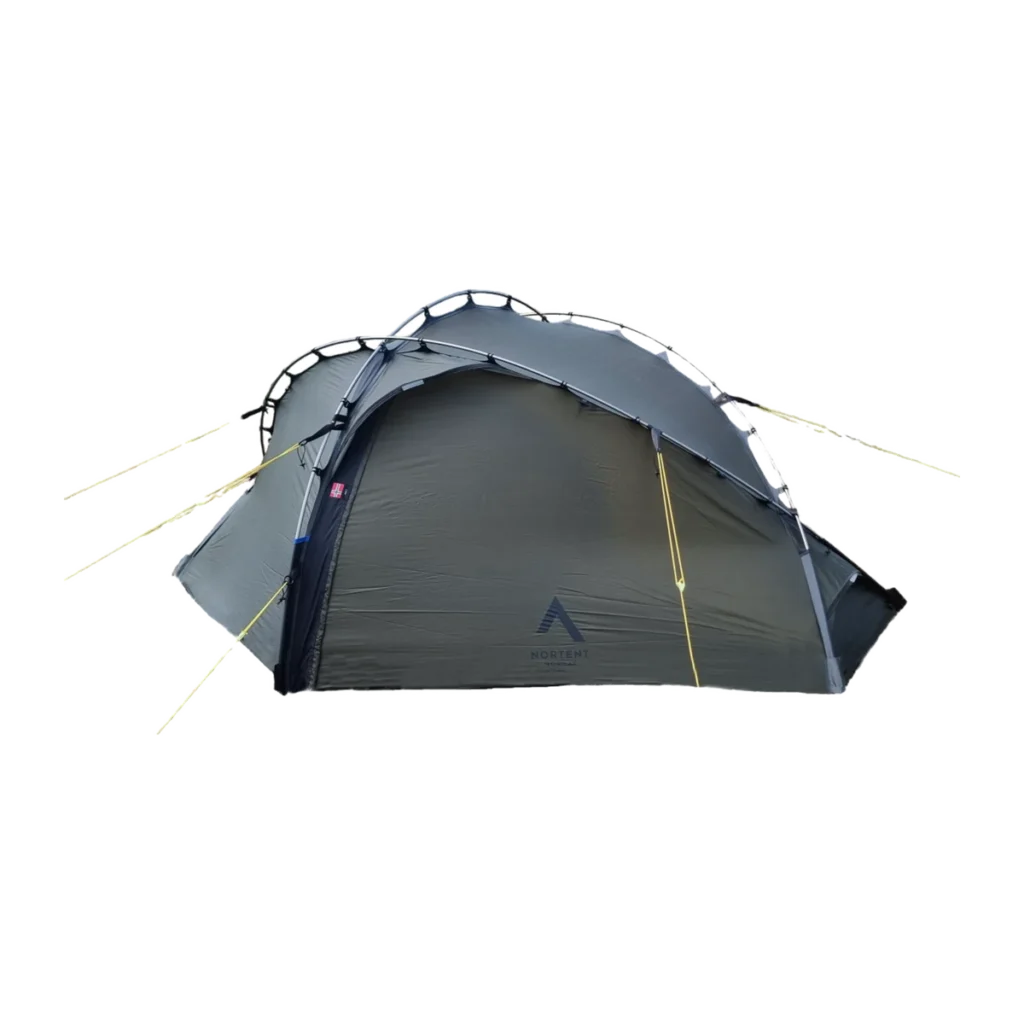
NORTENT Vern 1 Tent
Best Cold-Weather 1-Person Tent

NORTENT Vern 1 Tent

The Vern 1 is the specialty cold-weather pick for campers who need more protection than a standard 3-season solo tent. It is not the right choice for most casual summer campground trips, but it gives the list a serious option for shoulder-season and harsher-condition solo use.

Seasons
4
Capacity
1.5 persons
Minimum Weight
2.3 kg
Maximum Weight
2.8 kg
Best for
Solo campers who need a sturdier shelter for cold-weather or shoulder-season conditions.
Strengths
  • Four-Season Aerodynamic Shelter
  • Three-Valve Ventilation System
  • Large Cooking + Storage Vestibule
  • Double-Poling Capability
Tradeoffs
  • Too specialized for most casual campers
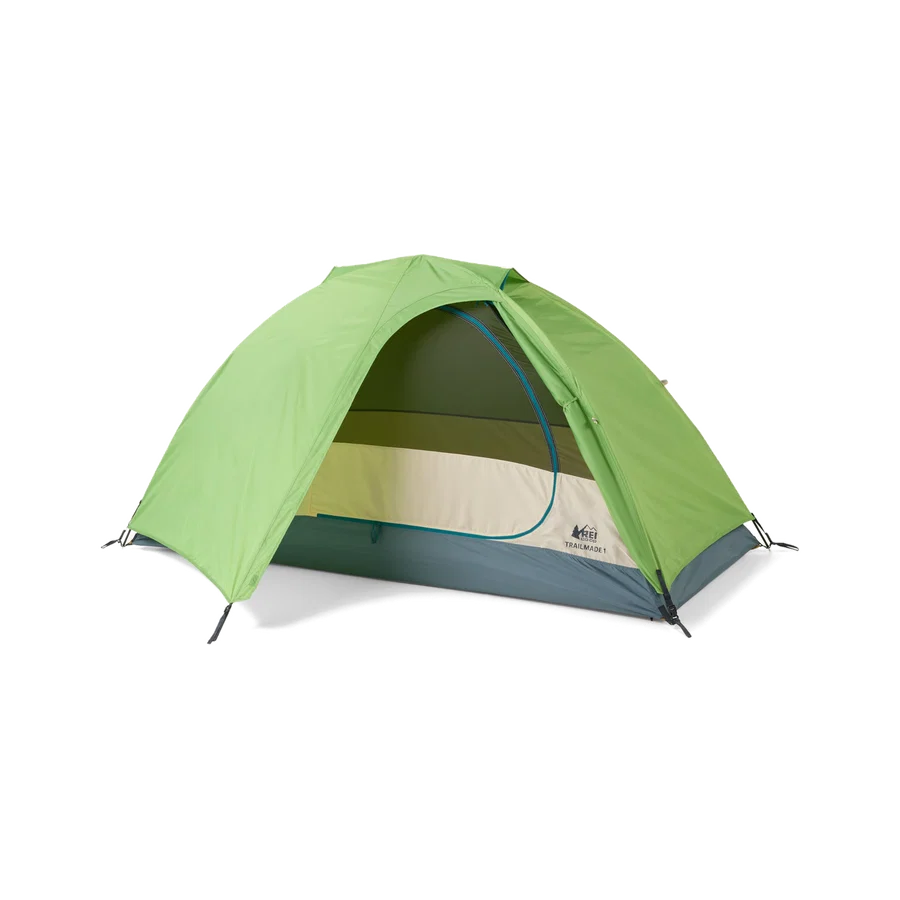
REI Co-op Trailmade 1 Tent with Footprint
Best Overall

REI Co-op Trailmade 1 Tent with Footprint

The Trailmade 1 is the strongest all-around choice for campers who want their own tent without going ultralight or overly technical. It is freestanding, beginner-friendly, reasonably roomy for a true 1-person tent, and includes a footprint, which makes the value case stronger for new and casual campers.

Minimum Trail Weight
3 lb 8 oz
Packaged Weight
4 lb 9 oz
Floor Dimensions
88 x 36.5 in
Floor Area
20 sq ft
Best for
Campers who want their own simple, freestanding 1-person tent for general camping.
Strengths
  • Simple Freestanding X-Pole Setup
  • 20-sq-ft Rectangular Floor
  • Roof-Roll Rainfly Door
  • 9.5-sq-ft Gear Vestibule
Tradeoffs
  • Heavier than ultralight 1-person shelters
BUYING GUIDE

What actually matters before you buy

A one-person tent sounds straightforward, but the category covers everything from minimalist shelters barely larger than a sleeping pad to surprisingly livable tents you can comfortably spend a few nights in. The right choice comes down to how much you value space, weight, weather protection, and ease of setup.

Interior dimensions matter more than the "one person" label. Some tents give you enough room to sit up, change clothes, and keep a little gear inside. Others are essentially weatherproof sleeping pods. Vestibule space can make a major difference by giving boots, packs, and wet gear somewhere to live without taking over your sleeping area.

Weight matters, but it should be considered in context. If the tent is living in your truck or only traveling a short distance from the parking lot, sacrificing comfort to save a pound makes very little sense.

Ventilation and weather protection also deserve attention. A tent that is technically waterproof but constantly covered in condensation is not particularly pleasant to camp in.

Our take: unless you are counting ounces, a little extra room is usually worth far more than a slightly lower packed weight.

A solo tent should feel efficient, not claustrophobic.

OUR PROCESS

How the recommendations were built

0picks with GTW firsthand use
10research-based recommendations

We did not personally test every product on this list. Our picks are based on available manufacturer specs, retailer data, owner feedback, expert review consensus, and GTW editorial judgment. We prioritized tents that solve the personal-shelter problem for campers who want their own space, rather than treating every one-person tent as an ultralight backpacking shelter. No brand paid for inclusion.

QUICK ANSWERS

Frequently Asked Questions

What is the best 1-person tent for most campers?

The best 1-person tent for most campers is usually a freestanding 3-season tent with enough floor space to sleep comfortably and a vestibule for shoes or small gear. For this list, the strongest all-around fit is a tent that balances easy setup, livability, reasonable weight, and value instead of chasing the lowest possible packed weight.

Is a 1-person tent only for camping alone?

No. A 1-person tent is also useful when you are camping with friends but want your own sleep space. That is often a better setup for new campers, group trips, and situations where each person wants their own gear, schedule, and sleeping arrangement.

Should I buy a 1-person or 2-person tent for camping?

Choose a 1-person tent if you want a smaller, lighter, more personal shelter. Choose a 2-person tent if you are driving to camp and want more room for gear, a wider sleeping pad, or better comfort during bad weather. For backpacking, a 1-person tent usually makes more sense unless you are willing to carry extra weight for space.

Are ultralight 1-person tents worth it?

Ultralight 1-person tents are worth it when you are backpacking, hiking into camp, or trying to keep your pack weight low. They are usually not the best first choice for casual drive-up camping because they cost more, require more careful setup, and often trade interior comfort for weight savings.

What should beginners look for in a 1-person tent?

Beginners should look for a freestanding or mostly freestanding tent, simple pole structure, good ventilation, enough room to sit up, and a vestibule for shoes or small gear. An included footprint is also helpful because it protects the tent floor and removes one more buying decision.

Can you use a 1-person tent for cold-weather camping?

Some 1-person tents can handle shoulder-season conditions, but most standard camping tents are designed for 3-season use. For winter, snow load, heavy wind, or extended cold-weather camping, look for a stronger 4-season or cold-weather shelter instead of relying on a basic summer camping tent.

KEEP EXPLORING

Related Systems & Field Content

Go deeper with the product pages, field-tested reviews, systems, and guides connected to this list.

Gear ListBest Camping Coolers of 2026Explore on Guide to Wild →Gear ListThe Best Camping Chairs of 2026Explore on Guide to Wild →Gear Deep DiveThe North Face One Bag Deep Dive (Field Tested)Explore on Guide to Wild →