
How I Choose My Fishing Gear: Lessons from Maine Bass Fishing
Years of Maine bass fishing changed how I choose gear, from carrying less tackle and learning finesse rigs to dialing in spinning gear and balancing rain protection with all-day comfort.
 Kim Hart
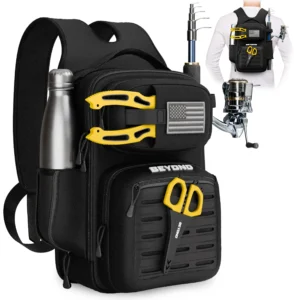 Beyond Braid Voyager Mini Backpack
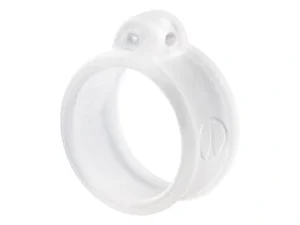 VMC crossover rings
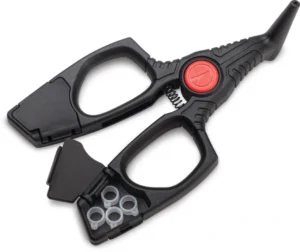 VMC crossover rings and applicator system
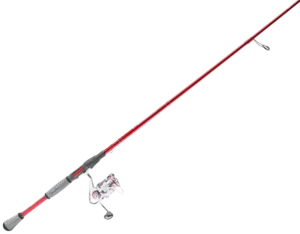 Johnny Morris Platinum Signature Spinning Combo
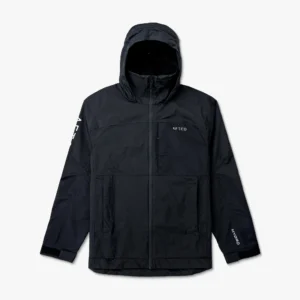 AFTCO Hydro Waterproof Fishing Jacket
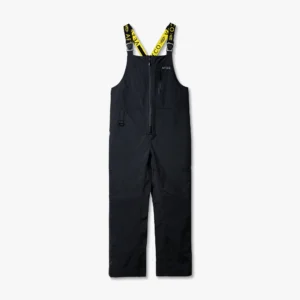 AFTCO Hydro Waterproof Fishing Bib
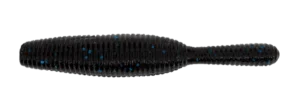 Yamamoto Baits Yamatanuki
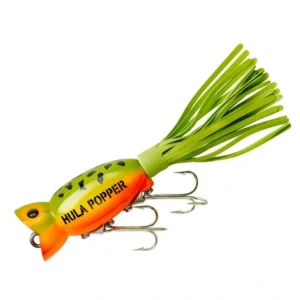 Arbogast Hula Popper
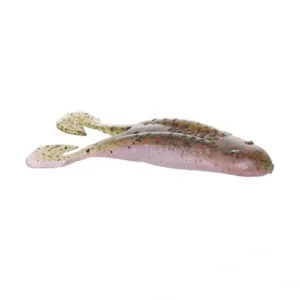 Zoom Baits Horny Toad
How my gear choices change
My dad's old four-drawer Plano tackle box is still in my shed. It's organized, full of gear, and useful when family needs tackle or a tournament calls for a different presentation. Some of the soft plastics in it have never been opened. I grew up carrying a box like that and kept fishing that way into my mid-twenties. Eventually, I realized how much tackle I was hauling around without ever putting it in the water.
I see the same questions in more than my tackle storage. I want gear that lets me fish comfortably, work a bait the way I intend, and spend less time fighting the equipment. Confidence matters to me, but I've also had to learn when to question it. Some of my favorite presentations started with a hook I didn't trust or a bait I hadn't figured out.
Carrying what I actually fish
The big tackle box was always in the way in a small boat. I'd step over it, trip over it, and rummage through it looking for something. Carrying it along a bank, through weeds and over rocks, made even less sense. There wasn't one trip when I decided to change everything. I gradually moved toward smaller bags and discovered how much I liked fishing with less.
The Beyond Braid Voyager Mini Backpack fits that way of fishing. It holds my soft plastics, hooks, weights, pliers, scissors, and a handful of hard baits without feeling bulky. I can take it pond hopping, along a riverbank, or into a smaller boat. Most days, Senkos, Yamatanukis, curly-tail worms, and a small topwater box cover a lot of what I want to do.
I don't believe a smaller bag automatically raises my catch rate. It helps with the part of fishing that happens in my head. When the bite slows down, it's easy to keep reaching for another lure, certain the answer must be somewhere in the box. Pretty soon, I'm spending more time tying knots than fishing. Carrying fewer options makes it easier to stay with a presentation I know. The old Plano still gives me a reserve to draw from when the day calls for something else.
Why one frog feels right to me
My family can make a strong case for the Zoom Toad. My uncles and cousins have caught some of their biggest fish on it. I still haven't developed the same trust. I prefer a hollow-body twitch frog, especially in thick pads, because I can slow it down, dance it in place, and leave it floating where I want it.
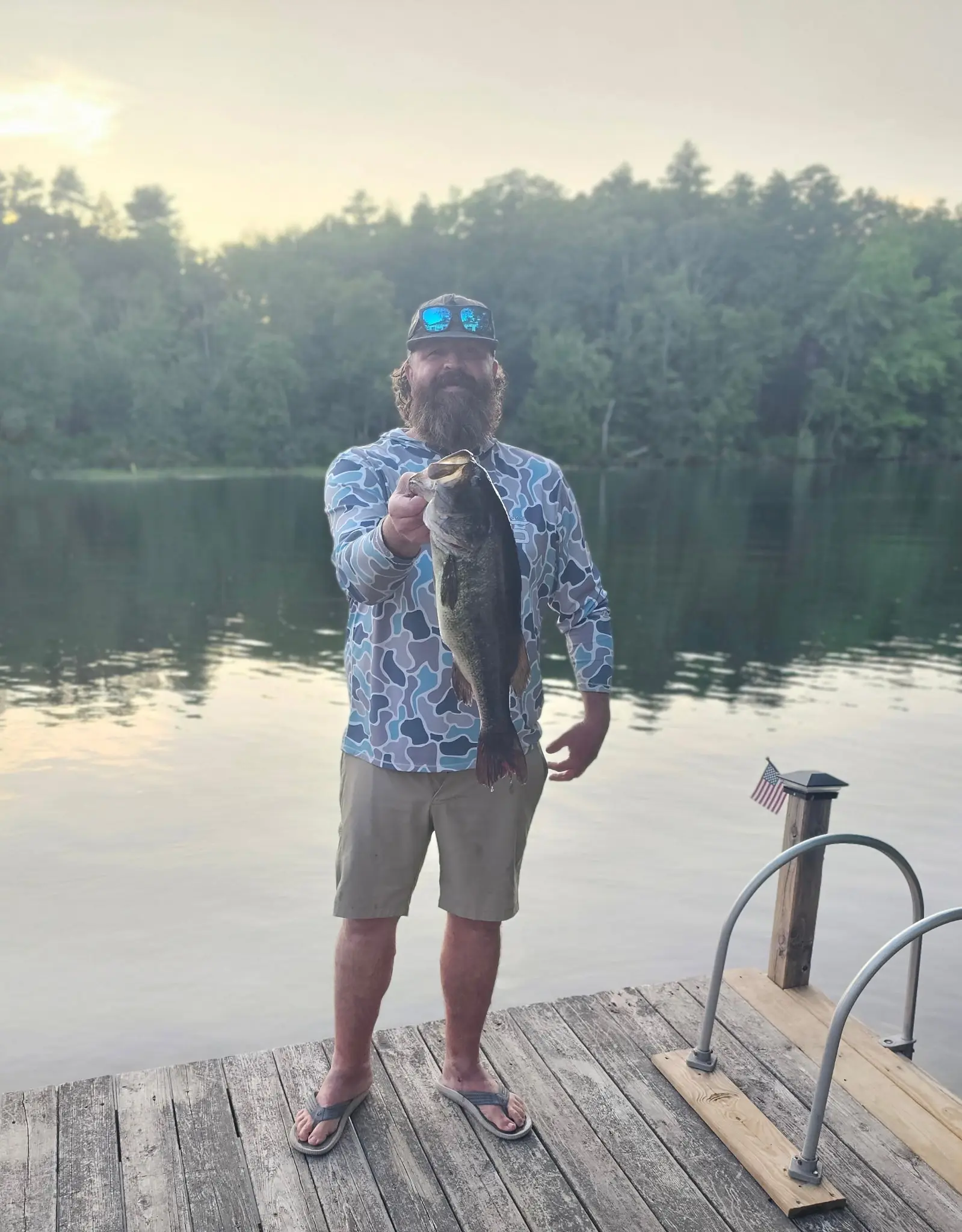
The toad feels like a faster presentation to me: cast, land, and start reeling. The hollow-body frog lets me work an area more deliberately. That control feels natural. One fish I still remember was a four-pound largemouth that exploded through a heavy lily-pad set. Then came the struggle to pull the bass and a load of weeds back to the boat before it threw the hook. That is the part of frog fishing that keeps me coming back.
I've lost plenty of fish on frogs, too. Dropping the rod tip and waiting through that excitement is still a struggle. My preference doesn't make the toad a bad bait; my family has given me plenty of evidence that it works. What I trust is my ability to present the hollow-body frog the way I want.
My father gave me an early reason to trust topwater, having us throw a Hula Popper in the early morning or as the sun went down. Let it land, wait, give it a couple of pops, and work it back slowly. Modern hollow-body popping frogs let me carry that kind of retrieve into pads and weeds where the old treble-hooked bait was difficult to fish. They also bring missed-hookup frustrations of their own. I still care about that familiar action, even when the lure delivering it changes.
The small hook that changed my mind
For a long time, a 5/0 Texas-rig hook was my comfort zone. The small exposed hook on a Neko rig made me wonder whether it could hold fish the way I was used to. I had to spend time with it and put fish in the boat before that doubt started to go away.
The day finesse fishing really clicked was a late-July tournament. The water was warm, the sky was bright and cloudless, and our usual presentations weren't getting the response we wanted. I gave the Neko rig a try. Within minutes, largemouth started biting. Before that, I had been much more comfortable slow-trolling a Senko or covering water with a spinnerbait. That day gave me a reason to keep a Neko rod ready.
I like how little has to change. A nail weight in the nose gives a familiar worm a different posture and movement. I can experiment with different soft plastics rather than starting over with an entirely new collection of baits. The adjustment was learning to trust that presentation, including the hook, long enough to understand it.
The VMC Crossover Rings and applicator also made that experimenting easier. I had used the familiar O-rings and aluminum tube, but switching between bait shapes and sizes could feel clunky. The VMC applicator spreads the ring so I can slide it onto the bait, and the ring has an opening for hook placement. Different ring sizes let me move between thicker stick baits and thinner worms. That's a small piece of gear, but it takes some of the fuss out of trying something new.

Using the rod and reel I can fish well
I've owned Bass Pro Shops Johnny Morris rod-and-reel combos for at least twenty years, keeping at least two or three at a time. The range of choices and prices has helped keep me with the line. One model I use is the Johnny Morris Platinum Signature spinning combo. Spinning tackle is a big part of how I fish, including some situations where other anglers would naturally reach for a baitcaster.
I haven't mastered a baitcaster the way the pros have. When I'm skipping a 4.25-inch Yamatanuki into heavy summer shade, I use a seven-foot medium-heavy spinning setup, heavy braid, and a higher-gear-ratio spinning reel. I'm putting that bait under brush and among dead limbs. The braid matters to me in that cover, and the spinning setup lets me make the presentation I'm trying to make.
The Yamatanuki earned that place during a hot, slow bass tournament. After a few practice skips, I started getting it into heavy brush along the shoreline and catching fish. The 4.25-inch size became a summer confidence bait for me. The 3.5 hasn't produced nearly as well, and my results in open water haven't matched what I've had skipping into heavy cover. I still have a pile of the 3.5s waiting for me to figure them out.
That distinction matters when I talk about gear. I can be enthusiastic about a bait and still have a fairly specific use for it. A rod that lets me put that bait where I want it has value beyond the name printed on it. So does being honest about the sizes and situations I haven't made work yet.
Rain gear has to work while I'm fishing
I've learned the same kind of lesson with clothing. In hot summer rain, I've worn heavy offshore-style waterproof gear that kept the rain out while I sweated horribly inside. It was too hot for the conditions. Staying comfortable enough to keep casting has become part of how I judge a rain jacket.
For a long time, a Columbia PFG rain jacket was a favorite because it was light and comfortable. Then sustained rain exposed its limit. The arms stayed dry, but the body material eventually soaked through and left my back wet. I liked wearing it, and I still had to recognize where it fell short. Heavy rain and long boat runs can make those shortcomings obvious quickly.
For summer lake fishing, I look for a balance of breathability, movement, packability, and enough weather protection for the conditions. Ventilation, stretch, and fabric that doesn't fight me while I cast matter. The AFTCO pieces I use are the Hydro Waterproof Fishing Jacket and Bib. I like the company's approach of offering different rain gear for different seasons. I don't expect one jacket to feel right for every day on the water.
Cold rain changes my priorities. In early spring and late fall, I want full waterproof protection and may want insulation, too. A little rain getting through on a brutally humid summer day can feel very different from getting wet in cold weather. The lesson I take from those jackets is to judge the whole experience: the rain outside, the heat inside, and how freely I can fish.

Leaving room for the next lesson
Crankbaits are a useful reminder that confidence doesn't develop evenly. In May 2026, I could still count on one hand the fish I'd caught on them. A half-ounce lipless bait in a red craw pattern was the one I trusted most. I understood why good fishermen used crankbaits, especially to reach fish deeper than I naturally wanted to fish, but I hadn't built that same trust myself.
I can recognize where a crankbait belongs and still need more time learning it. The fear of hanging treble hooks in cover, the questions about depth and retrieve speed, and the temptation to quit after a few casts all get in the way. Keeping those baits available gives me a chance to work on that gap.
That's where I want to leave room in my fishing. A smaller bag helps me stay with what I know, but the Neko rig reminds me how much I can gain by trying something unfamiliar. My gear choices keep changing as I learn what feels right, what falls short, and what deserves more time on the water. I want enough confidence to fish a presentation properly, and enough curiosity to give the next one a fair chance.