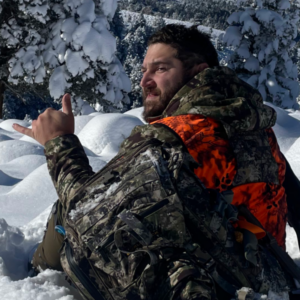
During our recent duck-hunting weekend in New Hampshire, we headed into a store in Bellows Falls for lunch. It was pretty obvious we’d been hunting.
A group of women coming out had chicken and beef products in their hands. They made a comment about people who hunt being foolish and barbaric. I’m paraphrasing, but that was the message.
I asked about the animal products they were holding and offered to talk about it. Nobody took me up on it. There was some huffing and puffing, and they walked away.
What bothered me was how much that one word, hunter, seemed to say about us before we’d had a conversation.
I recognize that picture of a hunter. I used to carry around a version of it myself. And the part it leaves out is probably the biggest change hunting has made in my life.
I care more about animals now than I did before I hunted.
I know how that sounds to someone who sees hunting mainly as killing. But I mean it, and I can explain how it happened.
I didn’t grow up hunting. I got into it after 30. On my first hunting trip in Jackman, Maine, I had a pretty naive assumption that being human gave me the upper hand. We’re smarter. How hard could this be?
I had trouble even finding an animal.
That got my attention. These animals were far more complicated, capable and interesting than I’d given them credit for. I had a lot to learn.
Honestly, I started learning because I wanted to get better at hunting. I wanted to understand the animals well enough to find them. The broader interest came later.
But the more I learned, the more interested I became in them as creatures. That led to other animals, their habitats, how they interact, and all the things happening around me that I hadn’t paid much attention to.
Then I wanted to understand conservation. The work of state and federal wildlife biologists. Why bag limits exist. Why animals are managed in different units. The thinking behind decisions about deer populations and doe harvests.
Those became subjects I wanted to understand, rather than rules I just needed to look up. Hunting gave me a reason to dig into a whole world of animals, land and management.
And that interest doesn’t switch off when the hunt ends.
I notice birds chirping. I go looking for deer in places like cemeteries because I know they spend time there and I want to watch them. Every body of water I pass gets a look for ducks. If they’re there, I try to figure out which species I’m seeing.
I’m not hunting in those moments. I’m interested.
The animals have become a much bigger part of my everyday life. I know more about them. I pay more attention. I care more about what happens to them and the places they live.
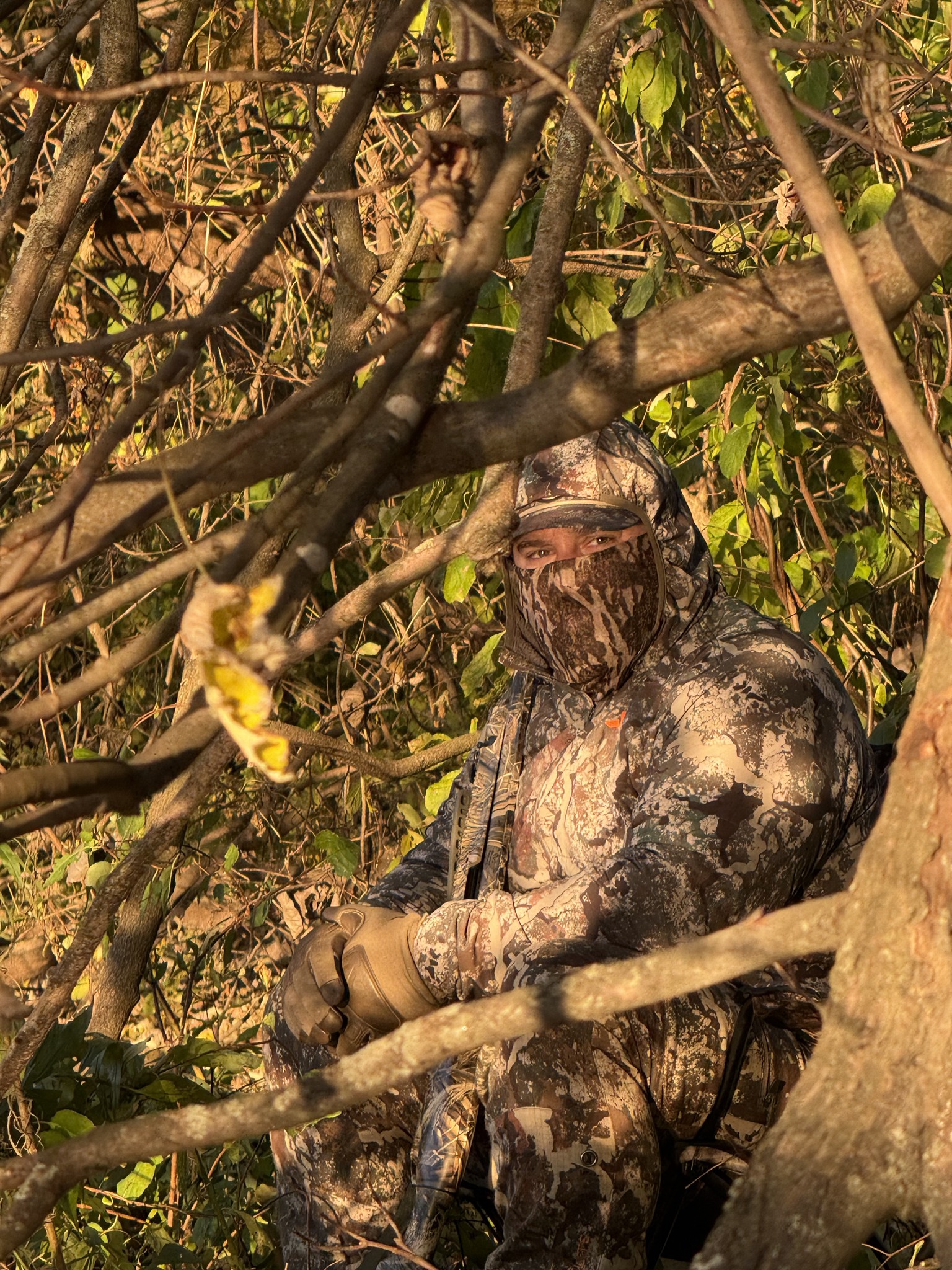
That’s the change I can speak to. I don’t need to claim I care more than a stranger to know I care more than I used to.
I don’t need to claim I care more than a stranger to know I care more than I used to.
Of course, that still leaves the question: how do you care about an animal and choose to kill it?
For me, part of the answer is food. Before I hunted, I ate meat while keeping myself removed from what made that possible. I could have assumptions about hunters while someone else handled the killing behind my own meals. Looking back, I felt like a hypocrite.
Hunting made my participation harder to ignore.
If an animal dies for something I’m going to eat, paying somebody else to do the killing doesn’t remove me from that decision. It gives me distance from it.
That doesn’t settle every argument about hunting. You can eat meat and have legitimate objections to particular hunting practices. I have objections to parts of hunting culture myself. When the kill or the trophy becomes the whole point, I have a hard time relating to it.
But buying meat doesn’t, by itself, put someone outside the conversation about killing animals. And hunting doesn’t, by itself, tell you how much someone cares about them.
I believe in conservation and responsible wildlife management. I also value the directness of hunting. It’s primal and visceral. I’m participating in something I used to experience almost entirely from the receiving end.
I like being a provider. I like sharing meat, cooking for people and introducing them to that part of my life. That matters to me. When I bring meat home, I can prepare and share it knowing how it got there.
And even with all of that, taking an animal is only part of why I keep going.
I’ve been unsuccessful far more often than successful, if we’re measuring success by whether I brought something home.
I still want those trips. The people, the break from everyday life, the adventure, figuring things out. All of it. An animal is a bonus on top of an experience I already wanted to have.
Of course I want to be successful when I hunt. But if the kill were the only thing keeping me interested, most of my trips would have given me very little reason to return.
But if the kill were the only thing keeping me interested, most of my trips would have given me very little reason to return.
I think a lot of hunters would recognize what I’m describing. I also know that being a hunter doesn’t make all of us the same person.
That’s what I wish we’d had a chance to talk about in Bellows Falls.
I don’t think everyone should hunt. I don’t think everyone should even want to. You can understand why it matters to me and still decide it’s something you would never do.
But I’d like people to stop painting everyone who hunts as some bloodthirsty asshole who just wants to kill things.
Hunting has made me more curious about animals, more connected to the world around me and more conscious of the food I eat. You don’t have to agree with my choice to take that seriously.
You could start by asking me about it.
RELATED READING