
Garmin InReach Messenger+
A compact satellite communicator for solo hunters and remote travelers who care more about reliable connection and peace of mind than onboard mapping.
 Matt Anderson
The Garmin inReach Messenger+ delivers confidence with zero drama.
The Garmin inReach Messenger+ replaced the author’s older Garmin inReach Explorer+ after years of dealing with slower hardware and a clunkier app experience. In remote Idaho, it delivered consistent messaging, stronger satellite lock, excellent battery life, and a much cleaner app experience. It is not the right choice for someone who wants a standalone GPS, but for reliable communication in no-service country, it did exactly what it needed to do.
What works. What doesn’t.
A clear look at where this gear earns its place and where the tradeoffs begin.
Pros
- Consistent messaging in remote terrain
- Stronger satellite lock than the author’s older inReach units
- Modern, intuitive Garmin Messenger app
- Excellent battery life over a six-day trip
- Compact enough to live on a pack
- Photo messaging via satellite adds real value for staying in touch back home
- Reduces mental overhead in no-service country
Tradeoffs
- Not built for standalone GPS use
- No onboard mapping focus
- Small screen may give some users pause at first
- Works best as a phone companion
- Attachment setup is not immediately obvious
- Pocket carry can lead to signal reacquisition delays
The field story
The conditions, decisions, and repeated use behind the conclusion.
Small on Purpose
The Garmin inReach Messenger+ entered the kit because the author needed more confidence than his older Garmin inReach Explorer+ was giving him. The older unit still worked, but the slower interface, friction-heavy app, and dated experience never fully inspired trust.
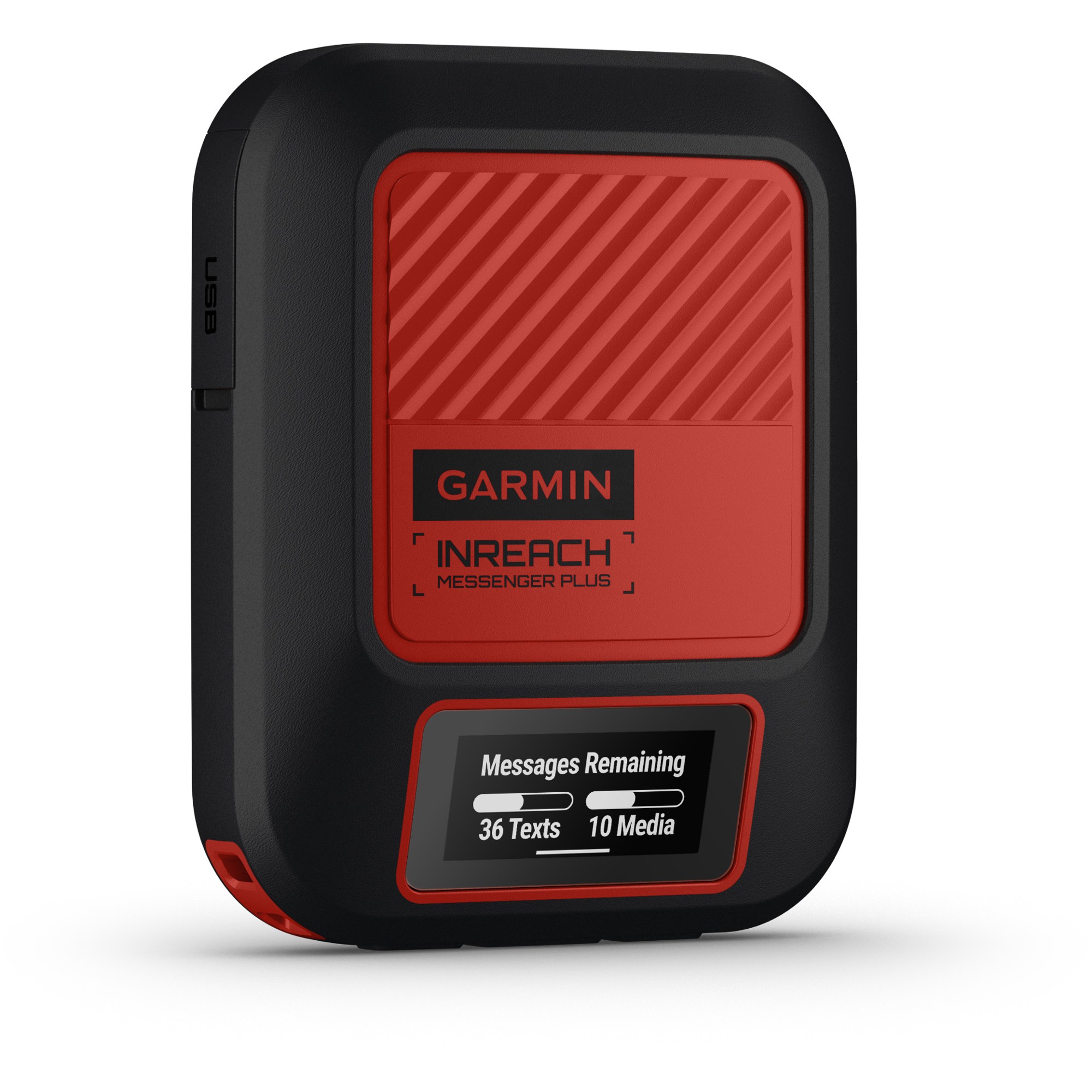
The Messenger+ felt different right away. It is compact, clearly meant to work as a phone companion, and small enough to live on a pack without getting in the way. The lack of a large screen caused some hesitation at first, but the “just enough” display proved to be the right tradeoff for a device whose main job is reliable communication.
It Earned Trust by Staying Simple
The Messenger+ stays in the kit because it removed problems instead of creating new ones. In remote Idaho, messages went through consistently, satellite lock felt stronger than older inReach units, and the app finally felt like modern technology instead of something to tolerate.
The battery life mattered just as much. On a six-day trip, the author charged it once only because he could, not because he had to. That kind of reliability changes how much attention a piece of gear demands. Less checking. Less managing. Less wondering if the people back home heard from you.
For remote hunts and solo trips, that is the point. The best version of this device is one you barely think about until you need it.
The alternatives and the tradeoff
The most direct alternatives are the Garmin inReach Mini series, ZOLEO Satellite Communicator, and ACR Bivy Stick. The inReach Mini makes more sense if you want more standalone functionality directly on the device, while the Messenger+ is a better fit if you mainly want a compact phone companion built around messaging and battery life.
ZOLEO and the Bivy Stick both cover the core satellite communication job well and can make sense for buyers who want a simpler or more budget-conscious setup. I would still choose the Messenger+ for remote hunting because the combination of reliable messaging, strong satellite performance, long battery life, photo capability, and a much better app experience makes it feel like the more complete communication tool.
Performance metrics
The author reported consistent messaging in remote Idaho, with no guessing whether a text actually sent.
The Messenger+ held signal noticeably better than the author’s older inReach units.
The Garmin Messenger app felt faster, cleaner, more intuitive, and less friction-heavy than the older Garmin ecosystems the author had used.
On a six-day trip, the author charged the device once only because he had the chance, not because the battery required it.
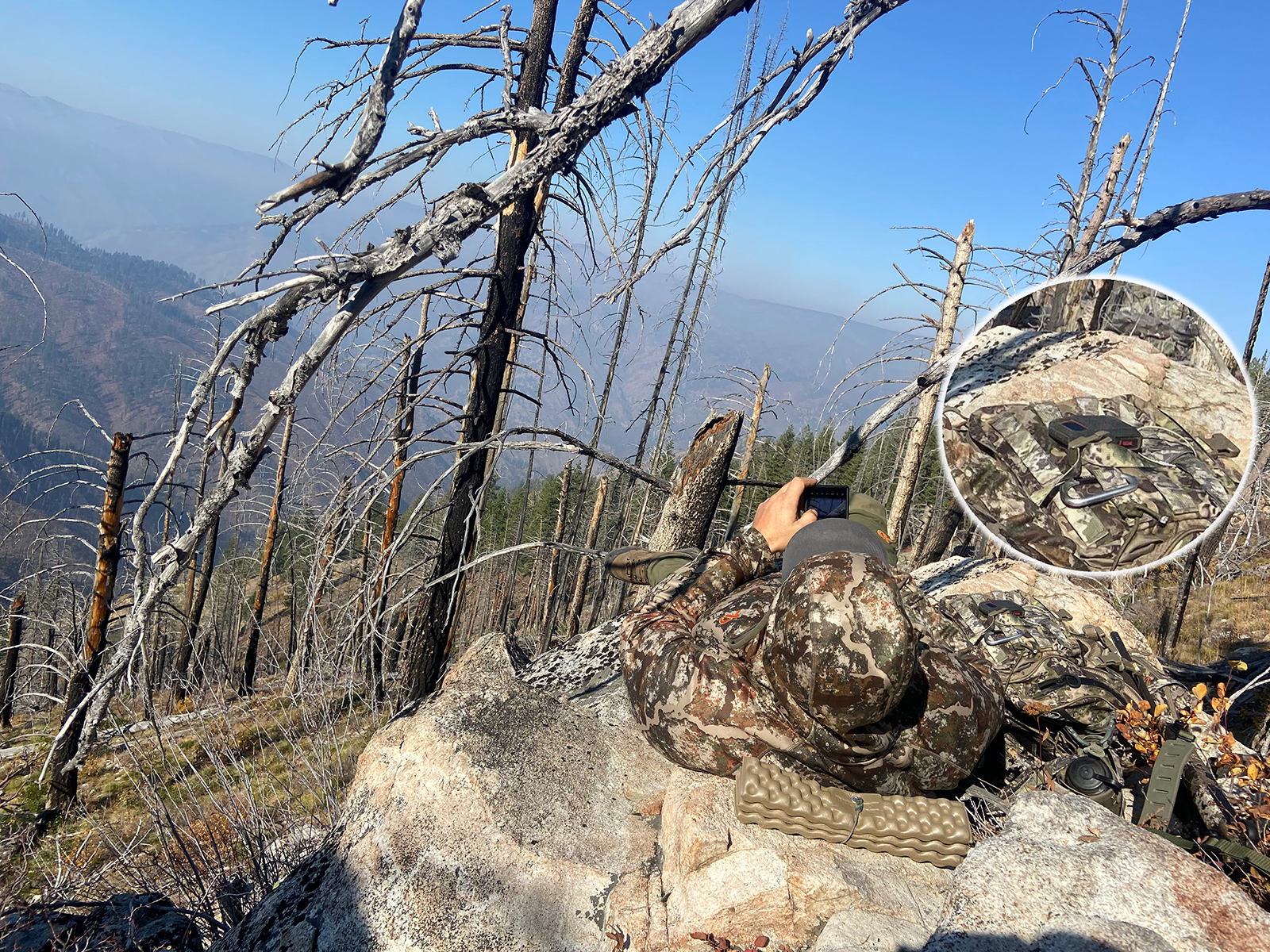
A tight silicone case and wire keychain cable attached to a MOLLE strap kept the device oriented toward the sky and reduced signal reacquisition concerns compared with pocket carry.
Key takeaways
Phone Companion, Not Standalone GPS
The small screen makes more sense once the device is treated as a pack-mounted satellite communicator that works alongside a phone, not as a full navigation unit.
Remote Country Exposes Communication Gear
In remote Idaho, the Messenger+ stood out because messages sent consistently and the device held satellite lock better than the author’s older inReach units.
Battery Life Removes Mental Overhead
On a six-day trip, the author only charged it once because the opportunity was there, not because the device needed it.
Peace of Mind Goes Both Ways
The device mattered not just for the person in the field, but for the people waiting back home.
Confidence With Zero Drama
The Garmin inReach Messenger+ earned its place because it made remote communication feel simple again. In the kind of country where no service is the baseline, not the exception, that kind of quiet reliability matters more than a bigger screen or extra features.
FAQ
Is the Garmin inReach Messenger+ good for solo hunting?
Based on the author’s experience, yes. It was purchased specifically for solo hunts and remote trips where no cell service is expected, and it delivered reliable communication in remote Idaho.
Does the Garmin inReach Messenger+ replace a standalone GPS?
No. The author specifically notes that it is not for people looking for a standalone GPS with a keyboard or onboard mapping.
How was the battery life in the field?
Battery life was excellent in the author’s use. On a six-day trip, he charged it once only because he had the opportunity, not because it needed it.
Is the small screen a problem?
The small screen gave the author pause at first, but that concern faded. The display handled basic tasks while keeping the device compact enough to live unobtrusively on a pack.
How should the Garmin inReach Messenger+ be carried?
The author preferred a tight-fitting silicone case with a wire keychain cable attached to a MOLLE strap on his pack, keeping the device oriented toward the sky.
Does pocket carry work?
Pocket carry works, but the author found it could introduce delays when the device needed to reacquire signal.
What stood out most compared with older Garmin units?
The author noticed more consistent messaging, stronger satellite lock, a better app experience, and less overall friction than with his older Garmin inReach devices.
KEEP EXPLORING