
The North Face One Bag Deep Dive (Field Tested)
A modular sleeping bag that earned its place by solving one simple problem: unpredictable weather.
 Matt Anderson
I bought this bag because I had no idea what Idaho was going to throw at me. I kept it because it simply works.
The North Face One Bag is built for people who camp across changing conditions and do not want to own three different sleeping bags. After using it in Idaho, Maine, truck camping setups, and freezing mornings, the biggest compliment I can give it is simple: when the forecast looks uncertain and I am camping near the truck, I do not think much about my sleeping bag anymore. I just grab the One Bag.
What works. What doesn’t.
A clear look at where this gear earns its place and where the tradeoffs begin.
Pros
- Legitimately adaptable across a wide range of temperatures
- One bag can realistically replace multiple casual camping setups
- Warm enough that I woke up comfortable in single-digit conditions
- More spacious than expected for a mummy bag
- Excellent value if you do not already own several specialized bags
Tradeoffs
- Bulky compared to dedicated backpacking setups
- Multiple zippers and layers take a little practice
- Not ideal when pack space matters
- Overkill for warm summer camping
The field story
The conditions, decisions, and repeated use behind the conclusion.
Where The North Face One Bag Fits In Your Gear System
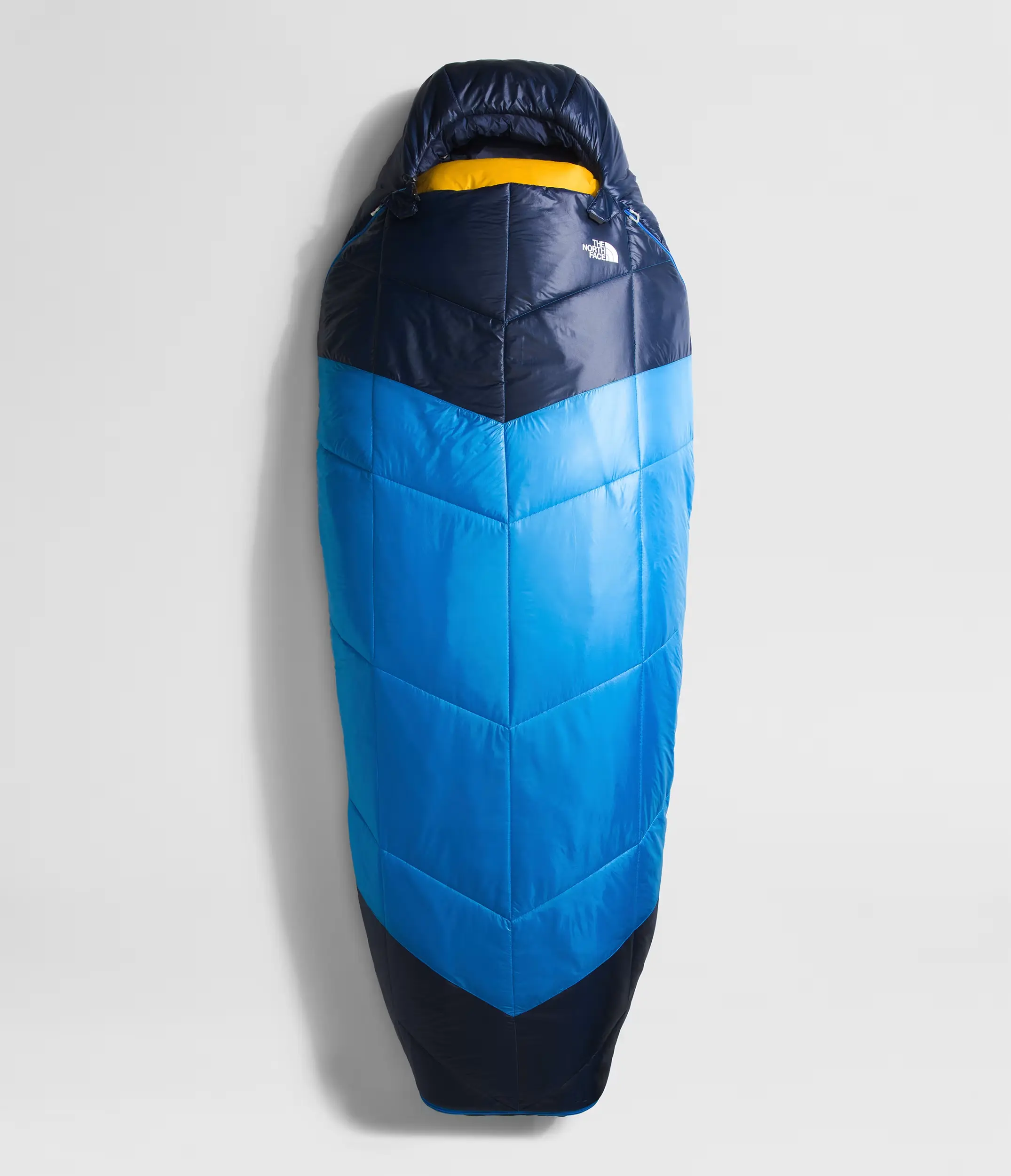
I would put this somewhere between a dedicated backpacking bag and a full truck-camping sleep setup.
The One Bag is not for an ultralight backpacker.
It is also not for someone with three dialed sleep systems already hanging in a gear room.
If you already own purpose-built bags for every scenario, this probably solves a problem you no longer have.
But if you are still building your gear system, or if you just want one sleeping bag that can realistically cover a huge range of use cases, this starts making a lot of sense.
When I Leave It Home
Mid-summer.
Long backpacking trips.
Any situation where space and weight become a priority.
When I Reach For It
I reach for the One Bag when temperatures drop below roughly 60 degrees and I am not hiking deep into camp.
Truck camping.
Hunting camps.
Unpredictable forecasts.
Trips where weather could go sideways.
It is one less thing to think about.
The Tradeoff
The zipper system is not hard.
But I would absolutely recommend learning it before you actually need it.
Throw it on your bed at home.
Zip and unzip the layers.
Figure out what connects where.
Once you understand the setup, it becomes easy.
Going in cold at camp after dark while trying to figure out multiple zippers for the first time sounds a lot less fun.
The other tradeoff is bulk.
There is really no getting around it.
A layered system simply takes up more room.
Packed size is noticeably larger than most dedicated backpacking sleeping bags, especially once everything is compressed into the stuff sack.
I have never cared because I have mainly used this for truck camping, hunting camps, and trips where I am setting up near camp.
If I had to hike several miles with all my gear, I would think differently.
Versatility: Idaho Was Probably the Perfect Test
Idaho was probably the perfect test.
During a five-day hunt, overnight temps bounced between roughly 25 degrees and around 50.
That kind of swing is exactly why this system exists.
Instead of crossing your fingers and hoping your sleeping bag choice works, you can actually adjust things.
I have also used it in my truck tent, camping in Maine, and sleeping in the bed of my truck on an Uncle Elk air mattress.
Different setups. Different temperatures.
Same bag.
The First Mummy-Style Bag I Didn’t Hate
This was also my first mummy-style bag.
I expected to hate it.
I am a bigger guy and figured I would feel trapped immediately.
That never really happened.
There was still enough room to move around without feeling like I got vacuum sealed into nylon.
If you hate restrictive sleeping bags, I think this is worth mentioning.
Performance metrics
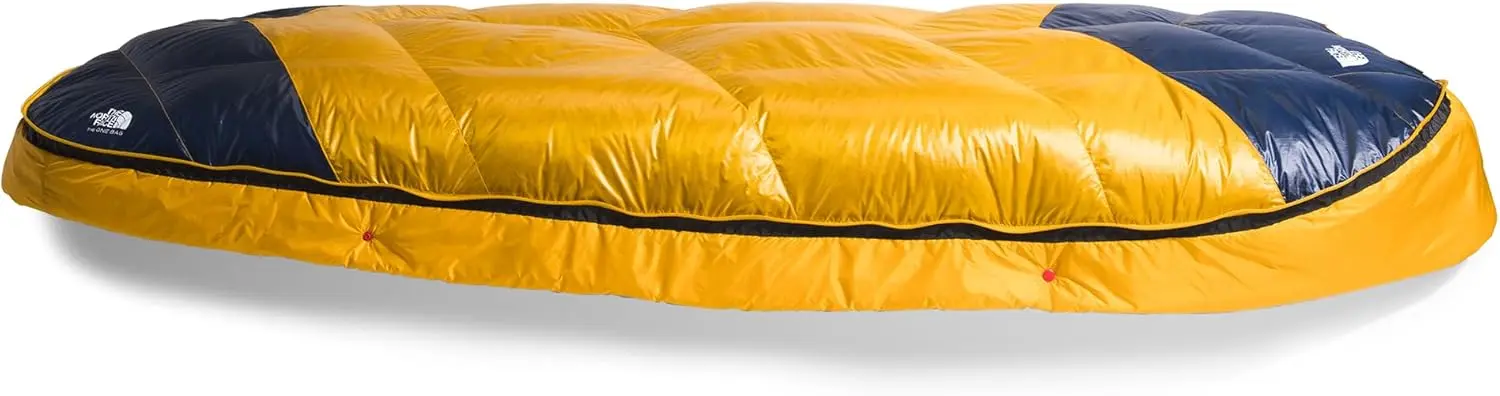
The full 5-degree configuration kept the author warm in a northern Maine truck tent setup around 10 degrees while wearing merino base layers.
The layered system adds flexibility across changing temperatures, but the zipper setup should be learned at home before relying on it in camp.
Despite being the author’s first mummy-style bag and expecting it to feel restrictive, it had enough room to avoid feeling trapped.
The value is strongest for someone still building a sleep system who wants one adaptable bag instead of multiple dedicated bags.
Bulk is the biggest limitation. The system makes more sense near a vehicle or established camp than several miles into the backcountry.
Key takeaways
Built for Weather Swings
This bag makes the most sense when the forecast is uncertain and temperature swings are part of the trip.
Better Near the Truck
The bulk matters a lot less when camp is close to the vehicle.
Learn the Zippers First
The modular system is not hard, but figuring it out for the first time in camp after dark is the wrong move.
Not an Ultralight Solution
For long backpacking trips where space and weight matter, a dedicated lightweight bag makes more sense.
One Less Decision
The biggest win is simplicity. When conditions are bouncing around, the One Bag removes one more thing to overthink.
One Less Thing To Worry About
I bought this bag because I had no idea what Idaho was going to throw at me. I kept it because it simply works. It is bulky, and it asks you to learn the system, but if you camp close to your vehicle and deal with changing weather, the utility is hard to beat.
FAQ
Is The North Face One Bag good for backpacking?
It can work for casual backpacking, but I would not buy it specifically for that purpose. The layered design adds bulk and weight. If pack space and ounces matter, there are better dedicated options.
How warm is The North Face One Bag?
I used the full 5-degree configuration in northern Maine and woke up comfortable in roughly 10-degree conditions while wearing merino base layers.
Is The North Face One Bag worth it?
If you camp across a wide range of conditions and do not already own multiple sleep systems, I think so. The versatility is the biggest selling point.
How bulky is The North Face One Bag?
It is noticeably larger than lightweight sleeping bags because of the layered system. I never cared during truck camping or hunting trips, but backpackers probably will.
Can one sleeping bag replace multiple sleeping bags?
For a lot of people, yes. That is honestly the appeal here. If your trips range from cool summer nights to shoulder season camping, one adaptable system can cover a lot of ground.
KEEP EXPLORING